
Looking for a butt fusion welder factory in Ecuador can feel overwhelming if you’re new to pipeline projects in the Andes, the coastal plains, or the Amazon basin. This guide shows where to look, what to check, and how local conditions and industries shape the choice of welding equipment.
Where to Start: Regions and Industrial Hubs
Quito and Guayaquil are top starting points: Quito serves contractors working in highland water and sanitation projects, while Guayaquil is the main seaport and logistics hub for importing heavy equipment. Cuenca and the southern provinces support municipal pipeline upgrades and small-scale mining operations. Consider the project terrain — steep Andean slopes require portable, reliable machines, while coastal and Amazon projects often favor rugged hydraulic systems that handle humidity and uneven ground.
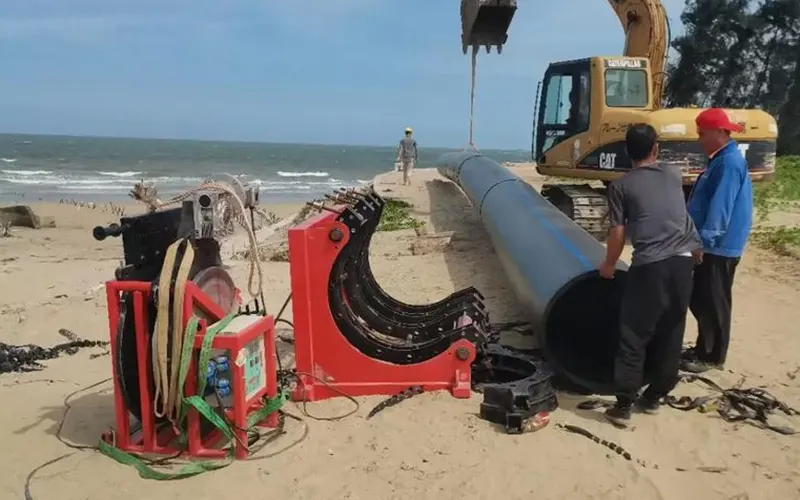
Local Suppliers vs. Direct Factory Sourcing
You can find local distributors that stock butt fusion welders, or you can import directly from overseas manufacturers. Local dealers offer faster spare-part support and on-site training, which helps field crews in Ecuador gain confidence quickly. Direct factory sourcing is cost-effective for large projects but requires planning for shipping through ports like Guayaquil and for customs clearance.
Quick Reference: Machine Types and Typical Uses
| Machine Type | Pipe Range | Best For |
|---|---|---|
| Manual Butt Fusion | Small–Medium (≤315mm) | Rural water lines, simple repairs |
| Hydraulic Butt Fusion | Medium–Large (315–1600mm) | Municipal networks, gas distribution |
| CNC/Automatic Machines | Large & Precision (≥500mm) | High-volume construction, industrial pipelines |
Certifications and Standards to Check
Ecuadorian contractors typically prefer equipment compliant with recognized international standards. Ask suppliers about manufacturing quality control, welding process validation, and whether the machine documentation aligns with international standards and local regulations. Machines that include clear traceability and calibration records reduce risk during municipal or regulated projects.
Logistics: Shipping, Customs, and Local Support
If importing, plan shipments via Guayaquil or Esmeraldas. Ensure spare parts and heating elements are available locally or can be shipped quickly. For inland or highland projects, prioritize portable frames and modular systems that can be moved in 4×4 vehicles. Local service partners and technician training are essential — look for distributors that offer workshops or field certification for Ecuadorian crews.
Choosing Based on Local Industry Needs
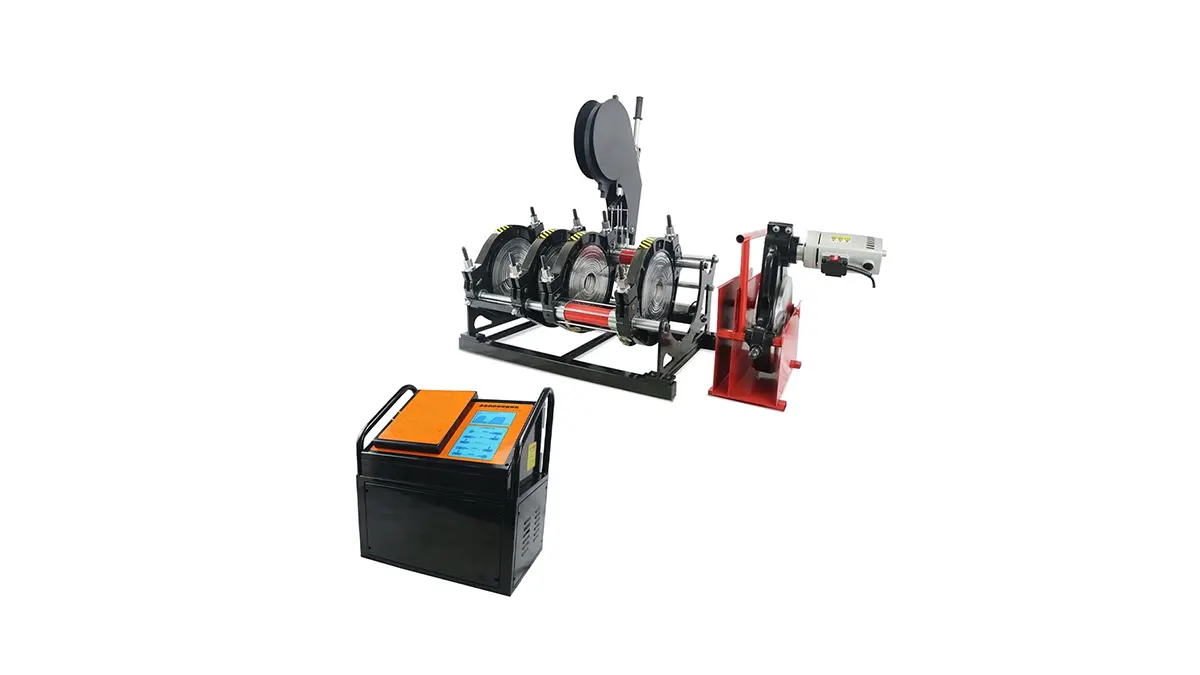
Ecuador’s key sectors that use butt fusion technology include municipal water supply, gas distribution, and mining. For small towns and remote communities, portable manual machines work well. For urban infrastructure and industrial projects, hydraulic or automatic machines deliver speed and repeatable weld quality. In mining projects, prioritize corrosion-resistant components and easy maintenance in dusty or humid environments.
After-Sales, Training & Warranty
Verify warranty terms, availability of consumables, and whether field training is offered in Spanish. Local-language manuals and onsite guidance shorten ramp-up time and reduce welding errors. Many successful projects combine an initial factory-based commissioning with local follow-up support to ensure weld records and quality control protocols are followed.
A Practical Next Step
If you want a reliable manufacturer with a broad product range and global experience, consider contacting JQ-Fusion for model recommendations and export details: https://jq-fusionwelding.com/



