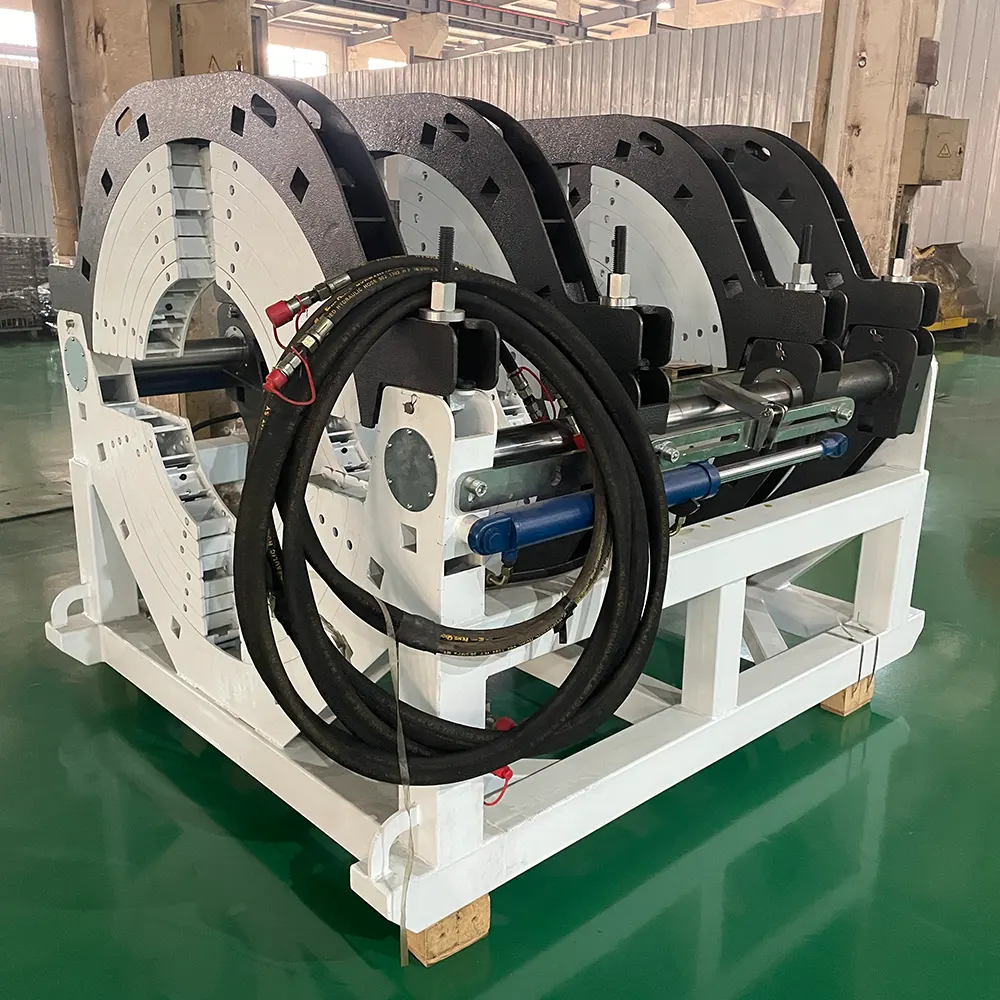
Buying a reliable butt fusion machine for HDPE pipe welding in Thailand requires more than comparing prices. Contractors, municipal procurement teams, and irrigation specialists need equipment that performs in tropical climates, meets local regulations, and is supported with fast spare parts and training. This guide helps you choose the best butt fusion machine factory and supplier for your next Thailand project.
Why the Right Butt Fusion Supplier Matters in Thailand
Thailand’s infrastructure programs—from urban water mains in Bangkok to irrigation networks in the Central Plains and mining or industrial pipelines in the north and northeast—demand robust welding solutions. Seasonal heavy rains, high humidity, and remote job sites increase the risk of downtime. Selecting a supplier who understands these conditions reduces project delays and long-term maintenance costs.
Local project types and operator profiles
Typical applications include municipal water distribution, agricultural irrigation systems, stormwater drainage, gas distribution for industrial parks, and mining pipelines. Many onsite operators in Thailand have practical field experience but may require vendor-led training for advanced hydraulic or CNC butt fusion systems.

Top 7 Criteria to Evaluate a Butt Fusion Machine Factory
Use this checklist when shortlisting factories and suppliers. Ask for documentation and examples for each point below.
- Experience & portfolio — Years in manufacturing and examples of completed HDPE projects in Southeast Asia.
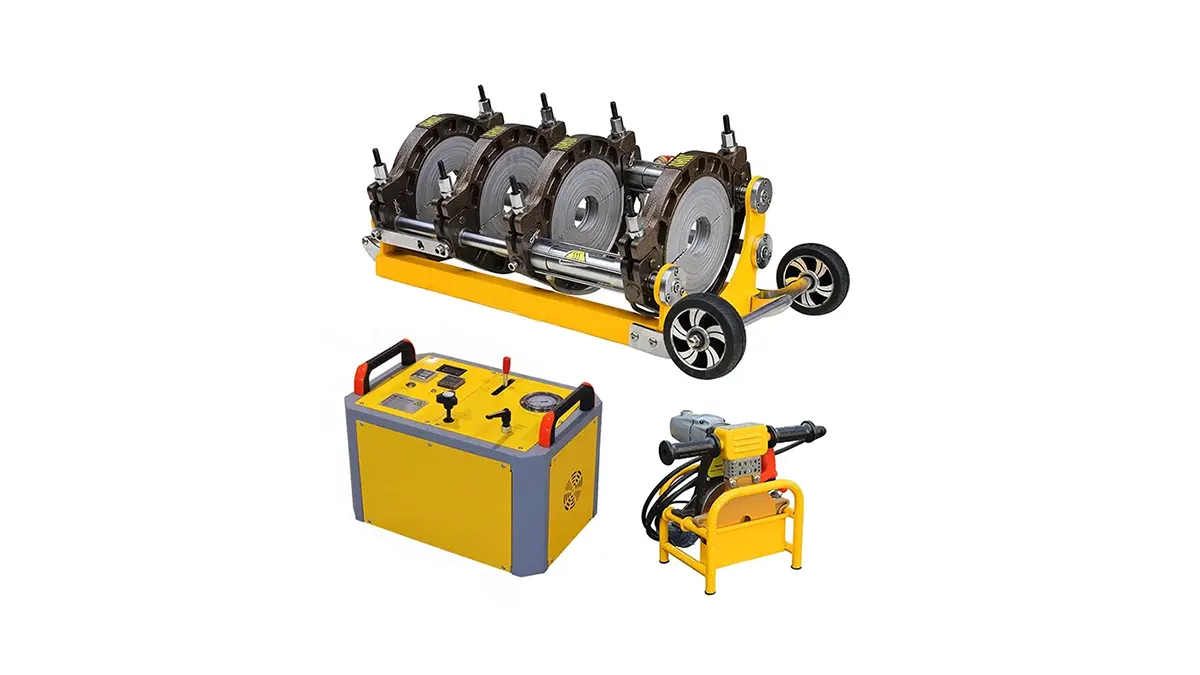
- Machine range & compatibility — Availability of manual, hydraulic, and CNC automatic models across the pipe diameters you need.
- Build quality & materials — Durable frames, corrosion-resistant components and reliable hydraulic systems suited to humid environments.
- Certifications & test reports — ISO, CE and welding procedure test records or third-party joint strength tests.
- Spare parts & lead time — Local stock, guaranteed delivery time and clear spare parts pricing.
- After-sales service & training — On-site commissioning, operator training in Thai/English and diagnostic support.
- Total cost of ownership — Warranty, expected maintenance, fuel/electric consumption and resale value.
Quick technical comparison
| Machine Type | Diameter Range | Best For | Key Advantage |
|---|---|---|---|
| Manual | 16mm–250mm | Small contractors, remote repairs | Low cost, portable |
| Hydraulic | 63mm–1600mm+ | Municipal and industrial projects | High force, repeatable joints |
| CNC Automatic | 110mm–2000mm+ | Large diameter, long runs | Precision control, data logging |
Logistics, compliance and site-readiness in Thailand
When importing machines into Thailand, factor in customs clearance, VAT, and local certification requirements. Confirm the supplier’s packaging meets export standards and that the machine’s electrical specs (typically 220V, 50Hz) match local power. Ask whether multilingual manuals or Thai-language training are available—this saves time and reduces errors on the job site.
Key questions to ask a potential factory or supplier
Before signing a PO, verify the following:
- Can you provide references and photos from projects in Thailand or neighboring countries?
- What warranty terms and response times for on-site service are offered?
- Are spare parts stocked regionally and how quickly can they be shipped?
- Do you provide factory acceptance testing (FAT), export documentation and operator training?
- Can machines be customized for specific pipe fittings or local work practices?
Procurement checklist for project managers
Use this short checklist during procurement: request machine datasheets and welding reports, confirm lead time, secure service contracts, include a spare parts kit, plan for training dates, and specify acceptance tests in the contract.
Supplier Spotlight: JQ-Fusion is a professional manufacturer specializing in HDPE pipe welding machines, offering manual, hydraulic, and CNC automatic butt fusion solutions that cover a wide range of diameters and applications worldwide.