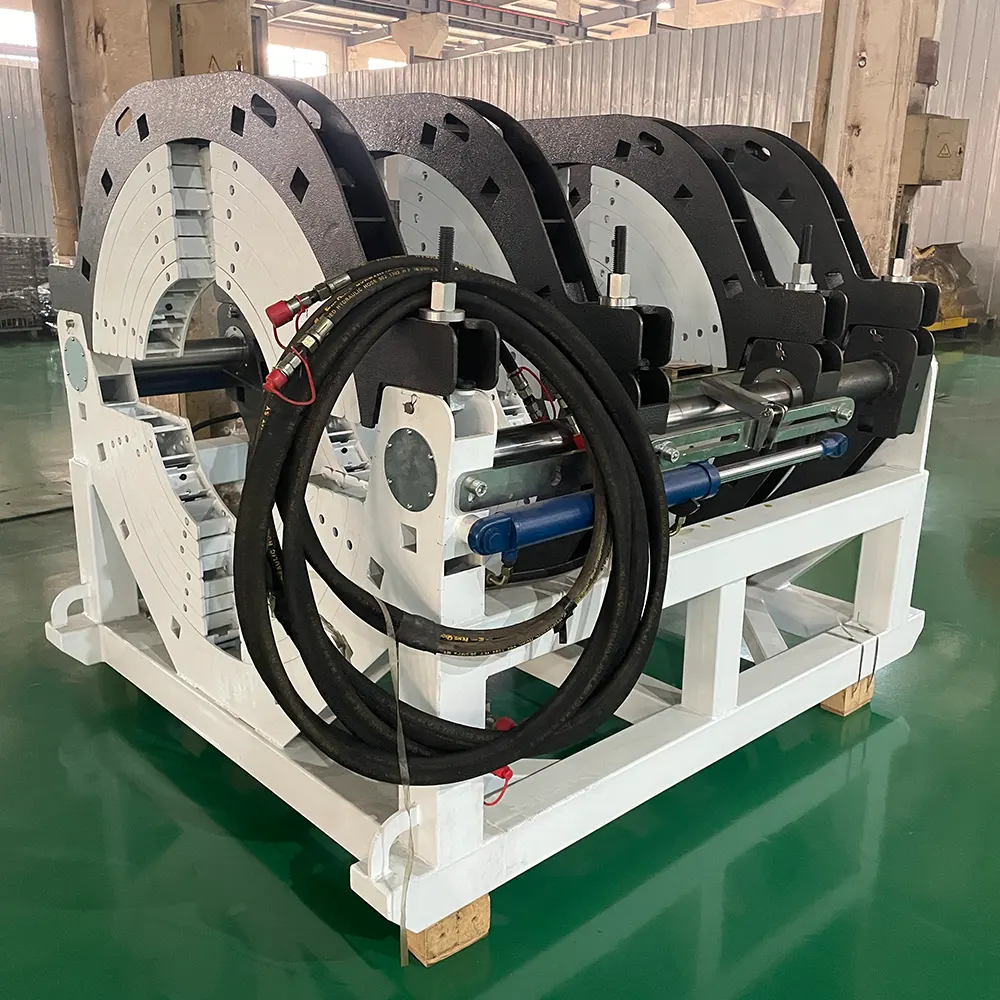
Choosing the right butt fusion machine for a pipeline project in Uganda means balancing project scale, site conditions, local workforce skills, and budget. This guide helps contractors, municipal teams, and rural water providers identify the best equipment for reliable HDPE fusion under Ugandan conditions.
Understand Your Project Needs
Start by defining the scope: are you laying small-diameter distribution lines for rural water schemes, medium-diameter mains in urban areas like Kampala, or large-diameter conduits for industrial or oil-field projects? Uganda’s projects often require machines that handle dusty, humid environments and rough roads, so portability and durability matter.
Key questions to answer
- Pipe diameter range: which DN sizes will you weld most often?
- Worksite access: can heavy equipment reach the trench, or do you need compact, portable machines?
- Power availability: is grid power stable or will you rely on generators?
- Operator skill level: are welders experienced with automatic control systems or better suited to manual/hydraulic units?
Machine Types & When to Choose Each
There are three main categories suitable for Uganda’s typical pipeline projects:
Manual / Portable Units
Best for small rural water and irrigation projects. These machines are lightweight, easy to transport on poor roads, and simple to maintain. Ideal where budgets are tight and welders are trained for manual jointing.
Hydraulic Semi-Automatic Units
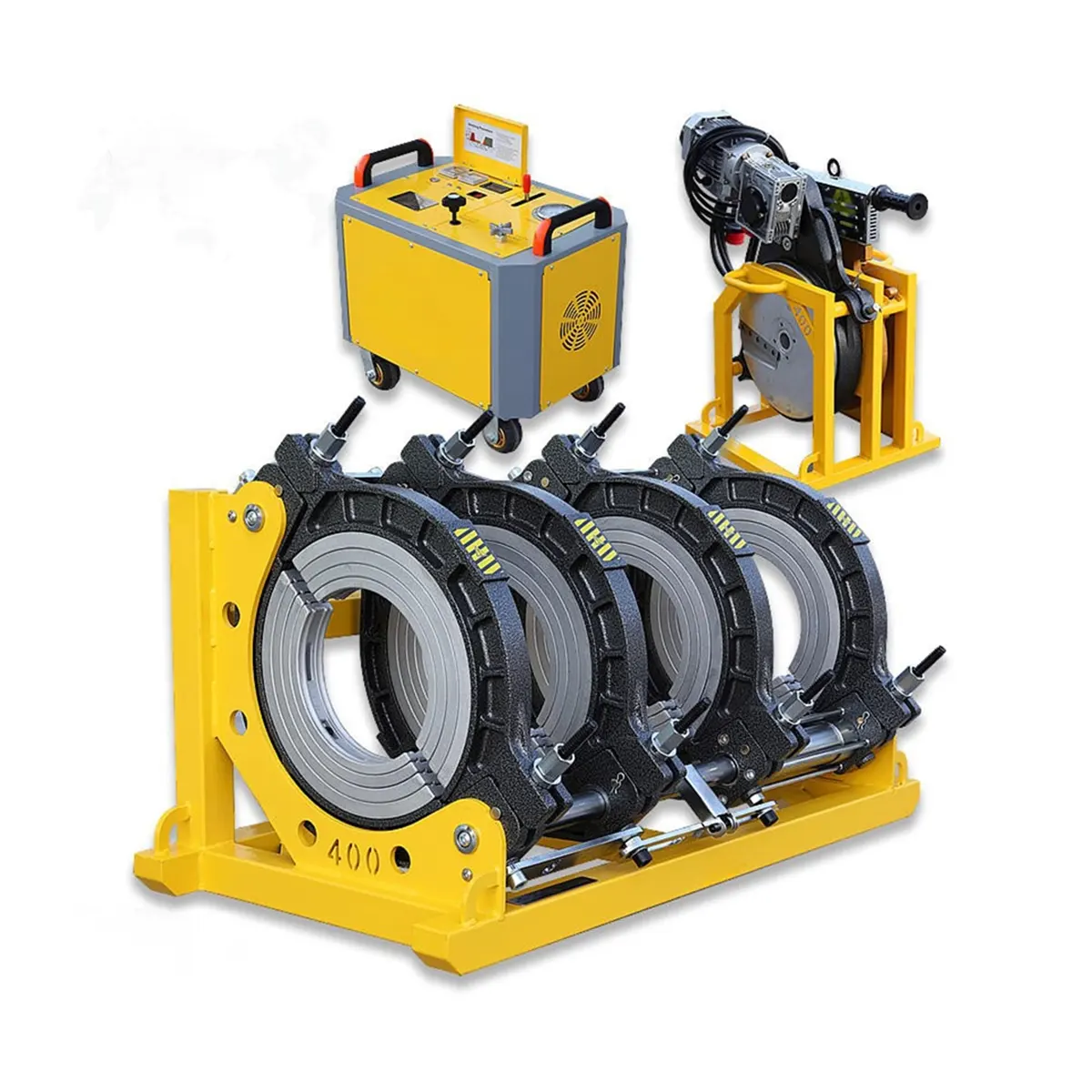
Great for municipal networks and medium-scale projects. They provide consistent clamp force and faster cycle times while remaining relatively portable. Commonly used for DN160–DN800 lines in urban distribution and irrigation schemes.

Automatic / CNC Butt Fusion Machines
Recommended for large-diameter, high-precision projects such as industrial pipelines or long trunk mains. These machines reduce operator variability and store welding programs for repeatable results, but they require more stable power and higher initial investment.
Selection Checklist for Uganda
Use this checklist to match a machine to your site realities and project goals:
- Diameter compatibility: confirm the machine covers your primary DN range.
- Mobility: trailers and foldable frames help on narrow or rough rural roads.
- Power flexibility: choose equipment that runs reliably from generators if grid power is intermittent.
- Spare parts & service: prioritize vendors with documented spare parts supply and remote support.
- Training & certification: ensure operators receive fusion training and welding procedures meet international standards.
Compare Machine Types (Quick Reference)
| Machine Type | Best For | Common DN Range |
|---|---|---|
| Manual / Portable | Rural water, irrigation, small repairs | DN20–DN160 |
| Hydraulic Semi-Automatic | Urban mains, contractor fleets | DN63–DN1000 |
| Automatic / CNC | Large projects, high throughput, precision | DN160–DN2000+ |
Durability, Service & Local Considerations
Uganda’s climate (hot, occasionally humid and rainy) and sometimes remote worksites require machines with corrosion-resistant finishes and sealed electrical components. Consider:
- Rugged frames and protective covers for heaters and controls.
- Availability of replacement heater plates, clamps, and hydraulic seals within East Africa or through reliable international shipping.
- Supplier-provided operator training and clear welding procedure documentation to ensure quality welds and long-lasting pipelines.
Safety & Standards
Follow accepted fusion procedures and testing (visual, peel, or non-destructive tests where applicable) to meet municipal and donor-funded project specifications. Machines with digital record-keeping simplify quality assurance for large-scale contracts.
Budgeting Tips
Balance upfront cost with lifecycle value: a cheaper manual unit may save money initially but increase labor and rework risk on large projects. For contractors working across Uganda, investing in a reliable hydraulic or automatic unit can improve productivity and reduce welding failures.
How to Source Machines and Support
Look for reputable manufacturers with clear product ranges, spare parts supply, and training support. JQ-Fusion offers a wide selection of manual, hydraulic, and automatic butt fusion machines suitable for varied pipeline needs and environments; visit https://jq-fusionwelding.com/ for model options and support details.
Final selection summary
For most Ugandan projects: choose portable manual units for small rural works, hydraulic semi-automatic machines for urban and contractor jobs, and automatic/CNC machines for high-volume or large-diameter pipelines. Prioritize portability, power flexibility, spare parts access, and operator training when finalizing your purchase.