
Choosing the best butt fusion machine maker for global projects means balancing quality, service, and long-term value. This guide walks procurement managers, contractors, and equipment specifiers across regions—Europe, North America, Africa, the Middle East, and Asia-Pacific—through the top features to evaluate so you can pick a manufacturer who delivers reliable HDPE pipe welding solutions for water, gas, mining, and industrial pipelines.
Understand Machine Types and Where They Fit
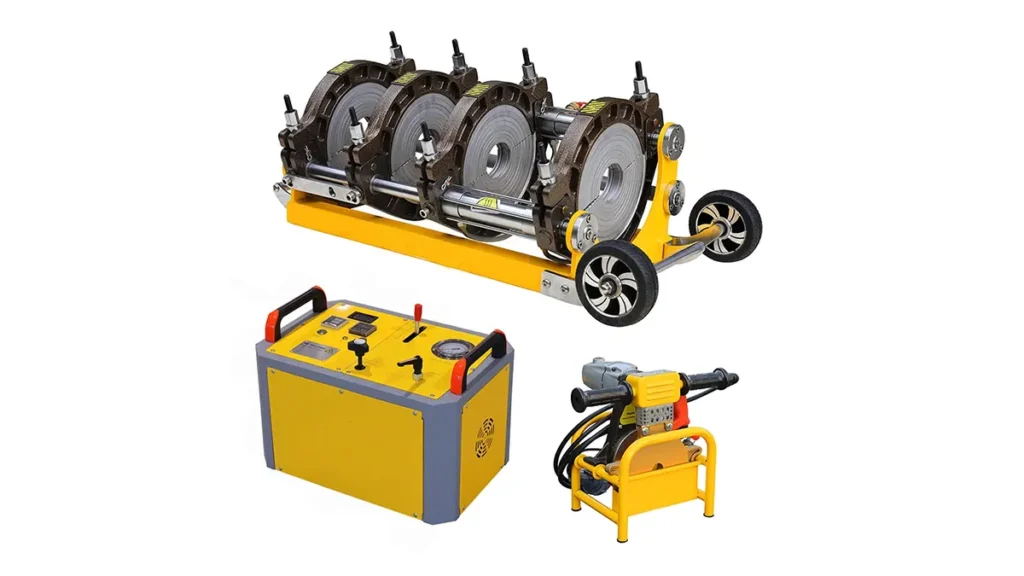
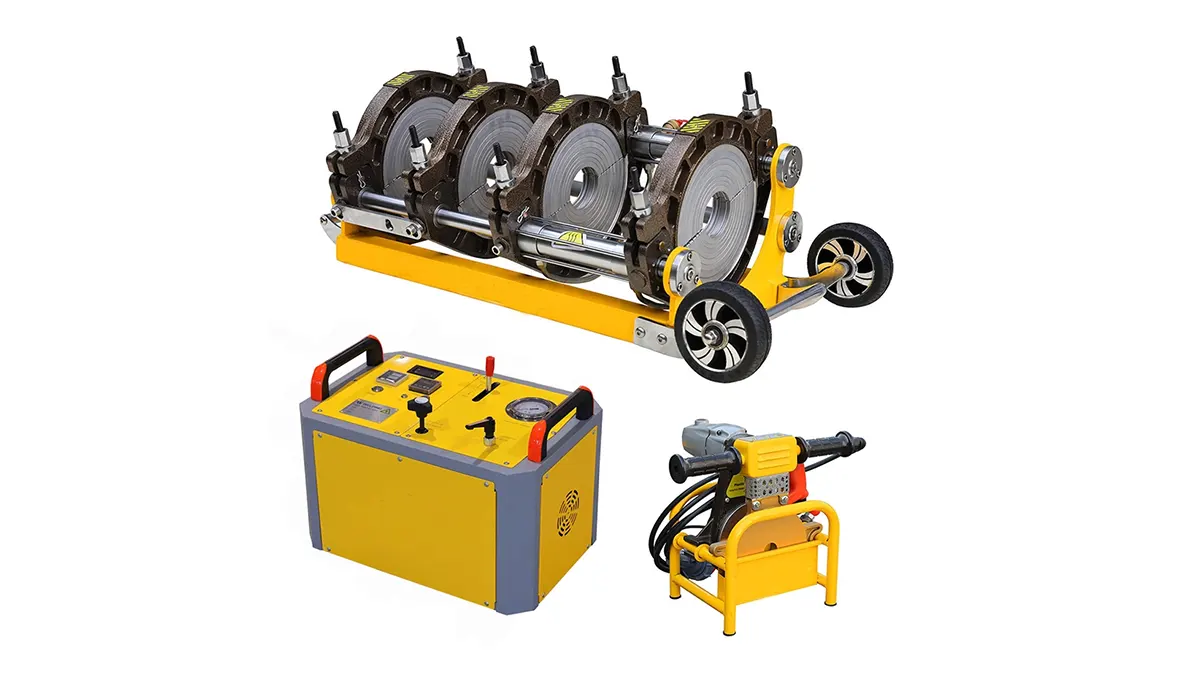
There are three main butt fusion machine types: manual, hydraulic, and CNC/automatic. Manual units are cost-effective for small-diameter work and local repairs. Hydraulic machines provide greater clamping force and stability for medium to large pipes common in municipal and industrial projects. CNC automatic machines deliver high repeatability and are preferred for high-volume or precision pipe fabrication.
Regional considerations
• Europe & North America: strict standards and traceability are priorities; automatic/CNC machines with digital logs are often required.
• Africa & Middle East: durability, simple maintenance, and local spare-parts availability matter more due to field conditions.
• Asia-Pacific: a mix—projects range from small rural installations needing manual machines to large infrastructure programs requiring hydraulics or automatic systems.
Top Features to Look For in a Butt Fusion Machine Maker
Quality of components — look for hardened steel clamps, reliable heating plates with uniform temperature control, and robust hydraulic systems that handle repeated cycles without drift.
Manufacturing standards & certifications — ISO, CE, and relevant pipeline industry approvals demonstrate consistent processes and product safety. For international contracts, ask for documentation and traceable test reports.
Service, training & spare parts
Fast spare-parts shipping, remote troubleshooting, and on-site training reduce downtime—particularly important for remote projects in Africa or the Middle East. A global service network or strong distributor partnerships are a major advantage.
Customization & range
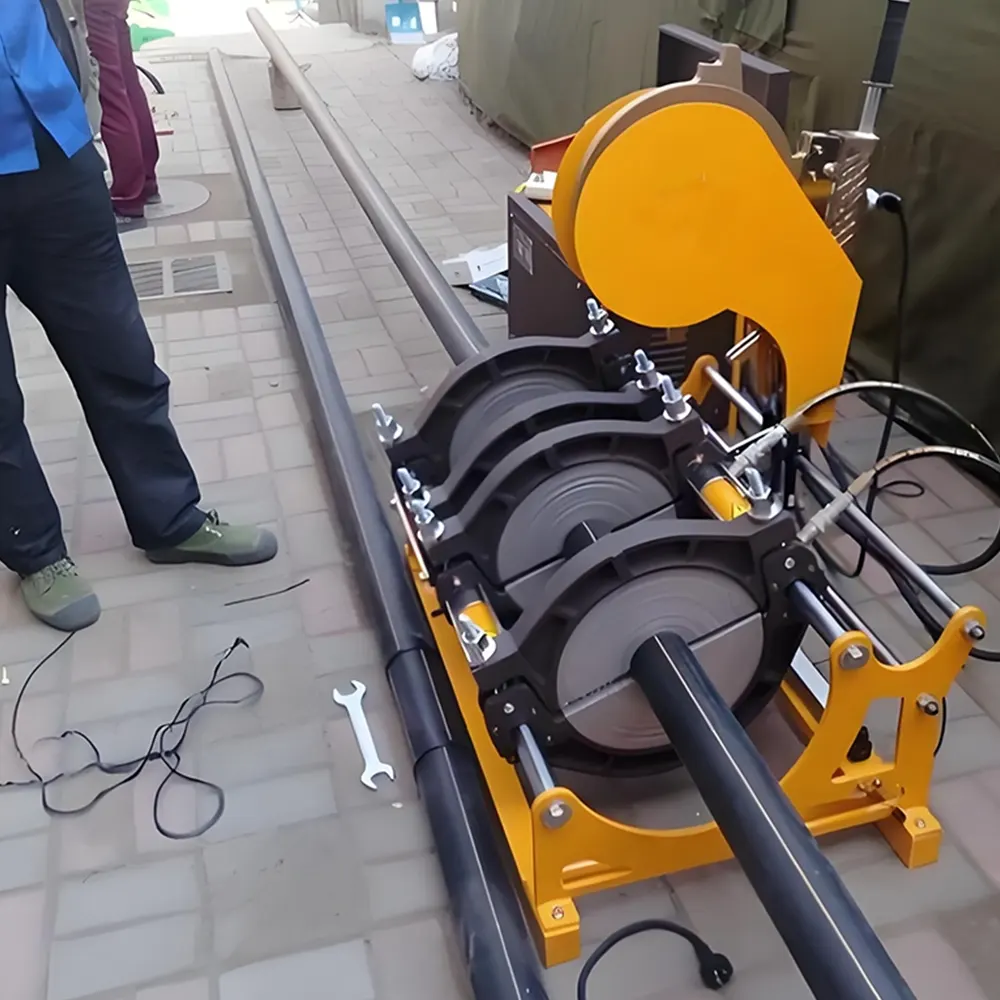
A reliable manufacturer should offer machines for small to very large diameters and provide customization for project-specific fixtures, tooling, or automation. This flexibility matters when projects span diverse pipe sizes or require specialized fittings.
Compare Makers with a Simple Feature Table
| Feature | Why it matters | Global buyer note |
|---|---|---|
| Build materials & durability | Determines operating life and maintenance needs | Crucial in harsh climates and high-cycle projects |
| Control & data logging | Ensures weld traceability and quality assurance | Required for regulated markets (EU, US) |
| Spare parts & service | Reduces downtime and lifecycle cost | Local support preferred for remote projects |
| Customization & versatility | Adapts to unique project needs | Valuable for contractors managing varied contracts |
Warranty, testing & traceability
Confirm warranty terms, factory test records, and material traceability. For public-sector or utility projects, weld records and machine calibration certificates are often mandatory. A strong warranty and transparent test data protect procurement teams from hidden costs.
Price vs. value
Lowest upfront price can cost more over the machine’s life. Evaluate total cost of ownership: maintenance intervals, availability of consumables (heating plates, jaws), energy efficiency, and operator training needs.
Lead times, logistics & compliance
Global projects need predictable lead times and clear shipping plans. Check the maker’s export experience, packaging standards for sea freight, and customs documentation. Compliance with local electrical and safety codes avoids on-site delays.
Checklist for Final Selection
• Inspect sample welds and ask for videos of machines in real-world operation.
• Request references from projects in your region.
• Verify spare-part lists and typical delivery times.
• Confirm training packages and remote support options.
• Ask for a complete quotation including optional accessories and turnkey services.
A reliable example
If you need a partner with a wide range of butt fusion solutions and global project experience, consider JQ-Fusion (https://jq-fusionwelding.com/) — they manufacture manual, hydraulic, and automatic HDPE welding machines and provide tailored options for diverse infrastructure projects.
Final thought
Selecting the best butt fusion machine maker is about matching equipment capability, service reach, and documentation to your project’s technical and regional requirements. Prioritize traceability, spare parts access, and proven field performance to minimize risk and maximize uptime.



