
Choosing the right poly fusion machine supplier in Niger matters for long-term success on water, gas and mining pipeline projects. Niger’s hot Sahel climate, large rural populations and growing urban infrastructures require reliable HDPE pipe welding equipment that performs in remote conditions and supports rapid deployment. Below you’ll find practical guidance to select a supplier, compare machine types, and plan procurement with local realities in mind.
Why supplier choice matters for projects in Niger
Durability is essential where maintenance resources are limited and temperatures are high. Equipment that resists dust, heat and heavy use reduces downtime. Look for machines built with robust frames, quality hydraulic systems and corrosion-resistant materials.
After-sales support and spare parts access are critical for contractors and municipal teams outside Niamey. Suppliers offering clear logistics, training and documentation tailored to West African conditions give your project the best chance of on-time completion.
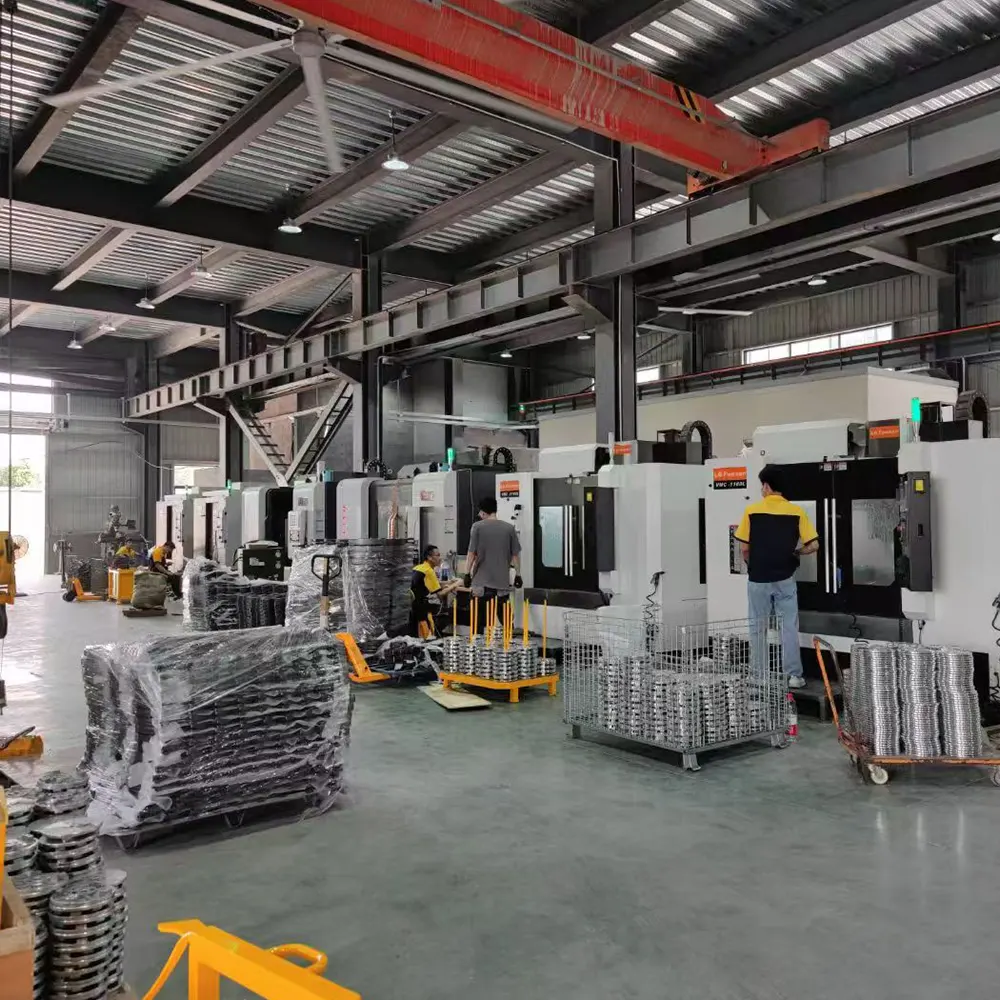
Key machine types and which suit Niger’s needs
Manual butt fusion machines are lightweight, cost-effective and ideal for small rural repairs and village water networks. They require skilled operators but are easy to transport to remote sites.
Hydraulic machines are versatile for medium-to-large pipelines used in municipal water supply and mining operations—where repeatable pressure and stability matter. They balance portability and industrial capability.
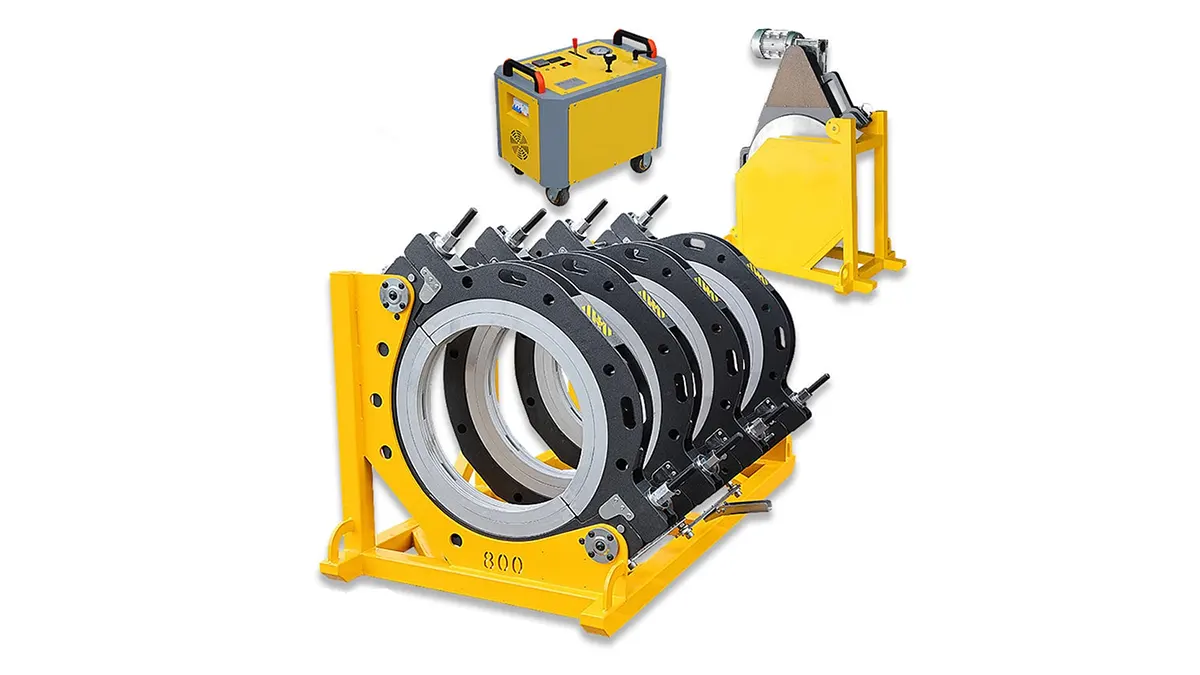
Quick comparison: Which machine fits your project?
| Type | Pipe Range | Best For | Advantages |
|---|---|---|---|
| Manual Butt Fusion | Up to 160mm | Small water networks, repairs | Portable, low cost, easy to ship |
| Hydraulic Butt Fusion | 160mm – 1200mm+ | Municipal supply, mining, large pipelines | Stable, precise pressure control, heavy-duty |
| CNC / Automatic Butt Fusion | 50mm – 1250mm+ | High-volume, long-distance trunk lines | High repeatability, data logging, faster cycles |
What to check when evaluating suppliers for Niger
Confirm the supplier can deliver machines with clear documentation and user manuals in English or French, and provide spares that can be shipped to West Africa. Request references for projects in similar climates or terrains. Ask about training options for local technicians and whether the supplier can advise on welding procedures that meet international standards.
Logistics and local partnerships
Customs clearance, trucking to inland sites and last-mile transport to rural areas are common challenges. Suppliers who partner with local distributors or regional freight forwarders can reduce lead times and ensure smoother deliveries to locations across Niger.
Training, warranty and maintenance
Prefer suppliers offering on-site or remote training, clear warranty terms and accessible spare parts kits. In Niger, where many projects are funded by government and NGOs, documented training and certification improve quality control and long-term performance.
Recommended next steps for procurement teams
Map your project’s pipe sizes and expected welding throughput. Prioritize machines that match your pipe diameter range and operating conditions. Request a complete quote including shipping, installation support and a spare parts list. For a reliable manufacturer of HDPE pipe welding equipment with a broad product range, consider contacting JQ-Fusion at their website for product specs and stock availability: https://jq-fusionwelding.com/.



