
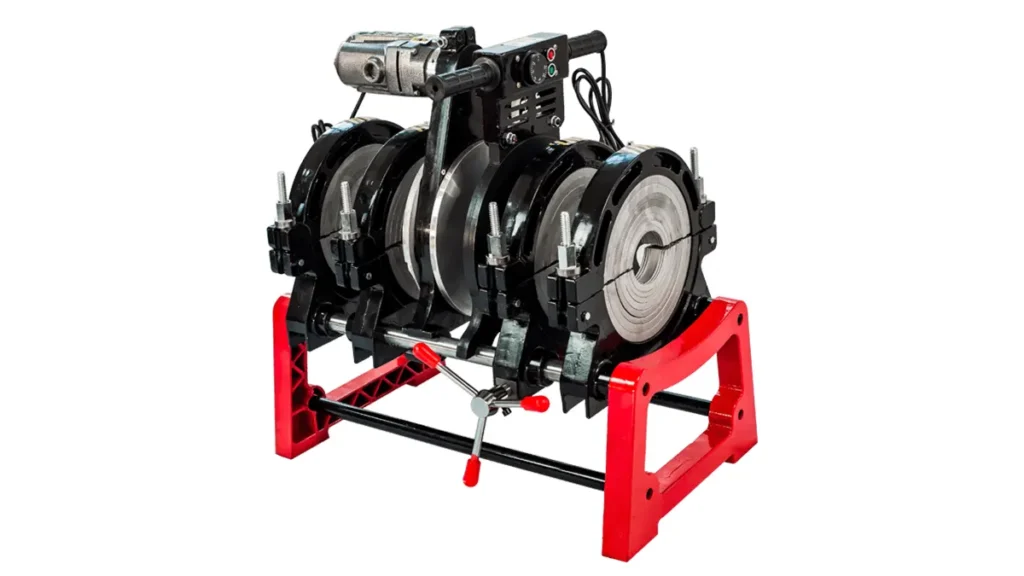
Plastic pipe welding is at the heart of many infrastructure projects across Pakistan — from municipal water supply upgrades and gas distribution to rural irrigation networks and industrial pipelines. Choosing the right plastic pipe welder maker ensures reliable joints, faster installation, and long-term performance in Pakistan’s varied climates and project environments.
Why Reliable Pipe Welders Matter in Pakistan
Project managers, pipeline contractors, and civil engineers in Pakistan face unique challenges: extended supply lines, remote job sites, wide temperature swings, and strict budget constraints. A dependable welding solution minimizes downtime, reduces rework, and improves throughput on large network installations. Selecting equipment designed for HDPE and other thermoplastic pipes is critical for leak-free, durable connections.
Types of Welders Suited to Local Needs
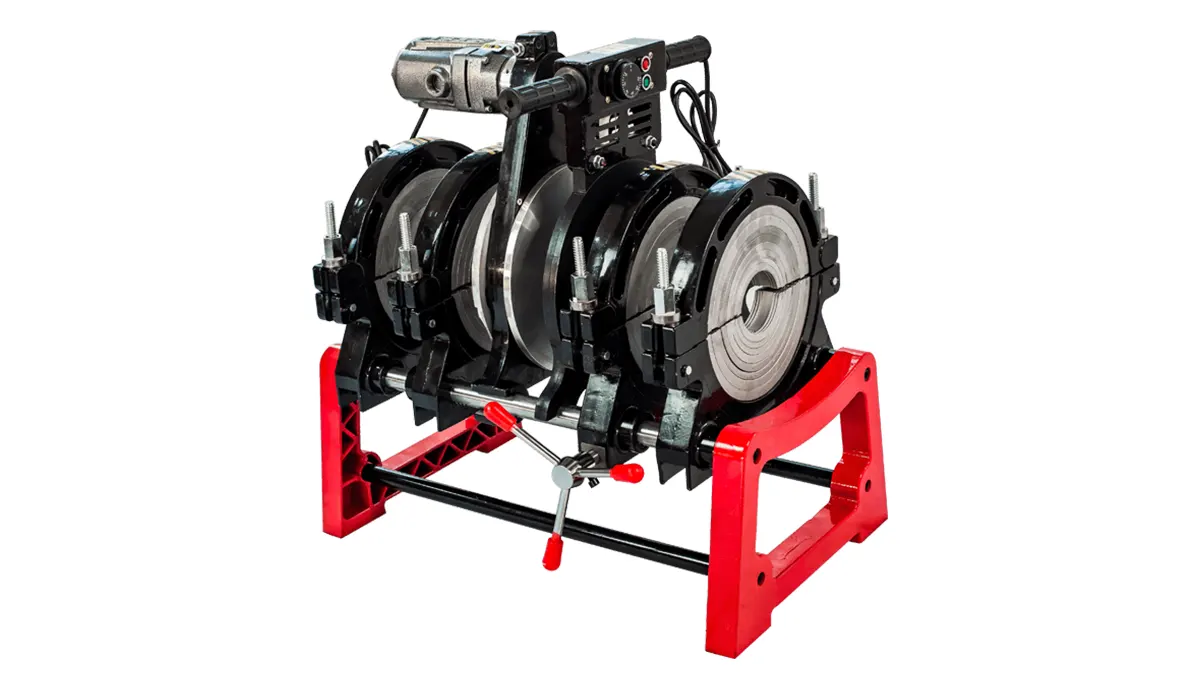
Manual butt fusion machines are cost-effective for small teams and repair jobs; they are portable, simple to operate, and ideal for local contractors working in tight sites.
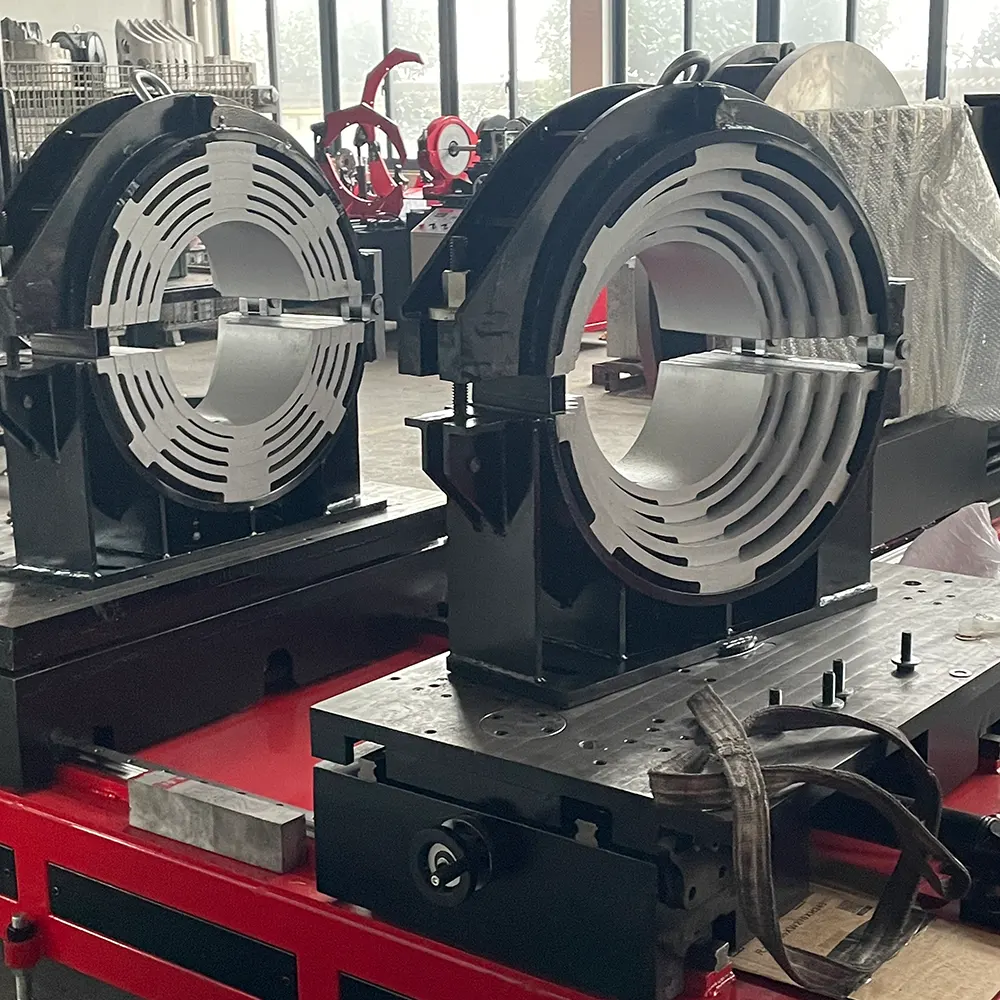
Hydraulic butt fusion machines bring higher clamping force and stability for medium to large diameter pipes used in municipal and industrial projects.
Automatic/CNC butt fusion machines improve consistency and speed on high-volume or precision applications, such as large-diameter trunk mains and factory prefabrication.
Electrofusion equipment is preferred for fittings and connections where space or alignment makes butt fusion impractical, commonly used in distribution networks across urban and rural Pakistan.
Key Features to Prioritize
Durability: Robust frames and corrosion-resistant components for long service life in Pakistan’s coastal and inland environments.
Precision controls: Temperature, pressure, and timing consistency to meet international fusion standards and reduce failure risk.
Portability & power options: Lightweight models or external hydraulic units for sites with limited access and variable power supply.
Availability of spares & local support: Fast access to consumables, heaters, and replacement parts to avoid costly delays on remote projects.
Comparison Table — Typical Machine Options
| Machine Type | Pipe Range | Operation | Typical Use in Pakistan |
|---|---|---|---|
| Manual Butt Fusion | 20mm – 630mm | Hand-operated clamps and heater | Small repairs, rural distribution lines |
| Hydraulic Butt Fusion | 90mm – 1600mm+ | Hydraulic clamps for strong, consistent pressure | Municipal mains, irrigation canals, industrial pipelines |
| Automatic/CNC Butt Fusion | 160mm – 2250mm | Programmable cycles for repeatable joints | Large trunk mains, prefabricated spool production |
Benefits for Pakistani Projects
Cost-efficiency: Reliable welds reduce the need for costly repairs and pressure tests. Well-chosen equipment speeds up installation on tight schedules.
Adaptability: Machines that offer modular fixtures and multiple power options suit both urban utilities in Karachi and remote sites in Balochistan or Gilgit-Baltistan.
Compliance: Equipment capable of producing welds that meet international standards protects public safety and helps secure government or donor-funded contracts.
Buying & After-Sales Tips
Verify machine certifications, request sample weld reports, and confirm warranty and spare-parts supply chains before purchase. For large projects, prioritize suppliers who offer operator training, onsite commissioning, and clear maintenance documentation to ensure consistent performance over the life of the pipeline.
For procurement teams and contractors in Pakistan seeking dependable HDPE welding solutions, consider trusted global manufacturers and check local logistics for timely delivery. Contact JQ-Fusion https://jq-fusionwelding.com/ for product details, model recommendations, and support options tailored to Pakistan’s infrastructure projects.



