
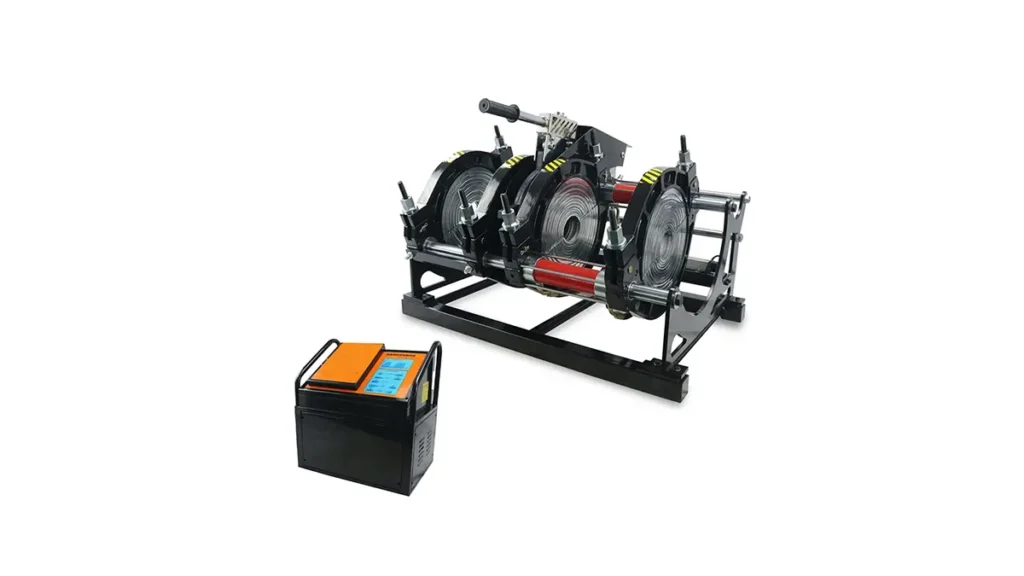
Kazakhstan’s infrastructure growth demands reliable plastic pipe welding solutions for water supply, gas distribution, mining and industrial pipelines. For engineers, contractors and procurement teams across the steppe cities from Almaty to Aktobe, choosing the right HDPE pipe welder ensures long-term system performance and reduced maintenance costs.
Why Choose a Local-Focused Plastic Pipe Welder for Kazakhstan Projects
Local climate, long-distance pipeline runs and harsh construction conditions in Kazakhstan require equipment that is robust, easy to service and adaptable to field conditions. A reliable plastic pipe welder helps contractors meet strict joint integrity standards and reduces rework on large civil and industrial projects.
Key Welding Technologies for Kazakh Pipelines
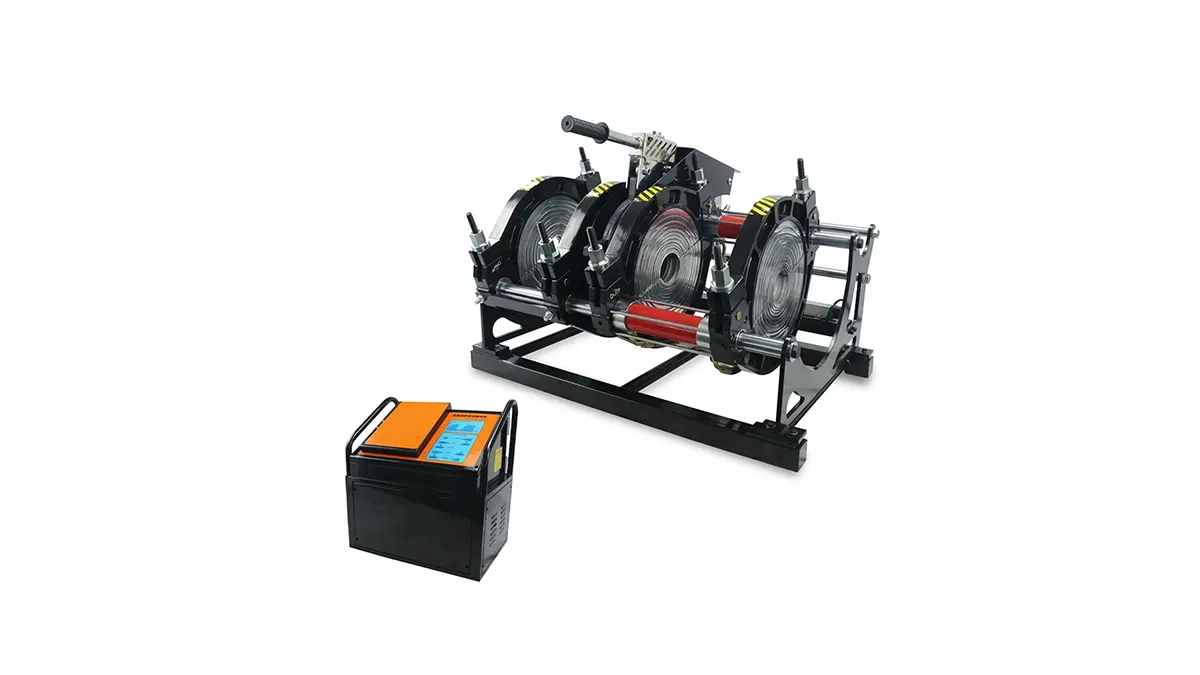
Butt fusion, electrofusion and specialized multi-angle fitting machines are the most used methods for joining HDPE and other thermoplastic pipes in Kazakhstan. Each method has benefits:
- Manual and hydraulic butt fusion — flexible and cost-effective for remote sites.
- Automatic/CNC butt fusion — consistent weld parameters for long-distance gas and water mains.
- Electrofusion — ideal for repairs, small-diameter assemblies and fittings.
Comparing Machine Types — Quick Selection Guide
| Machine Type | Best Use | Typical Pipe Range |
|---|---|---|
| Manual Butt Fusion | Small jobs, remote repairs | 20mm – 160mm |
| Hydraulic Butt Fusion | Construction sites, medium-large mains | 160mm – 1250mm+ |
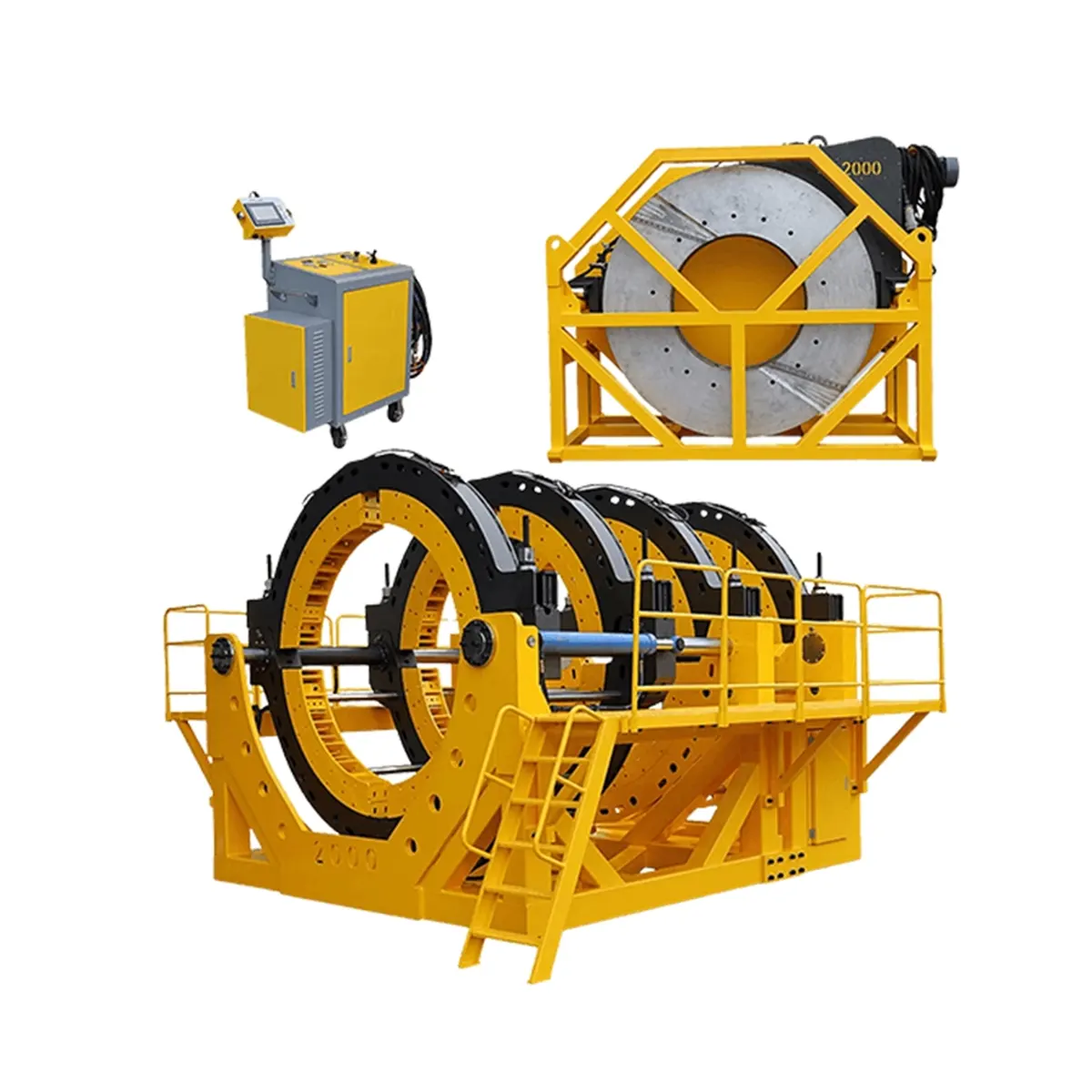
| Automatic/CNC Butt Fusion | High-volume projects, consistent quality | 63mm – 2000mm |
Performance Factors for Harsh Climates
When selecting welders for Kazakhstan, prioritize equipment with stable hydraulics, precise temperature control and rugged frames that tolerate dust, extreme temperature shifts and long transport times. Portability for steppe logistics and easy spare-part access are also critical.
Benefits for Kazakh Contractors and Project Owners
Faster installation, fewer joint failures and compliance with international welding standards help contractors reduce project risk and lifecycle costs. Reliable welders also support Kazakhstan’s expanding oil & gas distribution networks and municipal water upgrades.
Service, Training and Certification
Equipment suppliers should offer on-site training for local crews, preventive maintenance plans, and guidance on weld procedure qualification. Choosing machines backed by technical support ensures teams can maintain weld quality across seasons and remote locations.
How to Evaluate Suppliers
Assess vendor track record, availability of spare parts, lead times for delivery, and post-sale support. For many Kazakhstan projects, a partner that supplies a full range — from manual to CNC automatic butt fusion machines — brings the flexibility to meet both small and large-scale needs. JQ-Fusion provides a comprehensive portfolio and global project experience suited to diverse pipeline applications.
Final Recommendations for Procurement Teams
Request weld samples, technical datasheets and field references. Require documentation on machine tolerances, heater plate control and hydraulic pressures. Prioritize partners that deliver training and fast spare-part logistics across Kazakhstan’s regions to minimize downtime.
Ready to specify equipment? Choose machines that match pipe diameters, site conditions and project quality goals to ensure reliable, long-lasting pipeline performance across Kazakhstan.



