
Choosing the best HDPE electrofusion welding machine in Ireland means balancing portability, traceability, and compliance with local infrastructure needs. Whether you’re a municipal contractor repairing water mains on a rainy west-coast day or a gas network installer working near Dublin, the right electrofusion unit helps ensure reliable joints, fast site turnaround, and audit-ready records.
Why Electrofusion Is Ideal for HDPE Pipe Work in Ireland
Electrofusion welding provides consistent, leak-free connections for HDPE pipes used across Irish water supply, sewer, and gas distribution networks. The process is particularly valuable in the Irish climate where wet conditions and confined urban digs require machines that are robust, easy to use, and tolerant of field conditions. Key benefits include controlled heating cycles, minimal operator variability, and strong fusion records for compliance and asset management.
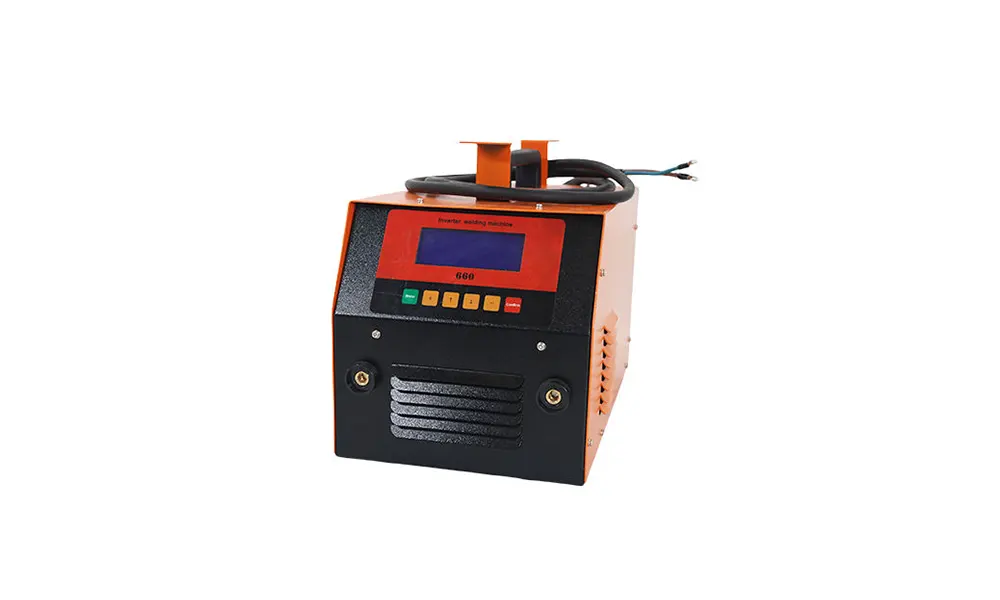
Top Considerations for Buyers in Ireland
- Portability: Choose a lightweight, battery-powered unit for remote or off-road sites common across rural counties like Mayo and Donegal.
- Data logging & traceability: Modern projects and Irish utilities value machines that store / export weld reports for QA and regulatory audits.
- Power compatibility & IP rating: Ensure the unit supports local mains (230V) and has high ingress protection for wet-weather work.
- Clamping versatility: Look for machines supporting a wide OD range and adaptable clamps to cover both small house service lines and larger mains.
- Service & spare parts: Rapid access to parts and training reduces downtime on site — critical in time-sensitive municipal works.
Which Type of Electrofusion Machine Is Best in Ireland?
There isn’t a single “best” model for every job. Instead, select by application:
- Portable hand-held units — best for repairs and service connections.
- Bench/stand machines — ideal for pre-fabrication yards and larger fittings.
- Automatic/data-logging systems — essential for large-scale utility projects that require full weld traceability.
Quick Comparison Table — Best HDPE Electrofusion Options for Ireland
| Type | Best For | Pipe Range | Key Advantage |
|---|---|---|---|
| Portable Handheld | Field repairs & service connections | 20–160 mm | Lightweight, battery backup, fast deployment |
| Bench/Workshop Unit | Prefabrication yards, large fittings | 50–630 mm | Stable clamps and controlled conditions for repeatable results |
| Automatic / Data-Logging | Utility-scale projects, QA-heavy jobs | 20–1000+ mm (model dependent) | Full welding traceability and advanced reporting |
Essential Features to Look For
- Clear display & guided interface — reduces operator error in mixed-experience crews.
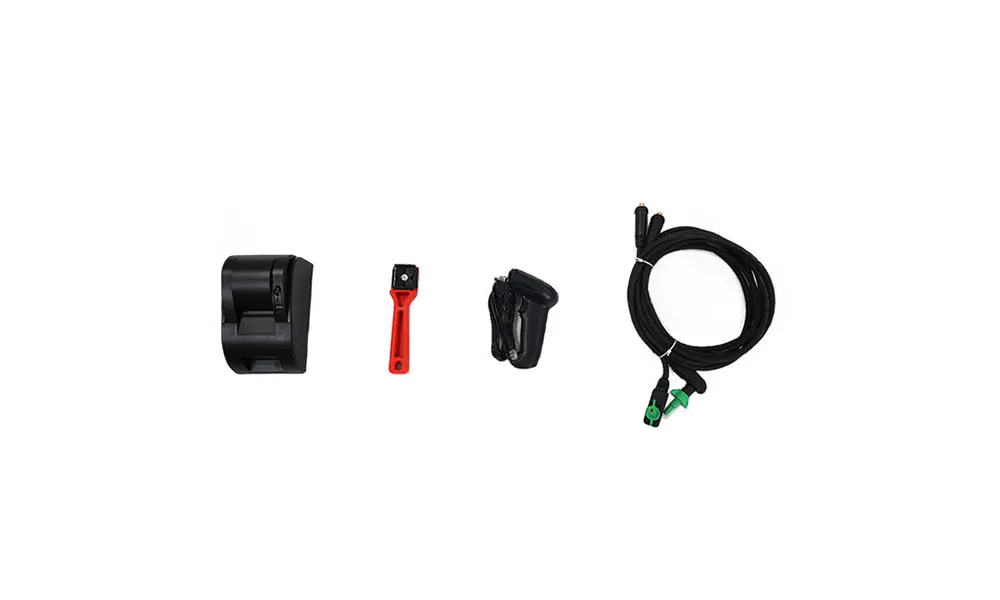
- Built-in printer or USB/Bluetooth export — for weld certificates and asset records.
- Robust battery and rugged casing — suited to wet Irish conditions and frequent transport.
- Adjustable clamps & multiple heater sizes — to avoid buying separate machines for different pipe diameters.
- IP-rated electronics — essential for performance during wet-weather excavations.
Buying & Operational Tips for the Irish Market
When purchasing, verify CE compliance and local support options. Ask suppliers for training packages that cover electrofusion technique, maintenance, and record management. For contractors servicing county councils or private utilities across Ireland, prioritize machines with easy-to-source spare parts and quick-calibration procedures to keep projects on schedule.
Recommended Use Cases
- Urban water main repairs: portable units with traceable weld logs.
- Rural service line installs: battery-backed handheld machines for off-grid sites.
- Large utility contracts: automatic systems with central data export for compliance.
Where to Source Reliable Electrofusion Machines
For proven HDPE electrofusion solutions built for global infrastructure projects, consider manufacturers that provide a broad product range, training, and after-sales support. JQ-Fusion offers a comprehensive lineup of electrofusion and butt fusion machines suitable for both small contractors and large utility projects.
Contact local distributors who understand Irish standards and logistics to ensure fast delivery, on-site training, and parts availability — crucial for keeping crews productive across Ireland’s varied environments.



