
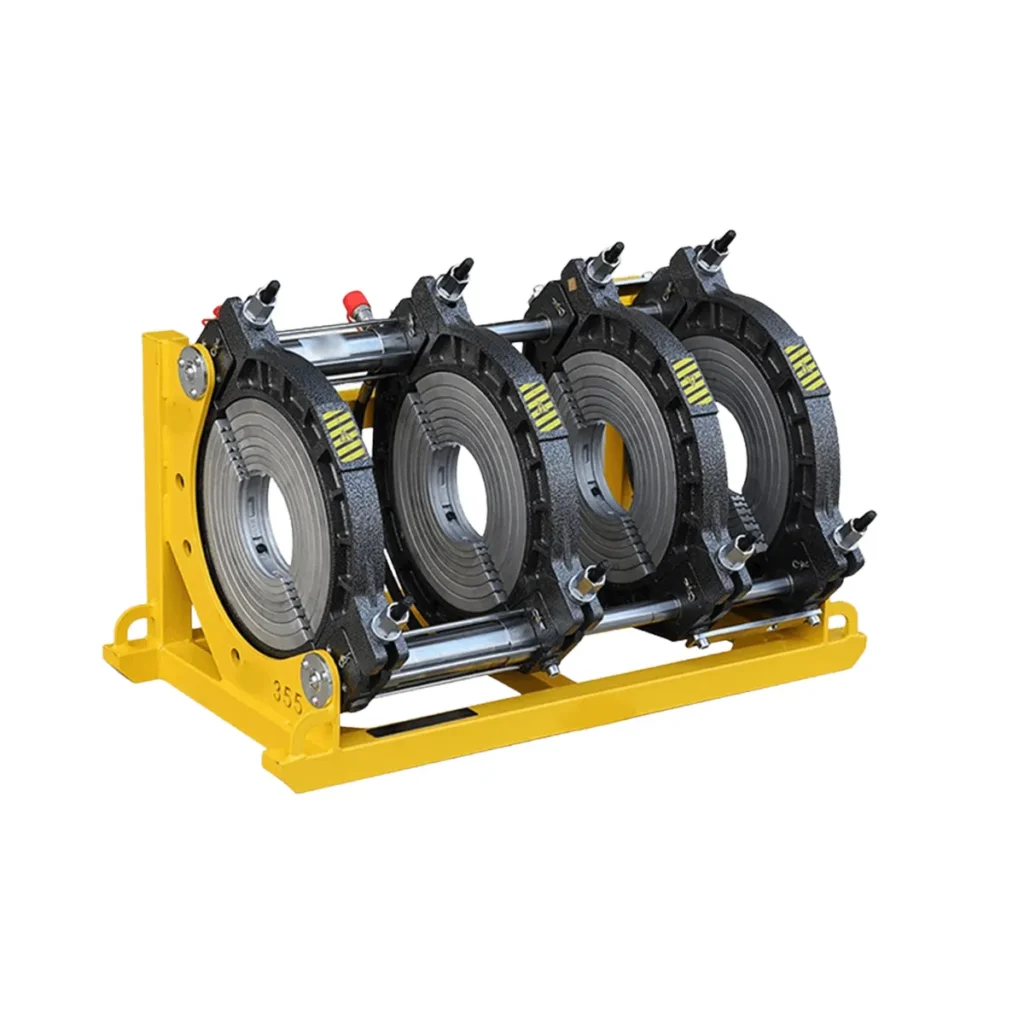
Slovakia’s expanding infrastructure projects demand robust, reliable solutions for joining HDPE pipelines. Hydraulic butt fusion machines are a preferred choice for municipal water networks, gas distribution, and industrial pipelines across urban and mountainous regions of Slovakia. This guide explains why hydraulic butt fusion machines are ideal for Slovak contractors, what to look for when selecting equipment, and how local conditions influence welding requirements.
Why Hydraulic Butt Fusion Works for Slovakia
Hydraulic butt fusion provides consistent, high-strength joints that withstand pressure, temperature changes, and ground movement — essential for Slovakia’s mixed terrain and seasonal freeze-thaw cycles. Contractors and installers value the method for its repeatability and long-term leak-free performance, making it suitable for drinking water, district heating, and gas mains that must meet strict EU and national standards.
Key Benefits for Local Projects
Durability: Welded joints resist corrosion and mechanical stress better than many mechanical couplings.
Speed and efficiency: Hydraulic systems speed up alignment and fusion steps, reducing on-site labor time on tight project schedules.
Versatility: Available models cover small-diameter service lines to large-diameter transmission mains used in utility and mining operations.
Features to Prioritize
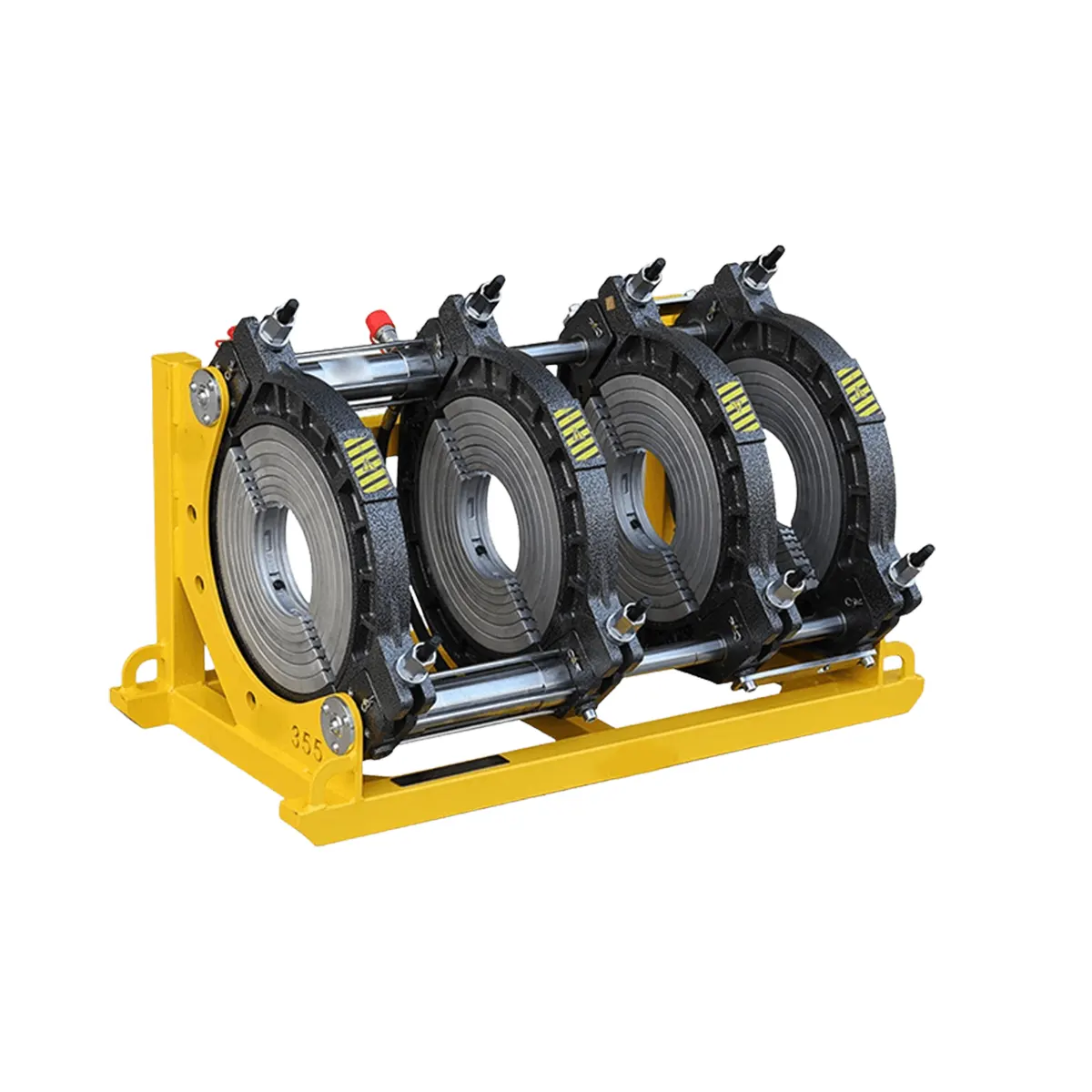
Select machines that offer accurate alignment, stable hydraulic pressure control, and easy-to-use heater plates for consistent fusion. For Slovak conditions, portability for rural and mountainous sites is important, as is compatibility with common HDPE materials and pipe SDR classes used by local utilities. Manufactured by JQ-Fusion, these systems combine rugged frames, reliable hydraulic units, and optional automation for production-scale projects.
Applications Across Slovakia
Hydraulic butt fusion machines are widely used for:
• Drinking water distribution in towns and villages
• Gas pipeline installation and repair under EU safety regulations
• Agricultural irrigation networks in lowland plains
• Industrial and mining process pipelines where chemical resistance is required
Choosing the Right Machine — Practical Checklist
• Pipe diameter range and SDR compatibility
• Hydraulic pressure control accuracy and capacity
• Weight and transportability for field jobs in hilly or remote areas
• Heater plate quality and temperature uniformity
• Service and spare parts availability within the EU/Schengen logistics network
Typical Technical Comparison
| Model | Pipe Range (mm) | Power / Drive | Automation |
|---|---|---|---|
| JQH160 | 20 – 160 | Hydraulic / Electric | Manual / Semi-Auto |
| JQH630 | 160 – 630 | Hydraulic Station | Hydraulic Semi-Auto |
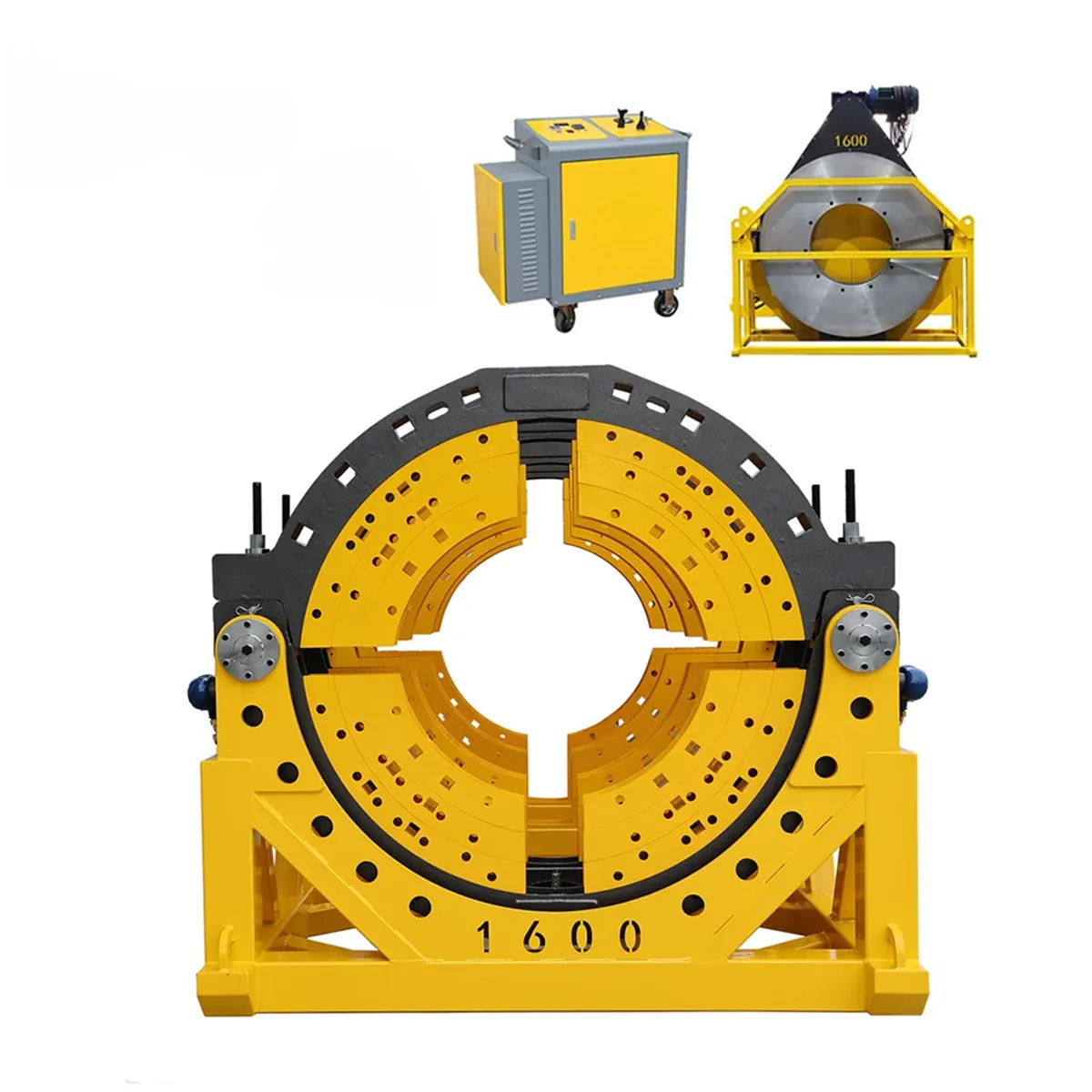
| JQH1600 | 800 – 1600 | High-Capacity Hydraulic | Semi-Auto / CNC Option |
Maintenance and Local Support
Preventive maintenance ensures fusion quality and reduces downtime. For Slovak contractors, check warranty terms, availability of heater plates and hydraulic seals, and whether technical documentation is provided in English or Slovak. Training for local welders on proper alignment and heating cycles is essential to meet EU pipeline safety standards.
Buying Tips for Slovak Buyers
• Verify declaration of conformity and CE marking where applicable.
• Ask about spare parts lead times to avoid project delays across borders.
• Consider modular machines that handle a broad diameter range to maximize ROI.
Next Steps
If you plan pipeline works in Slovakia — from municipal water upgrades to industrial installations — selecting a hydraulic butt fusion machine with proven field performance will reduce leaks and rework. Evaluate machine capacity, after-sales support, and portability to match local site conditions and regulatory expectations.



