
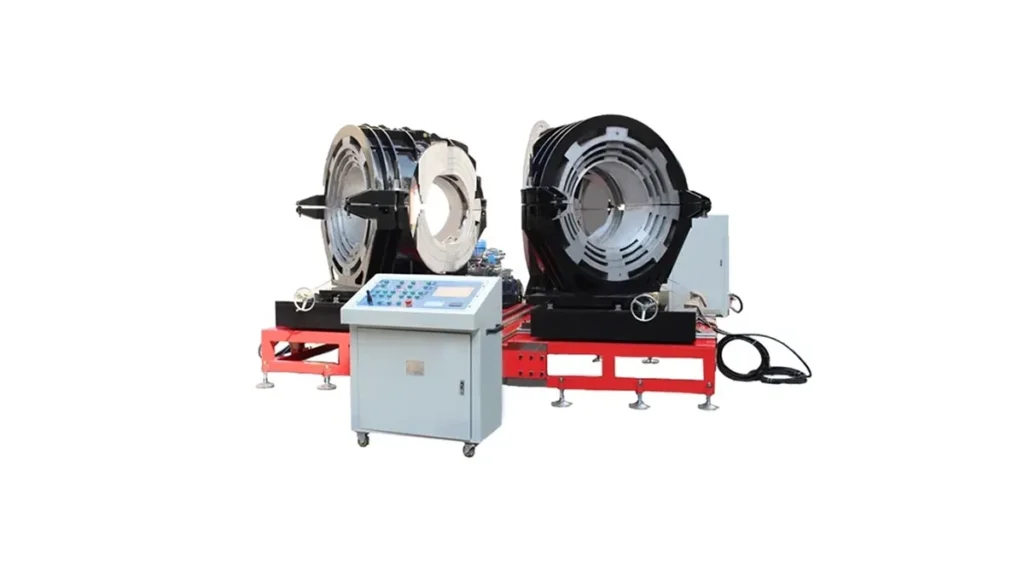
Choosing the right HDPE pipe fusion equipment is critical for Mauritius’ growing infrastructure: from potable water networks and irrigation systems to coastal drainage and industrial piping at ports and sugar processing plants. Local contractors and utility teams need machines that handle tropical conditions, limited site footprints, and reliable long-term performance.
Why HDPE Butt Fusion Is the Preferred Method in Mauritius
Butt fusion welding creates seamless, leak-free joints ideal for corrosive or high-humidity environments found across Mauritius. HDPE systems resist salt spray, aggressive soils, and the thermal expansion common in tropical climates. For municipal waterworks, gas distribution, and agricultural irrigation, butt fusion delivers consistent mechanical strength and low maintenance costs — a major advantage for island projects where downtime and replacement logistics are expensive.
Types of Machines Suitable for Mauritius Projects
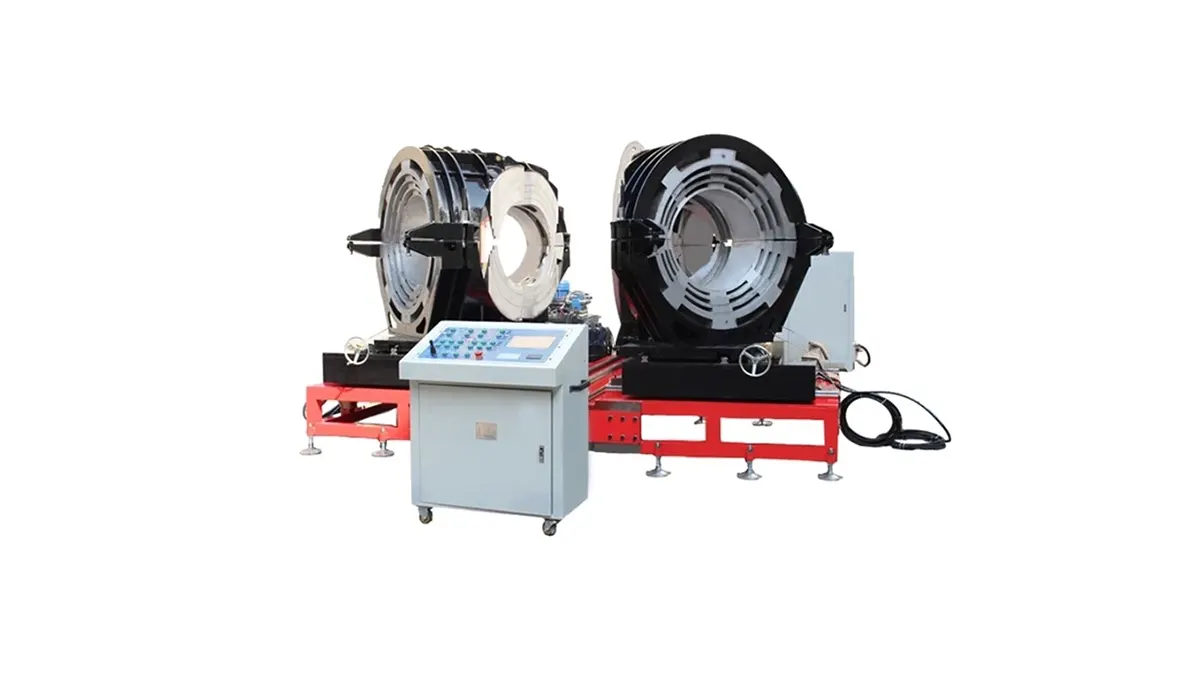
Selecting between manual, hydraulic, and CNC automatic butt fusion machines depends on project scale and mobility needs. Manual units offer portability for remote roadworks and small village connections. Hydraulic and semi-automatic systems bring higher clamping force and repeatability for medium-sized utility projects. For large-diameter pipelines servicing industrial plants, automatic CNC machines ensure precision and fast cycle times.
Key Advantages for Local Contractors
Compact footprint for tight urban sites, corrosion-resistant frames for coastal projects, and user-friendly controls for crews with mixed experience levels. Machines designed for easy transport and quick setup reduce mobilization time on the island. Machines that accept a wide pipe diameter range let teams handle multiple job types without multiple specialized units.
Model Comparison — Quick Reference
| Model | Pipe Range (mm) | Automation | Best for |
|---|---|---|---|
| Manual SY / Lx Series | 20–160 | Hand-operated | Small repairs & rural installations |
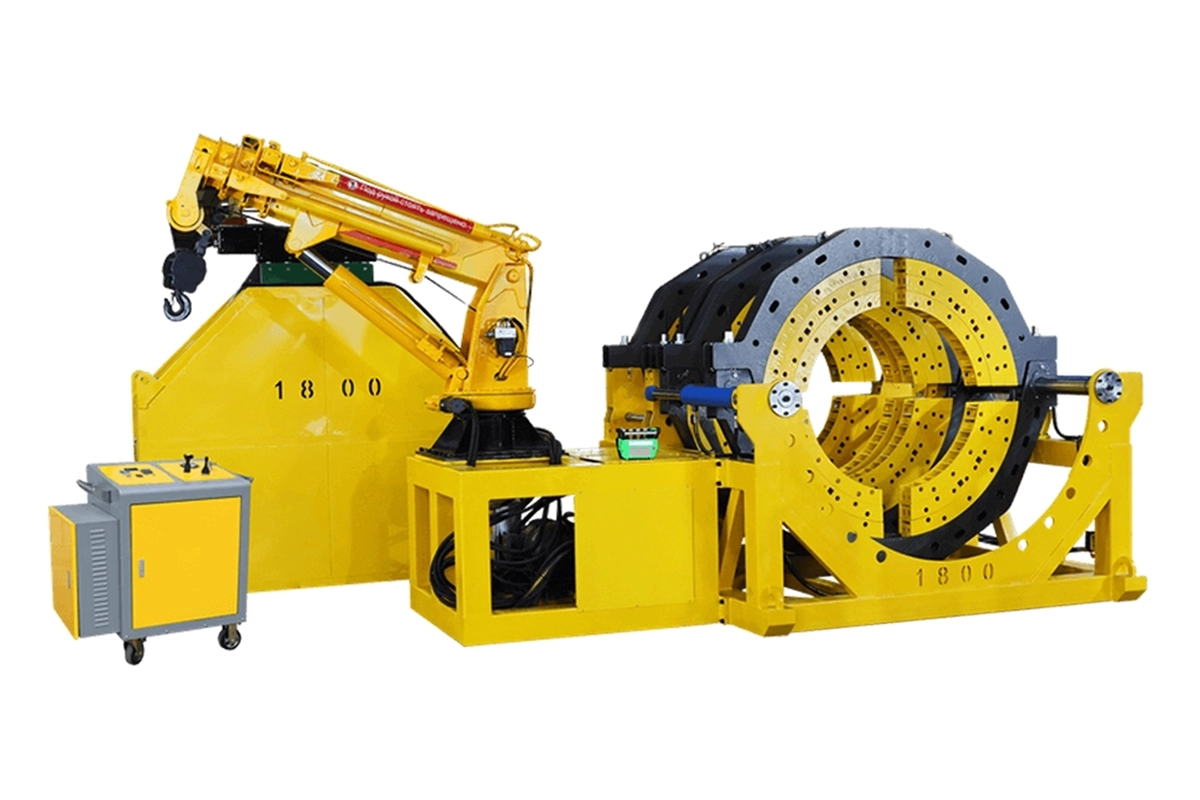
| Hydraulic H Series | 160–1200+ | Semi-auto with hydraulic station | Municipal & industrial pipelines |
| Automatic JQA Series | 63–630+ | CNC fully automatic | High-volume factory or field welding |
Installation, Training, and After-Sales Considerations
Equipment selection should include plans for operator training, calibration, and spare parts supply. On an island like Mauritius, minimizing downtime is essential: choose suppliers who can advise on maintenance intervals, provide remote troubleshooting, and ship critical components quickly. Machines with modular components and widely-used hydraulic/electrical parts reduce wait times for service.
Customization for Mauritius’ Climate and Logistics
Options such as stainless or coated fasteners, sealed electrical cabinets, and reinforced trailers help equipment withstand humid, salty air near coasts. Consider units sized for quick loading on standard local trucks and compatible with local power supplies or portable generators when sites lack stable mains power.
Choosing a Reliable Factory Partner
For procurement and technical support, work with a manufacturer experienced in global infrastructure projects and multiple machine classes. JQ-Fusion offers a broad product line from manual to CNC automatic butt fusion machines and supports projects ranging from small village waterworks to large industrial pipelines.
Next Steps for Contractors in Mauritius
Assess your project scope — pipe sizes, site access, daily joint targets, and environmental exposure. Request machine demo videos, recommended tooling lists, and estimated lead times. Prioritize equipment with straightforward controls and accessible service networks to ensure continuous operation across the island’s diverse project sites.
Contact & Project Evaluation
Request case studies or references for similar island or coastal projects, and ask about package options including training, spare parts, and commissioning. A well-chosen fusion machine will improve joint quality, reduce maintenance, and help deliver reliable infrastructure across Mauritius.



