
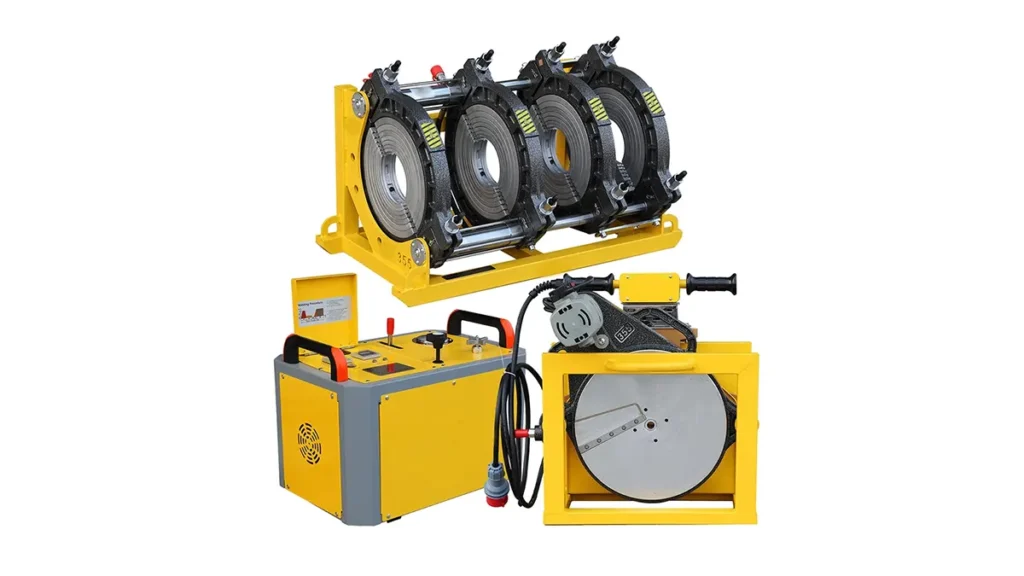
Butt fusion welding remains the gold standard for joining thermoplastic pipes in demanding industrial environments. This article explains how modern butt welding machines improve joint integrity, reduce installation time, and deliver consistent results across a wide range of HDPE and other polymer pipe sizes. Whether you’re specifying equipment for municipal water, gas distribution, mining, or industrial process lines, understanding key machine types, operational benefits, and selection criteria will help you achieve reliable pipeline performance.
Why Butt Welding Machines Matter for Industrial Pipelines
Butt fusion welding forms a molecular bond by heating and pressing pipe ends together under controlled pressure and alignment. The process eliminates mechanical fittings that can fail under pressure, chemical exposure, or ground movement. Modern machines automate and standardize critical steps—heating, facing, and fusion—so contractors and operators can maintain strong, leak-free pipelines with predictable cycle times and minimal rework.
Core Machine Types and When to Use Them
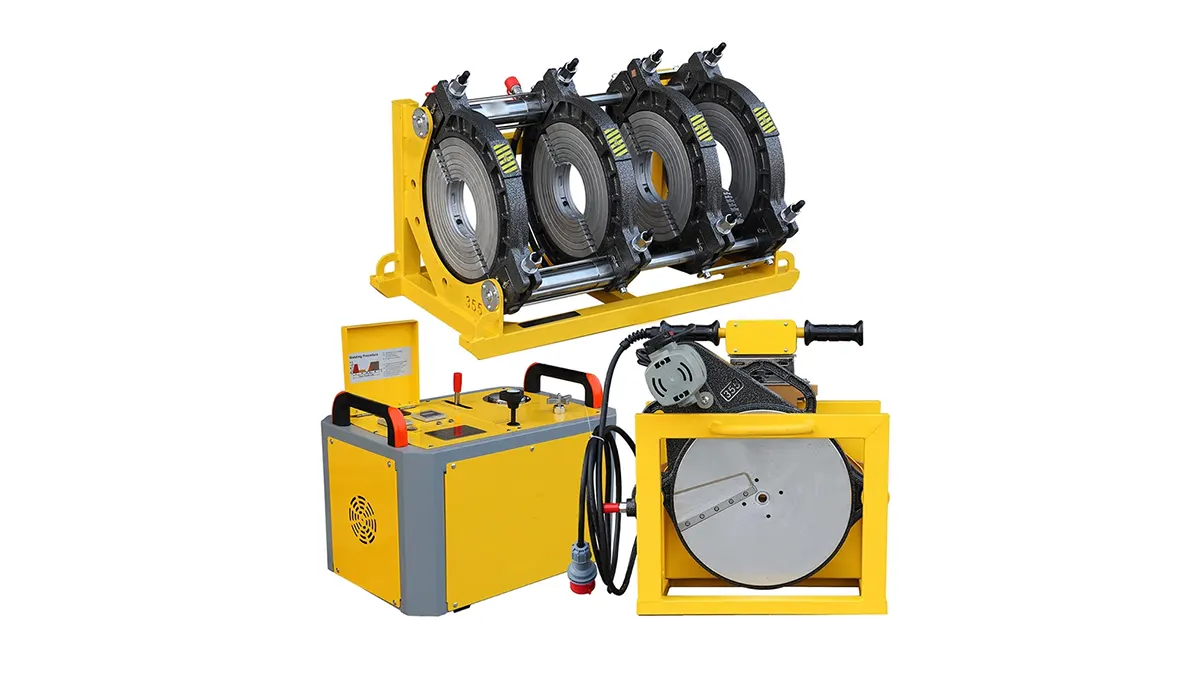
Selecting the right butt welding machine depends on pipe diameter, project scale, site access, and operator skill. The main categories are manual, hydraulic, and CNC/automatic systems:
- Manual machines — Best for small-diameter jobs and confined sites where portability and simplicity are priorities.
- Hydraulic machines — Provide precise clamping and pressure control for mid to large diameters used in municipal and industrial pipelines.
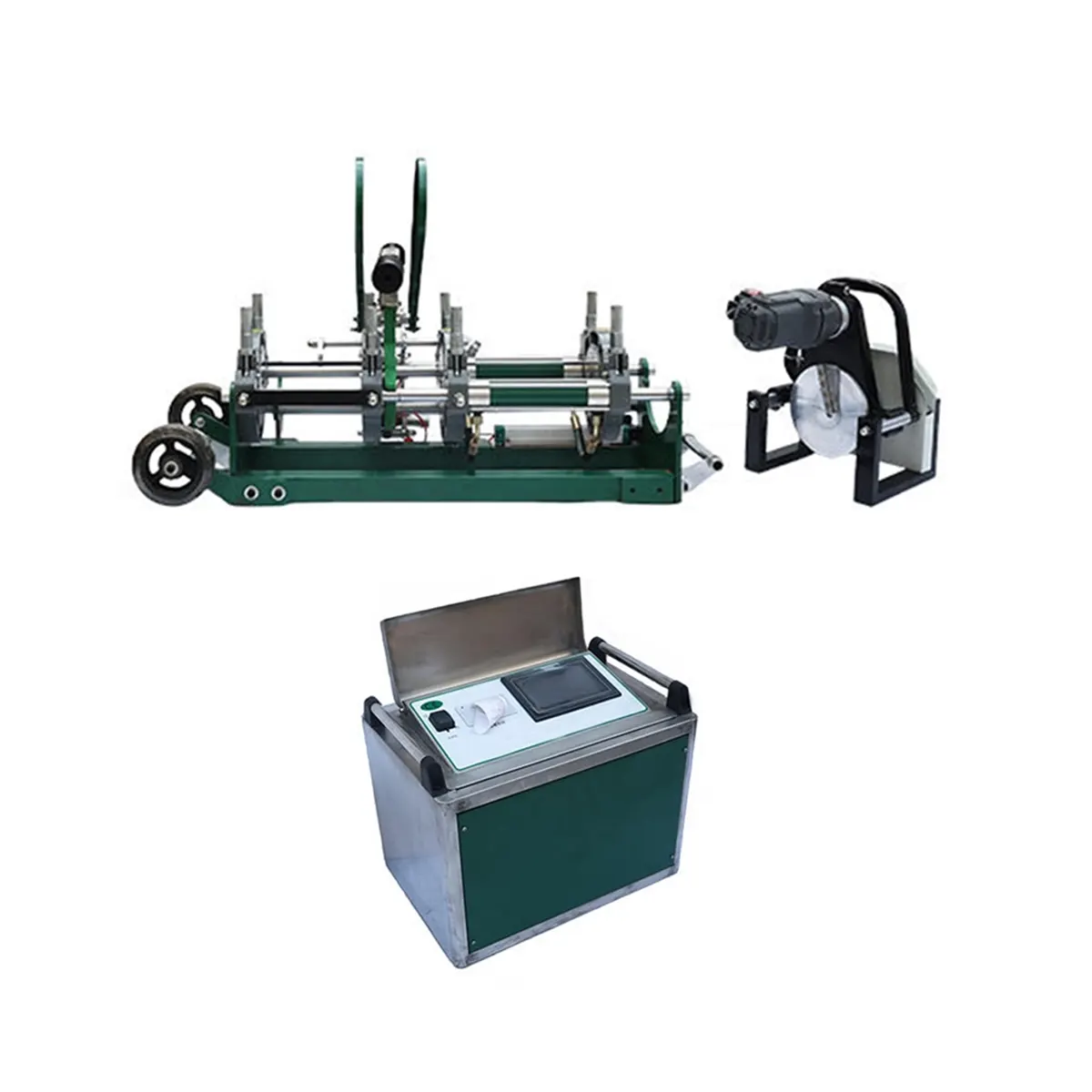
- Automatic/CNC systems — Ideal for high-volume production or large-diameter installations that require tight process control and data logging.
Performance Advantages at a Glance
Investing in the correct butt fusion equipment yields measurable benefits: improved joint strength, consistent weld quality, faster installation rates, and lower whole-life maintenance costs. Advanced features such as digital temperature control, automatic pressure curves, and integrated heaters reduce operator variability and help meet industry codes and standards.
Quick Comparison: Machine Types
| Machine Type | Typical Pipe Range | Key Benefit |
|---|---|---|
| Manual Butt Fusion | 16mm – 315mm | Low cost, portable, easy to maintain |
| Hydraulic Butt Fusion | 63mm – 2000mm+ | High clamping force, stable pressure control |
| Automatic/CNC Butt Fusion | 63mm – 1200mm (and larger with custom frames) | Repeatable process, data logging, minimal operator error |
Key Specifications to Check Before Purchase
When evaluating equipment, prioritize: clamping and alignment precision, heating plate stability, hydraulic pressure range, ability to weld the pipe materials used on your project, and availability of spare parts and calibration support. Machines with modular frames and optional accessory kits (trimmers, transport stands, or multi-angle fittings units) offer flexibility for mixed-project fleets.
Applications and Industry Use-Cases
Butt fusion machines are central to installations such as potable water networks, natural gas distribution, industrial effluent lines, mining slurry pipelines, and large-diameter trunk mains. The process is especially valued where joint integrity and long-term corrosion resistance are critical.
Installation Best Practices
For reliable welds: always ensure clean pipe ends, correct heating plate temperature, proper facing to remove burrs, and controlled cooling time under consistent pressure. Operator training and documented welding procedures reduce risk and ensure compliance with local standards.
Manufactured and supported by JQ-Fusion (https://jq-fusionwelding.com/), modern butt fusion machines combine robust build quality with optional automation to meet the needs of contractors and pipeline operators worldwide.



