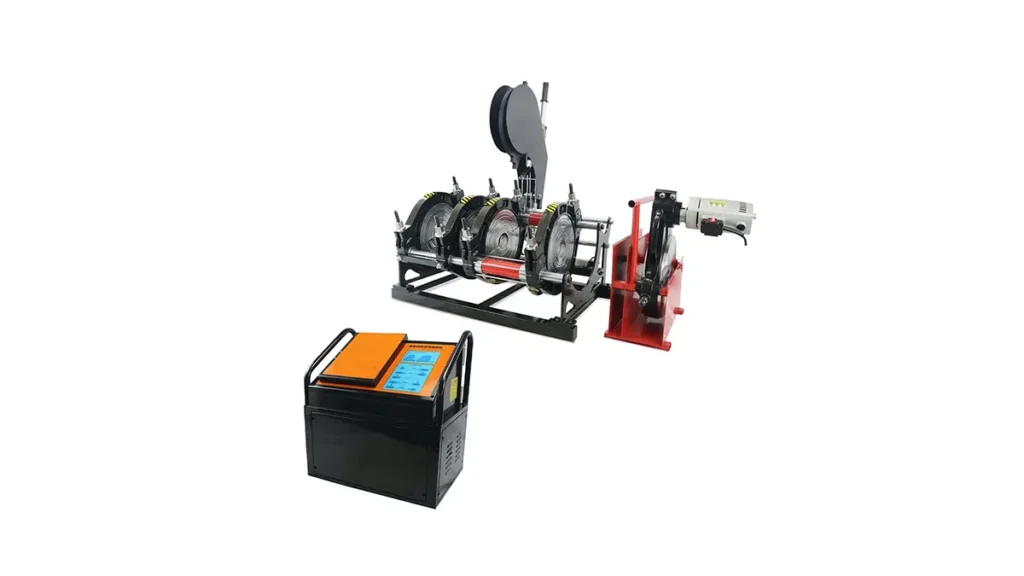
Choosing a reliable welding machine manufacturer is one of the most important decisions for any contractor, distributor, or pipeline project manager. A welding machine is not just a piece of equipment; it is a key factor that affects joint strength, installation speed, project safety, and long-term operating costs. If the manufacturer is unreliable, even a well-planned project can face delays, poor weld quality, repeated maintenance, and unexpected expenses. That is why buyers need to look beyond price and focus on manufacturing capability, product stability, technical support, and proven industry experience.
In today’s global pipeline market, the demand for dependable welding equipment continues to grow in water supply systems, gas distribution networks, mining projects, and industrial installations. Whether you are purchasing a manual unit for smaller jobs or a CNC automatic system for high-volume production, the right supplier should deliver consistency, customization, and support. For example, a trusted butt fusion machine manufacturer should be able to provide not only the machine itself but also the technical knowledge and service behind it.
The first thing to evaluate is whether the manufacturer has real industry experience. A company with more than 20 years of specialization in HDPE pipe welding machines, for instance, has likely encountered many application scenarios, project requirements, and customer challenges. That experience matters because it usually translates into better machine design, more practical features, and fewer production weaknesses. A long-established manufacturer is also more likely to understand international standards, export procedures, and the expectations of overseas buyers.
Experience alone is not enough, however. You should also review the manufacturer’s product range. A reliable supplier usually offers different machine types to suit different project conditions. These may include manual butt fusion welding machines, hydraulic butt fusion welding machines, CNC automatic systems, electrofusion welding machines, and multi-angle pipe fitting welding machines. When a manufacturer covers multiple categories, it is easier for customers to source a complete solution from one partner instead of managing several vendors. This can reduce communication issues and improve overall efficiency.
1. Check the Manufacturer’s Production Capability
One of the clearest signs of reliability is strong factory capability. A professional welding machine manufacturer should have modern production lines, precision machining equipment, and a clear quality control process. These resources directly affect how stable the finished machines are. Poor machining can lead to alignment issues, unstable hydraulic pressure, inaccurate temperature control, and reduced service life. By contrast, a well-equipped factory can maintain consistent tolerances and deliver equipment that performs reliably under demanding field conditions.
It is also a good sign when the manufacturer has experienced technicians and a structured production workflow. This indicates that the company can control quality from raw materials to final assembly. In practice, this means fewer defective units, better durability, and greater confidence in large-volume orders. If possible, ask the supplier for factory photos, production videos, or a virtual tour so you can better understand their manufacturing strength.
2. Pay Attention to Quality Control Standards
Reliable welding machines must perform accurately every time, especially in pipeline applications where joint strength is critical. That is why quality control should be a top priority when selecting a manufacturer. A dependable supplier will test key machine functions such as temperature accuracy, hydraulic pressure stability, and clamp alignment before delivery. These tests help ensure that the equipment can produce strong and consistent welds in real-world conditions.
Look for evidence of strict inspection procedures. For example, if the manufacturer mentions that every unit is tested before shipment, this is a positive sign. Comprehensive testing reduces the risk of breakdowns during installation and helps protect the contractor’s schedule and budget. In pipeline work, a single poor weld can create major problems later, so quality assurance should never be treated as optional.
Certifications also matter. Products certified by recognized organizations such as SGS often indicate that the manufacturer is committed to meeting international safety and reliability expectations. While certification alone cannot guarantee perfect performance, it does provide extra confidence that the machines have been evaluated according to accepted standards.
3. Evaluate Customization and OEM/ODM Support
Different projects require different machine configurations. Some buyers need special voltage options, while others need custom colors, branding, or dimensions tailored to a specific market. A reliable manufacturer should offer flexible OEM and ODM support so customers can adapt the equipment to their business goals. This is especially valuable for distributors who want to build their own brand identity and stand out in a competitive market.
Customization is not only about appearance. In many cases, project-specific requirements involve functional changes, operational optimization, or size adjustments for different pipe diameters. A manufacturer with a strong engineering team can work closely with customers to develop solutions that fit actual field needs. This level of collaboration shows that the supplier is not simply selling standard products, but is also capable of delivering practical, project-ready equipment.
When reviewing customization options, ask how the company handles design changes, sample approval, production timelines, and technical communication. The best manufacturers provide clear responses and help customers reduce risk throughout the development process.
4. Assess Technical Support and After-Sales Service
Even the best machine may need guidance during installation, operation, or maintenance. That is why technical support is a key part of manufacturer reliability. A strong supplier should respond quickly to questions, provide professional training, and assist with troubleshooting when needed. This support is especially important for overseas buyers who may face time zone differences or language barriers.
A trustworthy company will usually offer support from product selection through installation and after-sales service. This means customers can get help before purchase, during use, and after the machine is delivered. Such continuity reduces confusion and helps keep projects on schedule. Reliable logistics support is also important, since delays in shipping or missing parts can slow down project execution.
In the welding equipment business, after-sales support is often what separates a good manufacturer from a great one. If the supplier stands behind its machines with responsive service and practical guidance, buyers are more likely to achieve long-term success.
5. Consider Inventory, Delivery Speed, and Supply Stability
Fast delivery can be just as important as product quality, especially when projects are time-sensitive. A reliable manufacturer should maintain a well-organized inventory of key models to support both small and bulk orders. This helps reduce lead times and lowers the risk of delay when customers need equipment urgently. Stable stock supply is also a sign that the company has mature production planning and efficient inventory management.
For contractors working on large infrastructure projects, supply chain reliability can have a direct impact on profitability. If a machine arrives late, the entire installation schedule may be affected. A manufacturer that can provide ready stock and efficient global shipping helps customers minimize downtime and stay on budget. This is one of the reasons many buyers prefer suppliers with proven export experience and a strong international logistics network.
Fast shipping is valuable, but only if the machine is still properly inspected and packaged. Reliable manufacturers balance speed with quality control, ensuring that urgent deliveries do not come at the cost of product performance.
6. Review Industry Reputation and Real Application Performance
Another essential step is checking how the manufacturer performs in real-world projects. A supplier with proven success in water supply systems, gas distribution networks, mining projects, and industrial pipeline installations is usually a safer choice than one with no application record. Real performance matters because welding machines must operate reliably in different environments, under varying pressure, temperature, and workload conditions.
Customer feedback, case studies, and long-term cooperation records can offer useful insight. If the manufacturer has repeat clients, that often suggests satisfaction with product quality and service consistency. In many cases, distributors and contractors continue working with a supplier only when the machines perform reliably and the company communicates clearly.
You should also evaluate whether the manufacturer understands your market. A company that has exported to global markets is more likely to be familiar with local requirements, shipping norms, and technical expectations. This can save time during procurement and reduce the possibility of misunderstandings.
7. Look for a Complete Solution, Not Just a Machine
A reliable manufacturer does more than sell equipment. It helps customers choose the right model, understand the features, and use the machine effectively. The best suppliers provide a complete solution that includes consultation, customization, production, testing, delivery, and support. This approach is especially important for buyers who are not experts in welding technology and need practical guidance to make a smart purchasing decision.
For example, a manufacturer with a broad portfolio of hydraulic, automatic, electrofusion, and fitting welding machines can help customers scale their operations over time. As project needs grow, the buyer can source additional equipment from the same supplier and maintain consistency across the fleet. That reduces training complexity and improves operational efficiency.
A complete solution also means the manufacturer should be willing to discuss machine selection based on pipe diameter, project scope, working environment, and budget. This kind of consultative service is a strong indicator of professionalism.
8. Compare Value, Not Just Price
Many buyers make the mistake of choosing the lowest price without considering reliability, service life, or support. While cost is important, the cheapest machine is not always the most economical in the long run. Poor-quality equipment can lead to maintenance costs, replacement parts, operational delays, and welding failures. A reliable manufacturer may not always be the least expensive option, but it usually offers better total value.
When comparing suppliers, consider the full package: product quality, warranty, technical support, customization, shipping, and reputation. A machine that performs consistently and requires less downtime often delivers a better return on investment than a cheaper alternative. For contractors and distributors, long-term value should always outweigh short-term savings.
One practical approach is to ask the manufacturer to explain the difference between its models and the materials used in production. A transparent supplier will be able to justify its pricing and demonstrate why the equipment offers dependable performance.
9. Why JQ-Fusion Is an Example of a Reliable Manufacturer
JQ-Fusion is a professional manufacturer specializing in HDPE pipe welding machines, with over 20 years of industry experience. The company focuses on manual, hydraulic, and CNC automatic butt fusion welding machines, serving global pipeline projects with a strong emphasis on quality and durability. Its products are used in water supply systems, gas distribution networks, mining applications, and industrial pipeline installations.
The company’s strengths include advanced manufacturing technology, strict quality control, flexible OEM & ODM customization, and reliable global support. It also maintains a large inventory for fast delivery and offers full technical support from selection to after-sales service. These capabilities are exactly the kind of factors buyers should look for when choosing a trustworthy manufacturer.
For customers who need reliable equipment and responsive service, a supplier like JQ-Fusion can be a practical option because it combines production capability with market experience and project-oriented support. That combination is often what makes the difference between an ordinary vendor and a dependable long-term partner.
If your business depends on stable welding performance, it is worth choosing a manufacturer that can prove its reliability through experience, quality systems, customization ability, and global support.
Frequently Asked Questions
Q1: What is the most important factor when choosing a welding machine manufacturer?
The most important factor is overall reliability, which includes manufacturing capability, product quality, technical support, and proven industry experience.
Q2: Why should I care about factory production capability?
Because a well-equipped factory with skilled technicians is more likely to produce stable, accurate, and durable machines that perform consistently in real projects.
Q3: Is OEM and ODM customization necessary?
It depends on your business needs, but customization is very valuable for distributors, branded product lines, and projects with special voltage, design, or functional requirements.
Q4: How can I tell if a manufacturer offers good after-sales support?
Check how quickly they respond, whether they provide installation guidance and training, and whether they can help with troubleshooting and logistics after delivery.
Q5: Should I always choose the lowest-priced supplier?
No. A low price may hide poor quality or weak support. It is better to focus on total value, including reliability, service life, and long-term operating cost.