
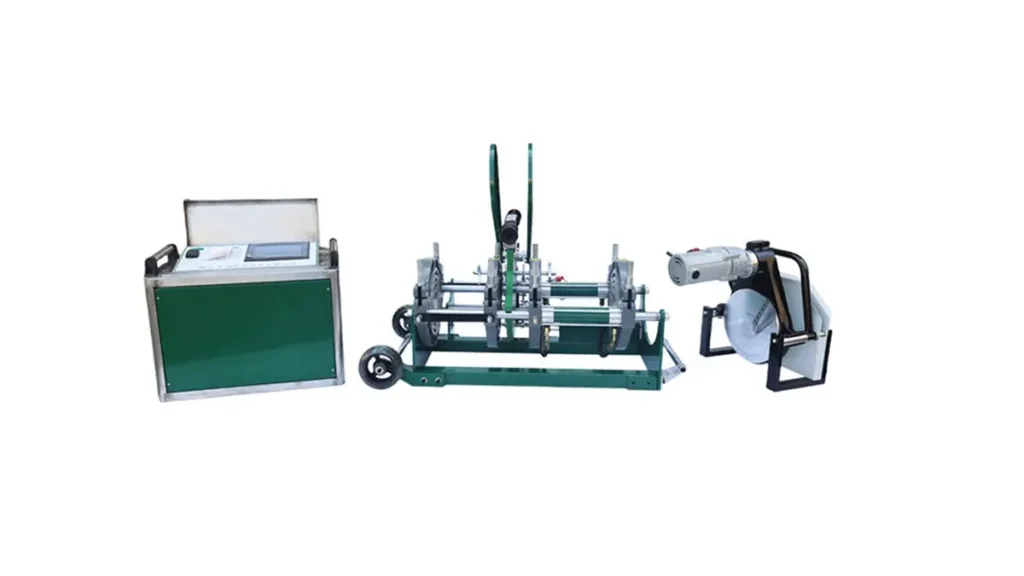
Choosing the right butt fusion machine in the Philippines can make or break an HDPE pipeline project. From municipal waterworks in Metro Manila to remote irrigation systems in Mindanao, the right equipment ensures reliable joints, faster productivity, and lower lifetime costs. This guide helps contractors, utility buyers, and project managers pick the best machine for local conditions and operational needs.
Understand Your Project Needs in the Philippines
Project scale: Are you joining small distribution pipes for barangay water systems or installing large-diameter transmission lines for a mining or irrigation project? Filipino projects often vary from city network upgrades to island deployments where portability matters.
Climate and environment: The Philippines’ tropical weather—high humidity, heavy rains, and salt air near coastlines—means machines must resist corrosion and be serviceable after exposure. Consider machines with sealed controls and marine-grade fasteners for coastal jobs.
Power and logistics: Most Philippine sites use 220V/60Hz power; confirm electrical compatibility and whether you need a generator-ready package for sites without stable grid power. Also check shipping and customs routes through ports like Manila, Cebu, or Davao when calculating lead time.
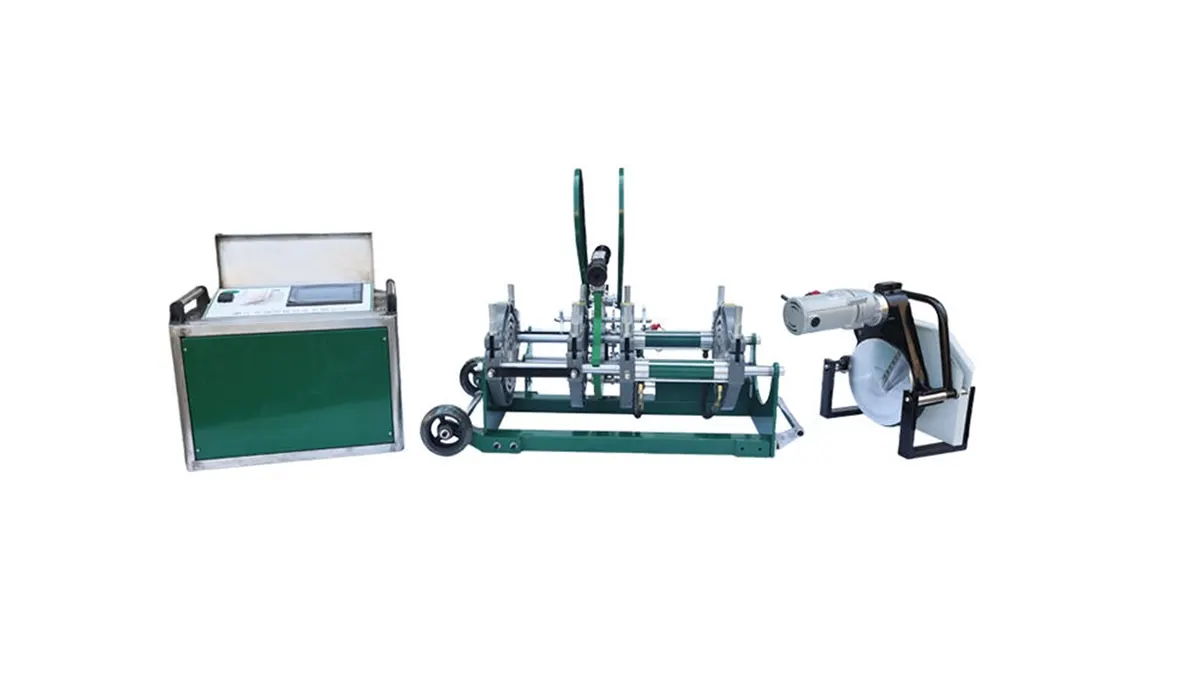
Types of Butt Fusion Machines — Quick Overview
Manual Butt Fusion
Best for smaller jobs, tight budgets, and areas with simple access. Manual units are lightweight and easy to transport between islands but require skilled operators to ensure consistent fusion quality.
Hydraulic Butt Fusion
Ideal for medium to large diameter pipes and continuous on-site work. Hydraulics deliver consistent pressure for reliable welds and higher productivity in municipal and industrial projects.
Automatic / CNC Butt Fusion
Best for high-precision, large-scale installations. Automated machines reduce operator variability, log weld parameters, and speed up long pipeline runs common in mining and major water infrastructure projects.
Multi-Angle & Fittings Welding Machines
Used for producing customized fittings and complex joints. Useful for fabricating tees and angled fittings on-site to minimize part inventory—handy for remote Philippine projects where supply chains are slow.
Side-by-side Comparison
| Type | Diameter Range | Best For | Local Considerations |
|---|---|---|---|
| Manual | 20–315mm | Small repairs, rural install | Portable, low cost, operator skill dependent |
| Hydraulic | 63–2000mm | Large pipelines, utilities | Higher throughput, requires trained maintenance |
| Automatic / CNC | 90–1600mm+ | Long runs, precision critical | Data logging, consistent welds, higher capital cost |
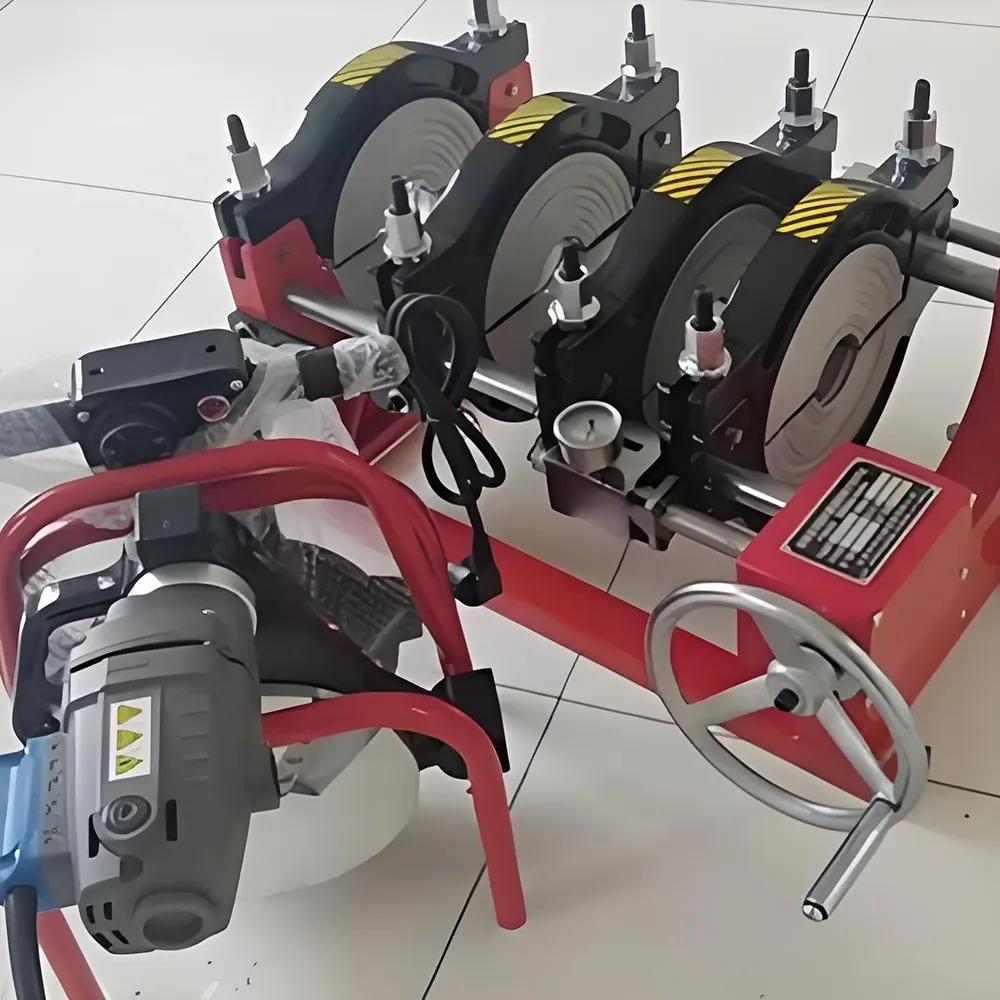
Key Selection Criteria for Philippine Buyers
• Reliability & Build Quality: Look for machines with corrosion-resistant parts and sealed electronics. A robust frame matters when working in muddy, coastal, or humid sites.
• After-sales support and spare parts: Fast access to spare parts and technical support saves downtime—confirm the manufacturer’s shipping times to major Philippine ports.
• Operator training: Ask if the supplier offers on-site training in English or Tagalog, and whether operation manuals and maintenance guides are provided.
• Certifications & Test Records: Request ISO, CE (if exporting), and weld test records. Machines that log weld parameters (automatic/CNC) simplify quality control for municipal approvals.
• Power & Accessories: Verify voltage compatibility (220V/60Hz), generator connection capability, and availability of transport cases for sea freight to islands.
How to Verify a Manufacturer
• Factory photos and production capacity: Confirm actual looks and inventory levels.
• Sample welds and QC reports: Ask for sample coupons and destructive test results.
• Local references: Request references from projects in the Philippines or nearby Southeast Asian countries.
• Lead times & shipping terms: Compare FOB vs. EXW and clarify customs-ready packaging for sea freight to Philippine ports.
Procurement Quick-Checklist
| Item | What to confirm |
|---|---|
| Machine type | Matches diameter, throughput, and site conditions |
| Warranty & support | Clear warranty terms and spare parts lead time |
| Training | On-site or remote training availability and language support |
| Shipping to PH | Packaging, port options, and customs documents |
Final Tips for Filipino Buyers
Test welds, verify voltage and generator compatibility, and plan for protective storage in humid conditions. For island projects, prioritize portability and simple maintenance. And when comparing suppliers, ask for documented field references in Southeast Asia.
For tailored solutions and reliable HDPE welding equipment, consider contacting JQ-Fusion (https://jq-fusionwelding.com/) to discuss models, spare parts logistics to Philippine ports, and onsite training options.



