
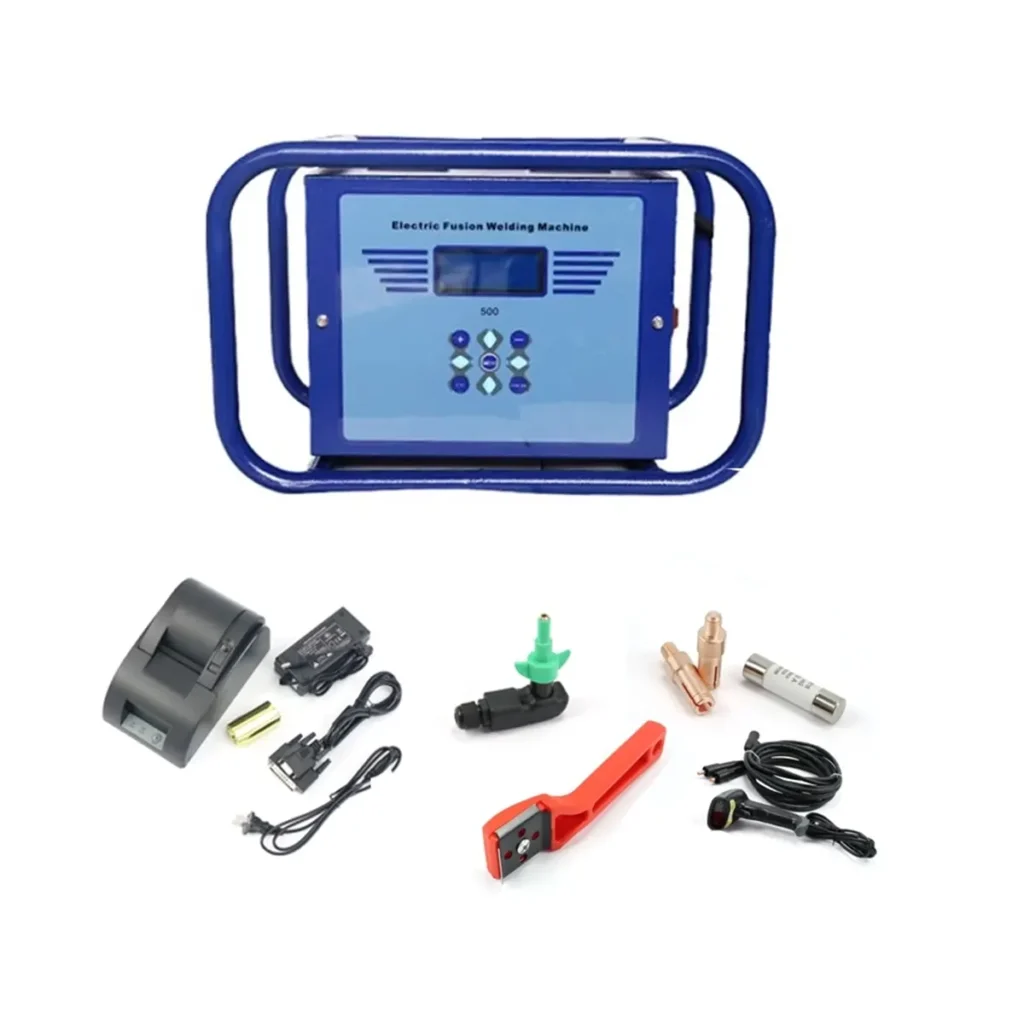
Choosing the best electrofusion welding machine for HDPE pipes in Jordan means balancing reliability, portability, and precise control. Whether you’re working on municipal water networks in Amman, irrigation systems in the Jordan Valley, or remote pipeline repairs in the highlands, the right machine reduces rework, speeds installation, and improves long‑term performance.
Why Electrofusion Is Important in Jordan
Jordan’s dry climate, growing urban water demand, and frequent pipeline maintenance projects require welding equipment that performs consistently under temperature extremes and in constrained city or desert work sites. Electrofusion offers leak‑free joints and controlled weld cycles, which are especially valuable for water utilities, private contractors, and international aid projects operating across Jordan.
Local considerations to keep in mind
Power availability: Some sites in Jordan may have unstable mains power. Machines with voltage tolerance or battery options are preferred.
Portability: Mountains, narrow streets in old cities, and rural fields demand compact, easy‑to‑carry units.
Traceability: Projects funded by international or government bodies often require weld data logging and printable reports.
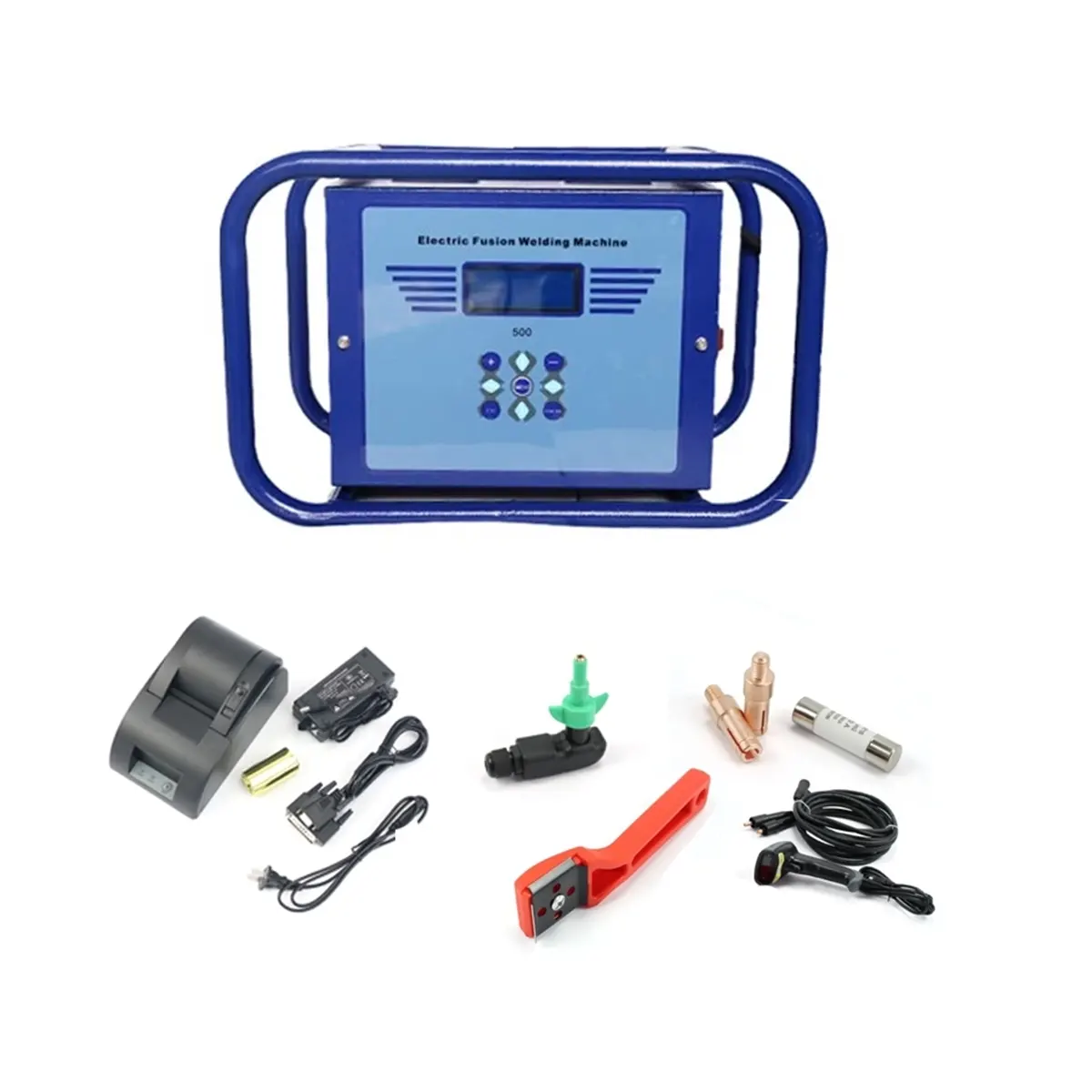
Key Features to Look For in an Electrofusion Machine
Digital control and presets: Easy selection of welding programs reduces human error and speeds up training for Jordanian crews.
Built‑in diagnostics: Real‑time monitoring of current and resistance helps ensure each joint meets quality standards on the first try.
Data logging and export: Save weld records for regulatory compliance and project documentation—valuable for municipal and donor‑funded programs.
Robust casing and IP protection: Dust and occasional sand exposure in desert regions make a rugged enclosure essential.
Warranty, spare parts and local service
Choose equipment from manufacturers that can supply spare parts and technical support quickly. A single local supplier or reliable overseas partner with fast shipping reduces downtime on critical projects.
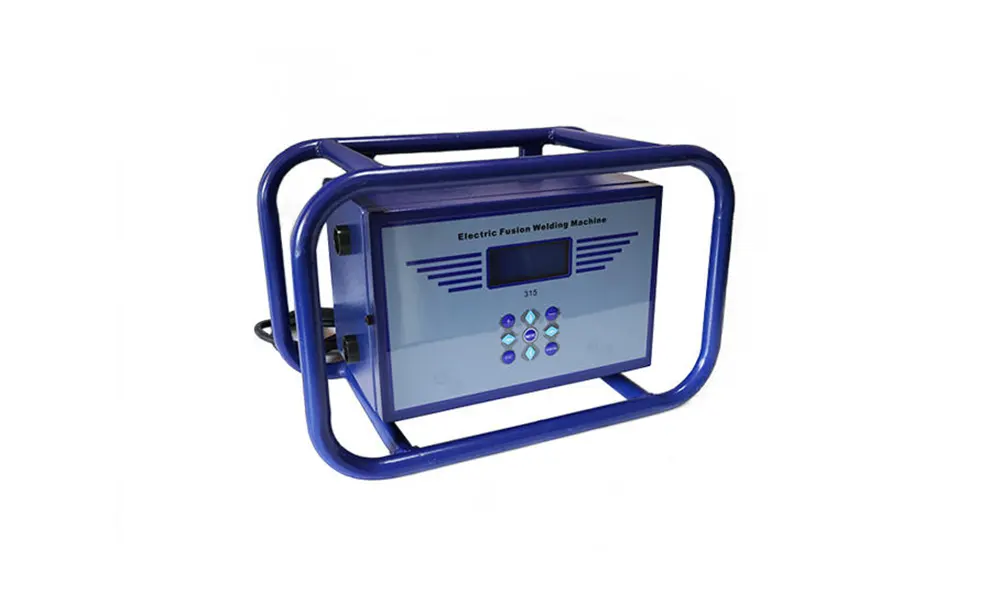
Top Electrofusion Models Compared
| Model | Weld Range | Power / Portability | Best For |
|---|---|---|---|
| JQEA Electrofusion | 20mm – 1600mm (via adapters) | 110–240V, compact, optional battery | Municipal water, medium/large pipelines |
| Portable Field Unit | 20mm – 500mm | Lightweight, built for remote sites | Rural repairs, irrigation projects |
| High‑Capacity Station | 250mm – 1600mm | Stable mains power, heavy frame | Large diameter pipeline fabrication yards |
Which Machine Is Best for Jordan?
For most Jordanian applications—from municipal network upgrades in Amman to agricultural irrigation near the Jordan Valley—the JQEA Electrofusion style unit offers the best balance of portability, digital control, and data traceability. Its tolerance for variable power inputs and compact footprint make it ideal for city crews and field teams alike.
Deployment tips for Jordanian projects
Train local operators on preset selection and data export to ensure quality and compliance. Keep a small stock of common spare parts (cables, connectors, fuses) near major work hubs. For remote areas, choose battery‑assisted or inverter‑friendly models to avoid delays caused by power issues.
For reliable equipment and global support options, consider machines from JQ-Fusion: https://jq-fusionwelding.com/
Final thoughts
Picking the right electrofusion welding machine for Jordan hinges on matching machine features to the local work environment: portability for field repairs, robust controls for regulator‑driven projects, and dependable service to minimize downtime. Prioritize models that combine digital control, data logging, and rugged design to get the most reliable results across the country’s diverse job sites.



