
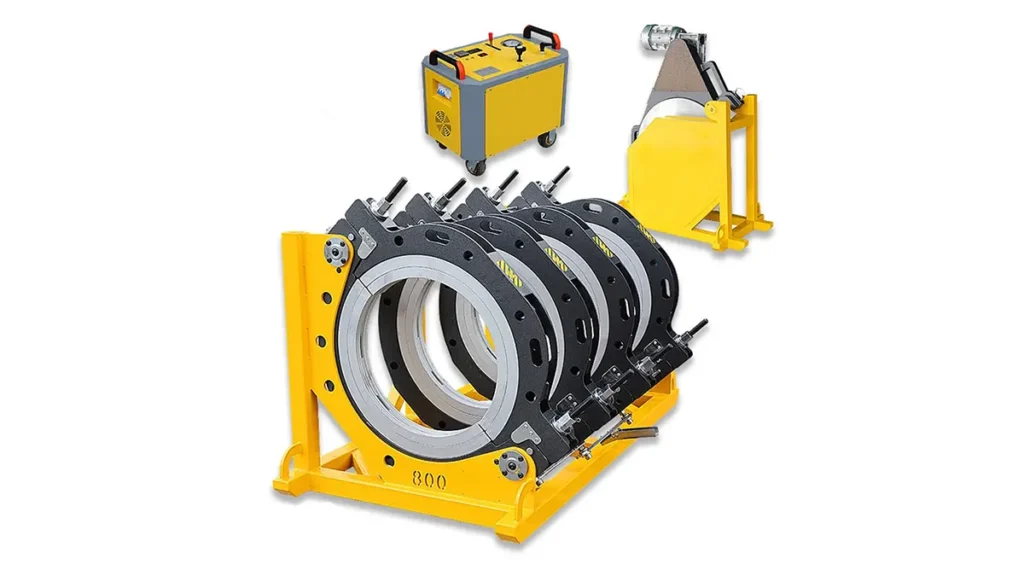
Hydraulic butt fusion welding machines are the backbone of reliable HDPE pipeline installation across Georgia — from urban water networks in Tbilisi to irrigation systems in Kakheti and gas distribution projects along the Black Sea coast. This guide explains why hydraulic units are preferred, typical applications across Georgian infrastructure, buying tips, expected price ranges, and how to get local support.
Why Georgian contractors prefer hydraulic butt fusion
Hydraulic butt fusion machines deliver consistent, high-pressure fusion that meets strict joint integrity requirements used in municipal water, gas, and industrial pipelines. In Georgia’s varied climate and terrain — including mountainous regions where access is limited — hydraulic systems offer repeatable weld quality, stronger welds for large-diameter pipes, and faster cycle times compared with manual alternatives.
Key advantages for local projects include improved welding control under field conditions, compatibility with wide OD ranges, and robust frames designed for repeated transport between remote sites and urban construction zones.
Common applications in Georgia
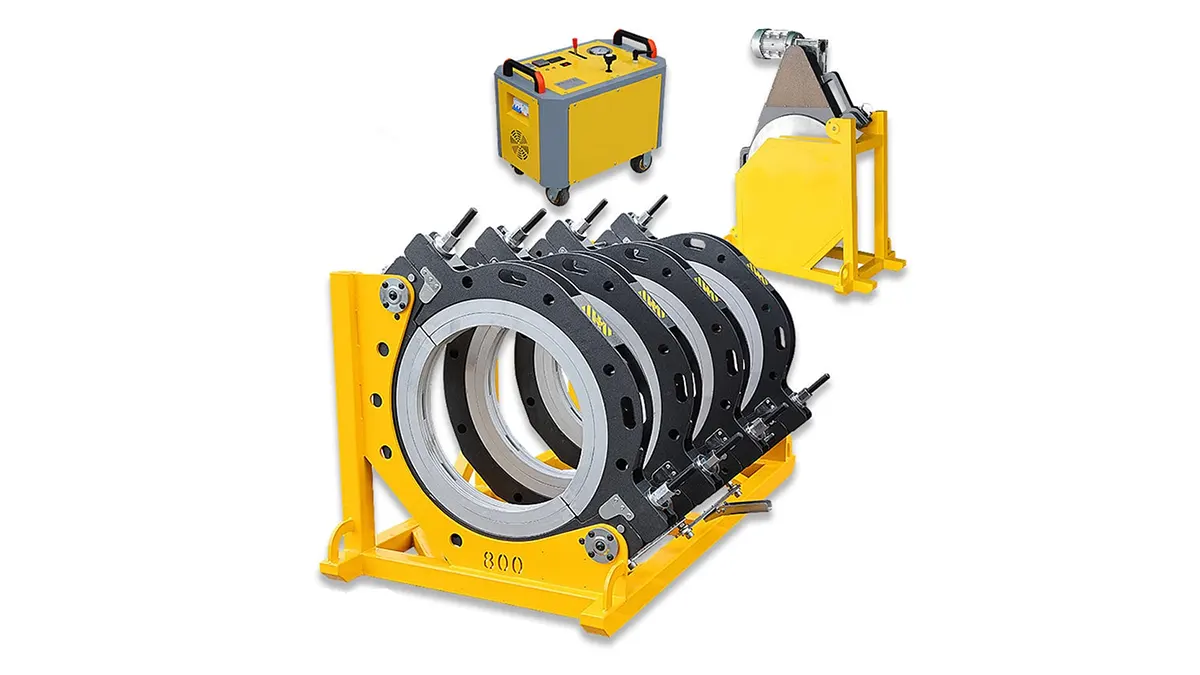
Hydraulic butt fusion machines are used across multiple sectors in Georgia:
– Water supply & sewer networks (Tbilisi, Kutaisi): reliable, long-life joints for potable water distribution.
– Agricultural irrigation systems (Kakheti, Kvemo Kartli): flexible HDPE pipelines for seasonal irrigation and drip systems.
– Gas distribution and low-pressure gas mains: approved fusion joints that meet regulatory standards for safety.
– Mining and industrial pipelines in mountainous regions: large-diameter and high-pressure lines where weld strength is critical.
How to choose the right hydraulic butt fusion machine
Selecting a machine depends on project scope, pipe diameters, and site logistics:
– Pipe diameter range: small jobs (160–400mm) vs large municipal mains (up to 2000mm) — choose a frame rated for the maximum OD you plan to weld.
– Portability: lightweight hydraulic units for narrow mountain roads vs heavy-duty stationary frames for yard and factory welding.
– Automation level: semi-automatic controllers speed up cycles and reduce operator variability; fully automatic CNC systems are best for high-volume projects.
– Power source & heater plate compatibility: ensure your site has compatible generators and that heating plates meet PE material requirements.
Estimated prices & model comparison
Below is a practical pricing reference for commonly used hydraulic butt fusion machines. Prices are approximate and depend on configuration, accessories, shipping to Georgia, and local taxes.
| Model / Type | Typical Pipe Range (mm) | Key Features | Price (USD, approx.) |
|---|---|---|---|
| Compact Hydraulic Frame | 63–315 | Portable, field-ready, manual clamps | $4,000 – $9,000 |
| Standard Hydraulic Unit | 160–800 | Hydraulic power pack, stronger clamping | $9,000 – $22,000 |
| Large-Diameter Hydraulic Frame | 800–1600+ | Heavy-duty frame, high-pressure cylinders | $25,000 – $80,000+ |
| CNC/Automatic Hydraulic System | 63–1000 | Digital control, weld logging, repeatable cycles | $20,000 – $120,000 |
Buying considerations and local support in Georgia
When purchasing in Georgia, account for freight to Tbilisi or Batumi, customs clearance, and on-site training. Many contractors benefit from purchasing machines with a spare parts kit (heating plates, hydraulic hoses, seals) and training for weld operators to comply with local standards. For medium-to-large projects consider extended warranties and a parts lead-time agreement to minimize downtime.
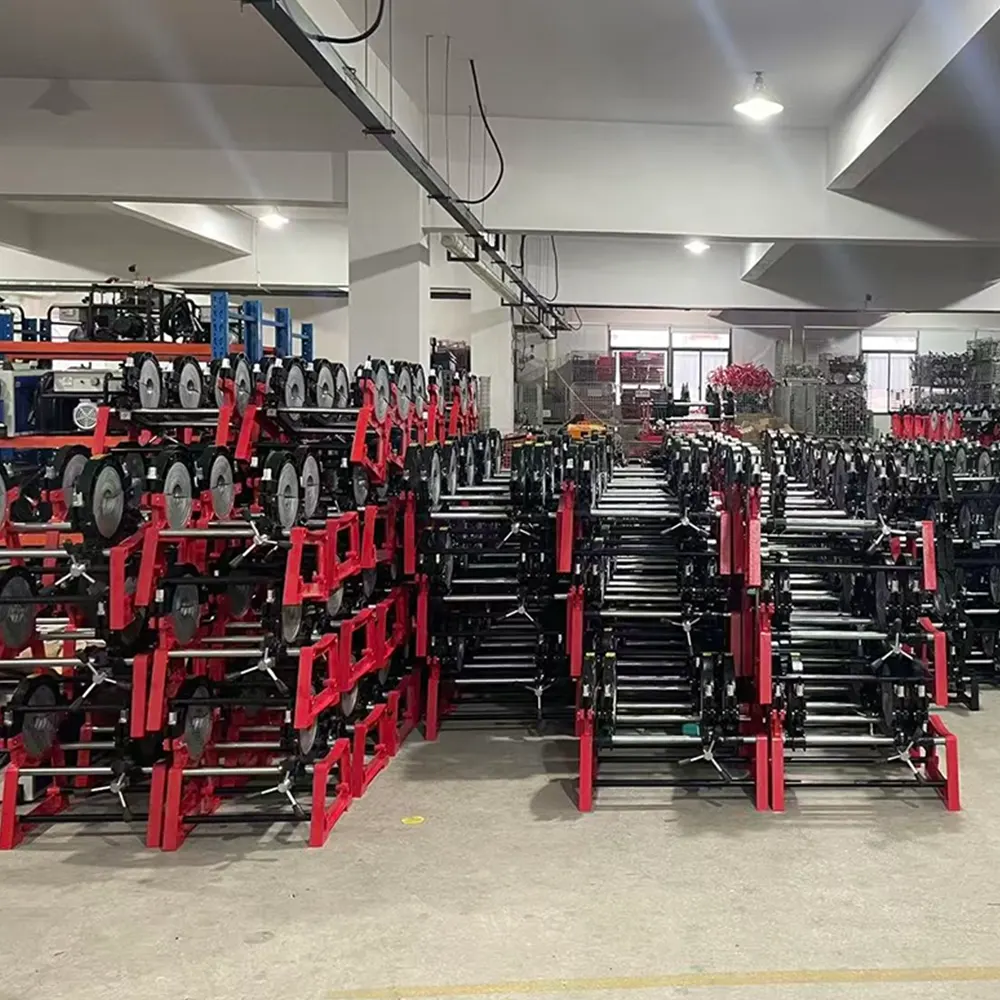
For dependable manufacturing quality and a broad product range, check the manufacturer’s factory certifications and global references. JQ-Fusion provides models across manual, hydraulic, and automatic ranges and can advise on configurations suited to Georgian projects.
Next steps — evaluate & request quotes
Prepare a short project brief (pipe diameters, material specification (HDPE PE80/PE100), expected annual weld count, and site access constraints) and request quotations to compare configurations, lead times, and shipping to Georgia. Ask suppliers for sample weld logs, training options, and spare-parts lists before committing. Quick decisions are rewarded during Georgia’s short favorable-weather construction windows.
Learn more, compare models, and request a quote by visiting: jq-fusionwelding.com



