
Plastic pipe CNC welding machines bring repeatable precision, faster cycle times, and automated documentation to HDPE, PP, and other thermoplastic pipeline projects. This guide covers key features, real-world benefits, and a practical buying checklist to help contractors, municipal utilities, and OEMs choose the right CNC butt-fusion welder for blue‑chip pipeline installations.
What a CNC Plastic Pipe Welding Machine Does
A CNC (Computer Numerical Control) plastic pipe welding machine automates the butt fusion process: alignment, facing, heating, fusion with controlled force and time, and cool-down. By following programmed parameters it produces uniform welds that meet industry standards for strength and leak resistance.
Typical Applications
Used across water supply, gas distribution, sewer and drainage, mining, and industrial piping projects where consistent, certified joints are required over long pipeline runs.
Core Features to Look For
Precision Control & Interface
Look for an intuitive HMI with programmable recipes for different materials and diameters, digital pressure monitoring, and step-by-step welding protocols to reduce operator error.
Hydraulic Drive & Force Management
Stable hydraulic systems with accurate force feedback ensure correct fusion pressure during heating and consolidation phases, improving joint integrity and repeatability.
Integrated Facing & Heater Systems
High-quality facing units and flat heating plates with uniform temperature distribution reduce cold spots and trimming variance for consistent weld surfaces.
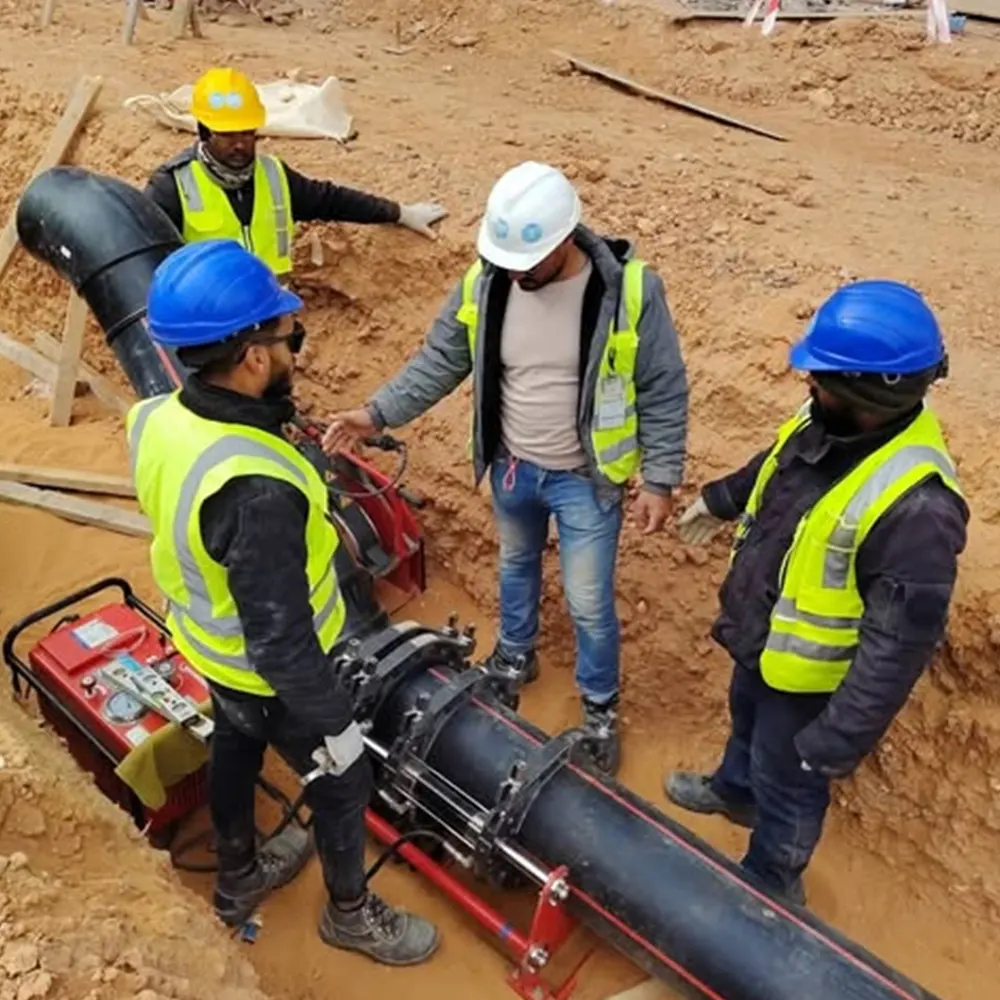
Benefits: Why CNC Beats Manual Welding
Higher consistency: Automated cycles eliminate much of the operator variability common with manual fusion.
Traceability: Many CNC units log weld reports including pressures, temperatures, and times—essential for compliance and QC.
Faster throughput: Optimized cycles and less rework accelerate project completion and reduce labor costs.
Cost of Ownership
Although CNC welders have a higher initial investment than manual machines, they typically lower total lifecycle costs via reduced rejects, fewer repairs, and better resource planning.
Quick Comparison Table
| Feature | Why it matters | Typical Spec to Seek |
|---|---|---|
| CNC Controller | Repeatable program-driven welds | Touchscreen HMI, recipe library |
| Hydraulic system | Accurate force and smooth movement | Closed-loop feedback, 0–X kN control |
| Heating plate | Even heating prevents cold welds | Uniform temp ±2°C, quick heat-up |
Buying Guide: How to Choose the Right Machine
1. Match Capacity to Pipe Range
Confirm the machine supports the pipe diameters and SDR classes you use most frequently. Buying a machine beyond your needs increases costs; under-spec’ing forces bypassing or renting larger equipment later.
2. Check Automation & Reporting
For municipal and commercial projects, welder traceability is crucial. Choose CNC systems that export weld logs and support software updates for future standards.
3. Evaluate Field Robustness
Assess portability, power options (diesel generator compatibility or mains), and protection for electronics—many projects operate in remote or wet conditions.
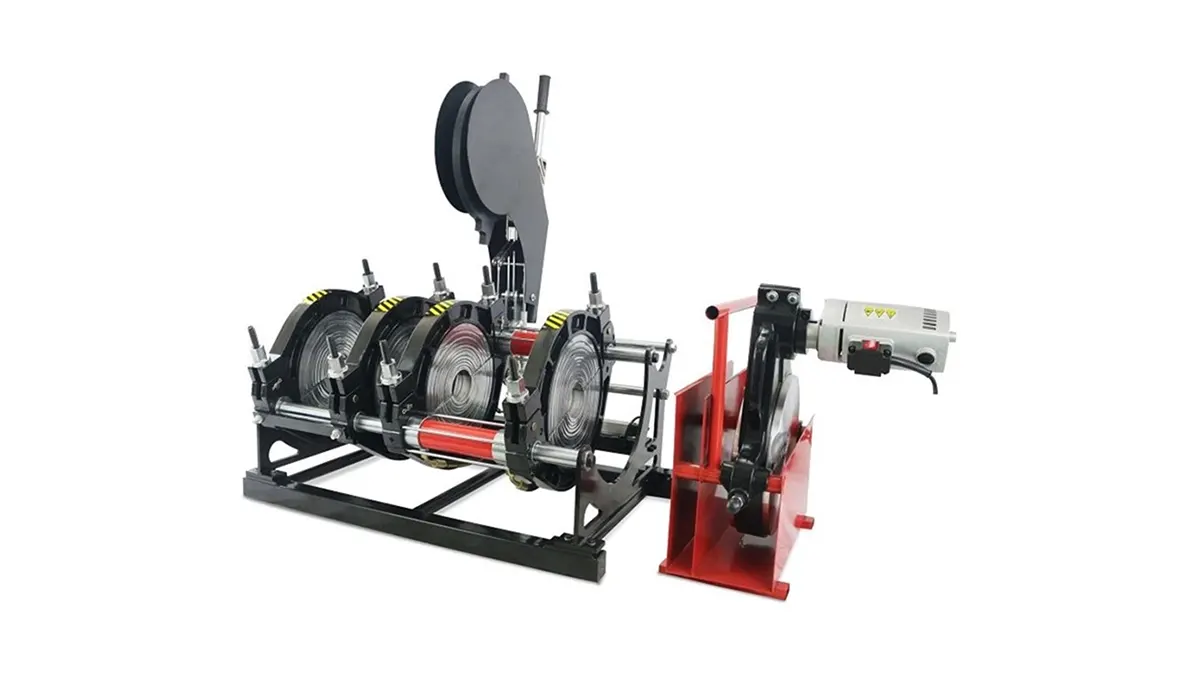
4. Service, Spare Parts & Training
Ensure access to spare parts, trained technicians, and operator training packages. A single well-supported manufacturer relationship can minimize downtime.
Essential Questions to Ask Your Supplier
– Can the controller program multiple materials and SDRs?
– Is weld data export included? What format?
– What is the warranty and spare-parts lead time?
Installation & Best Practices
Train crews on facing technique, plate care, and proper clamping. Verify ambient conditions and follow material-specific parameters for heating time and fusion pressure. Regular calibration of force and temperature sensors preserves weld quality.
Conclusion
Investing in a CNC plastic pipe welding machine can dramatically raise productivity and quality for infrastructure projects. For proven solutions and support, contact JQ-Fusion at https://jq-fusionwelding.com/ to explore models and specifications tailored to your pipeline needs.



