
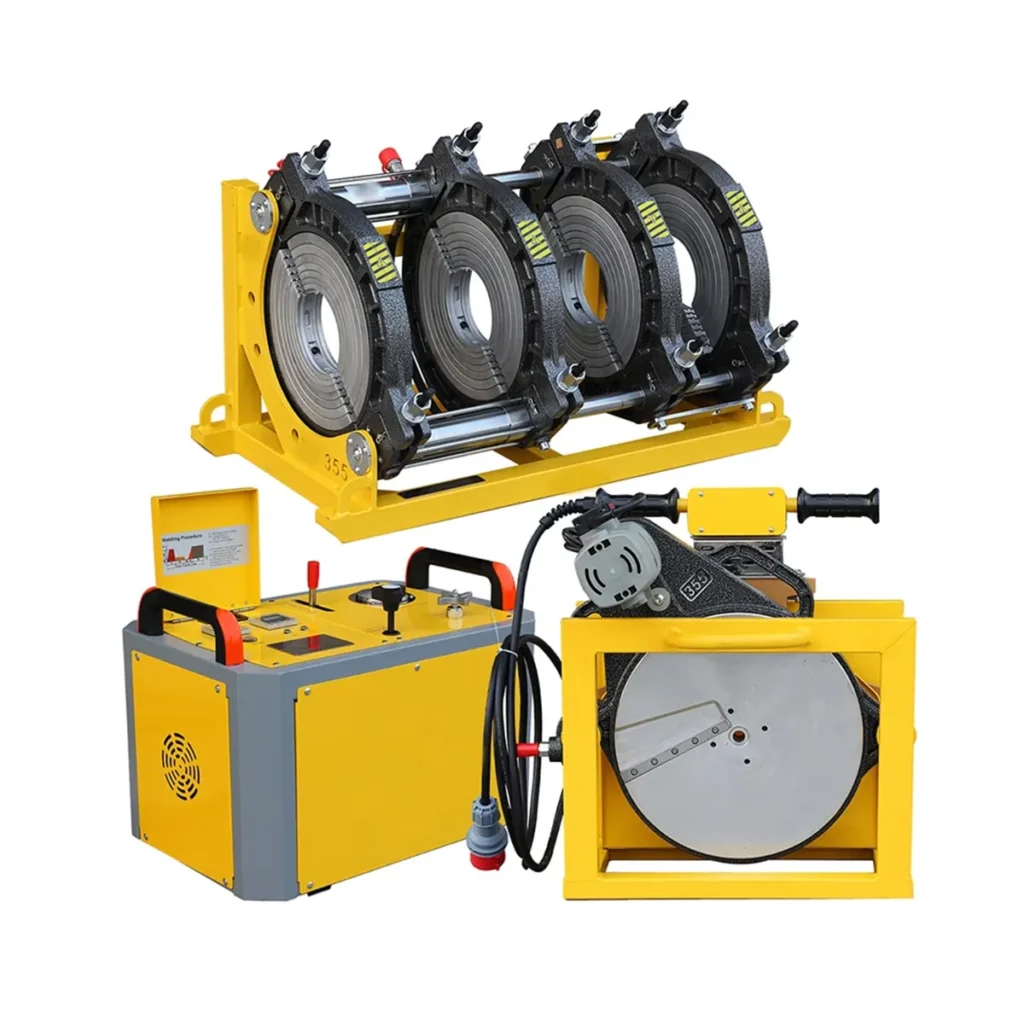
HDPE pipe networks are expanding across Ireland—from municipal water upgrades in Dublin to rural drainage and renewable energy projects in the west. Reliable jointing equipment is essential for long-lasting pipelines; using the right HDPE jointing machines ensures consistent butt fusion welds, faster installation, and compliance with Irish and EU standards.
Why Butt Fusion is the Preferred Method in Ireland
Butt fusion welding produces homogeneous, leak-free joints ideal for the island’s varied conditions: heavy rainfall, frost cycles, and coastal environments. Key advantages include:
- Durability: seamless joints reduce failure risk in long-term potable water and gas distribution systems;
- Flexibility: suitable for small-diameter service lines up to large-diameter trunk mains used in water transfer and energy projects;
- Field efficiency: portable manual and hydraulic units speed up repairs and installations in remote or urban sites;
- Regulatory alignment: compatible with EN and national specifications used by Irish contractors and utilities.
Typical Irish Applications
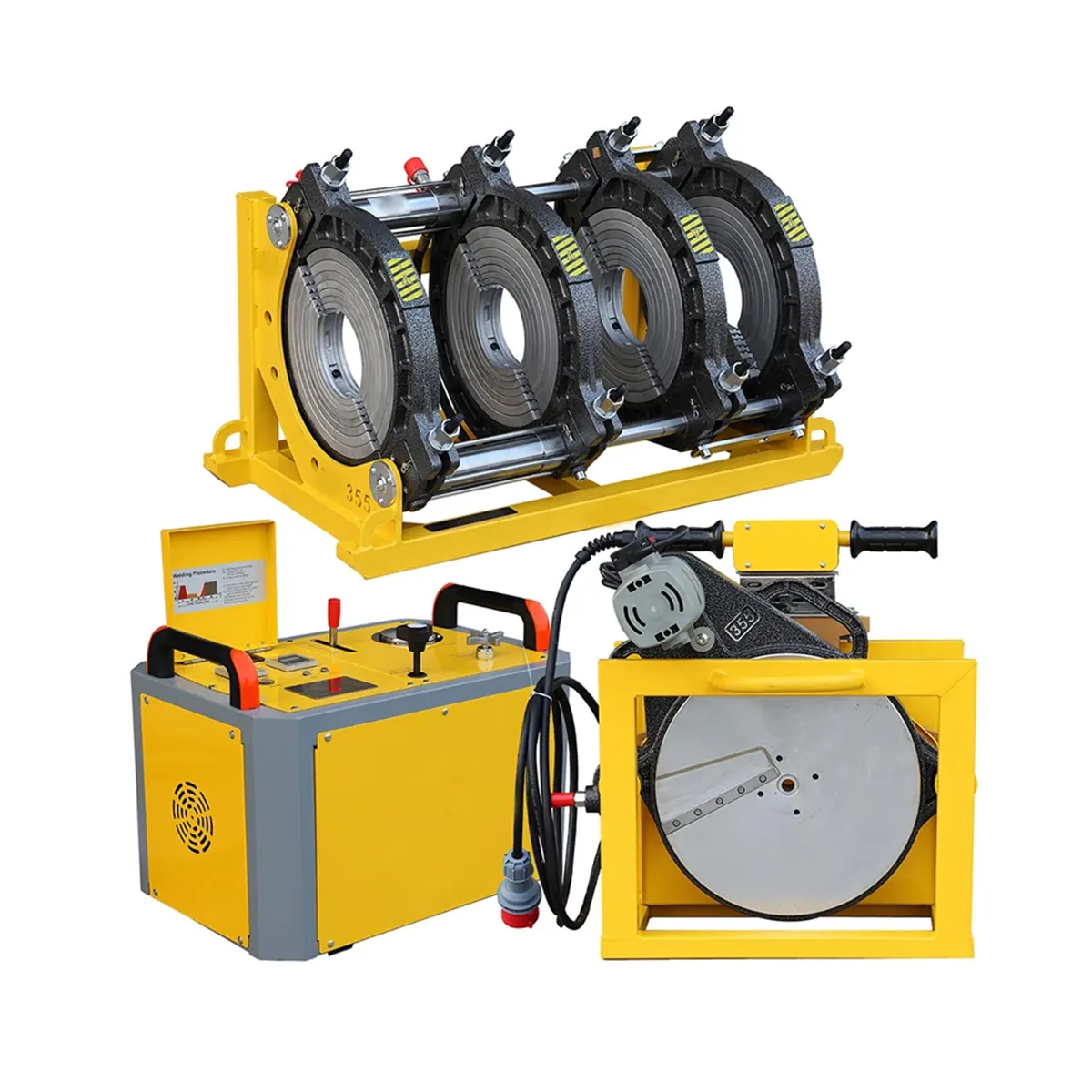
Construction and maintenance teams across Ireland rely on HDPE jointing machines for:
- Municipal water distribution and wastewater networks
- Rural and agricultural drainage systems
- Gas distribution and utility service connections
- Renewables and district heating pipelines
- Mining, industrial and landfill containment projects
Product Range & Solutions
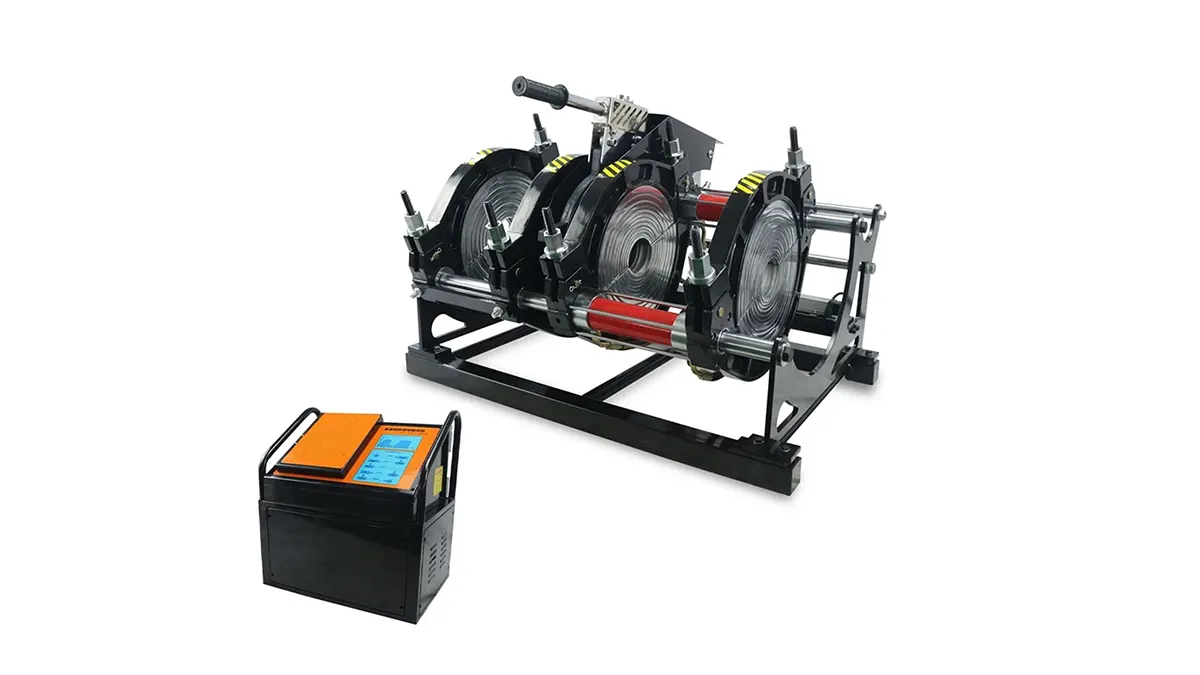
Choose from manual, hydraulic and CNC automatic butt fusion machines depending on project scale and site constraints. Below is a quick comparison to help Irish contractors select the right tool.
| Machine Type | Pipe Range | Best For |
|---|---|---|
| Manual Butt Fusion | 20–400 mm | Small teams, service connections, rural repairs |
| Hydraulic Butt Fusion | 160–1400+ mm | Trunk mains, large-diameter pipelines |
| CNC Automatic Butt Fusion | 63–630 mm (typical) | High-volume projects, repeatable weld quality |
Installation Best Practices for Irish Conditions
To protect pipeline integrity in Ireland’s climate, follow these practical steps:
- Keep fusion surfaces dry and free of contaminants before heating;
- Use calibrated heaters and scrapers; document temperatures and times for traceability;
- Choose appropriate clamps and support for sloped or uneven trench beds common to rural terrain;
- Train teams on fusion parameter adjustment for colder ambient temperatures during winter works.
Safety, Certification & Training
Health & safety and certification matter to Irish contractors and public bodies. Operators should receive accredited training in butt fusion techniques and record weld data for compliance. Machines with intuitive controls and digital logging simplify this process and help meet procurement requirements.
Service & Local Support Considerations
Look for suppliers that offer spare parts, user manuals, and responsive after-sales service to minimise downtime on site. Availability of consumables, heater elements and clamping accessories locally or via fast shipping is a major advantage for project continuity.
About the manufacturer: JQ-Fusion is a professional manufacturer specializing in HDPE pipe welding machines, offering manual, hydraulic, and CNC automatic butt fusion solutions for a wide range of pipe sizes and infrastructure applications. Visit JQ-Fusion for model specifications, certifications, and support options tailored to Irish pipeline projects.



