
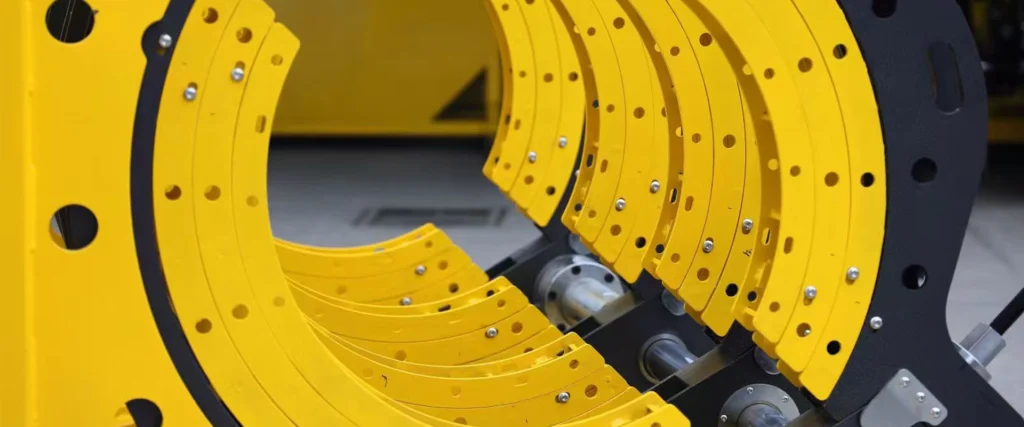
Butt fusion machines are essential equipment for joining HDPE pipes used in South Africa’s water supply, mining, and gas distribution projects. This guide explains what a butt fusion machine is, how it works, and how South African contractors and engineers can choose the right model for local conditions.
What Is a Butt Fusion Machine?
At its core, a butt fusion machine heats the ends of two thermoplastic pipes and presses them together to form a permanent, leak-free joint. The process is widely used for HDPE pipelines due to its strength, chemical resistance, and long-term durability. In South Africa, butt fusion is commonly applied in municipal water works, irrigation schemes, mining tailings and slurry pipelines, and LPG or gas distribution networks.
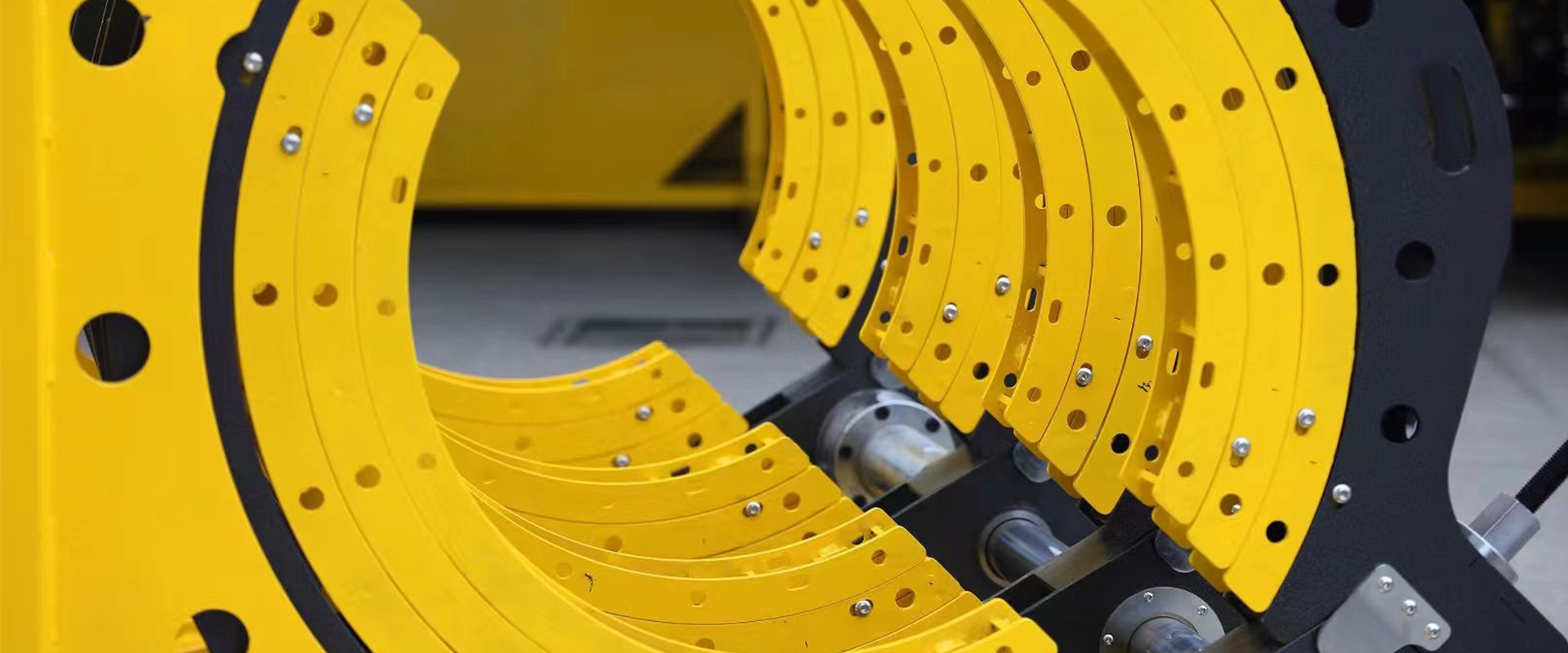
Why Butt Fusion Suits South African Projects
South African projects often face harsh environments—high UV exposure, temperature swings, and remote job sites. Butt fusion joints provide robust performance under these conditions: they are corrosion-free, flexible under thermal movement, and ideal for long runs where reliability is critical. The method also reduces onsite leak risks, which is a major benefit for water-scarce regions and high-value mining operations.
How Butt Fusion Works: A Simple Overview
Butt fusion typically follows these steps: align the pipe ends in a clamp frame, face-trim the ends for flatness, heat both ends with a hot plate to melt the surfaces, remove the plate and press the melted ends together under controlled pressure until they fuse. Automated controllers and sensors in advanced machines ensure consistent temperature, pressure and hold time for high-quality joints.
Common Types of Butt Fusion Machines
Manual units are portable and cost-effective for small-diameter pipes and remote sites. Hydraulic machines add power and precision for medium to large diameters, while automatic/CNC systems deliver repeatable, data-logged welds for high-volume or quality-sensitive projects.
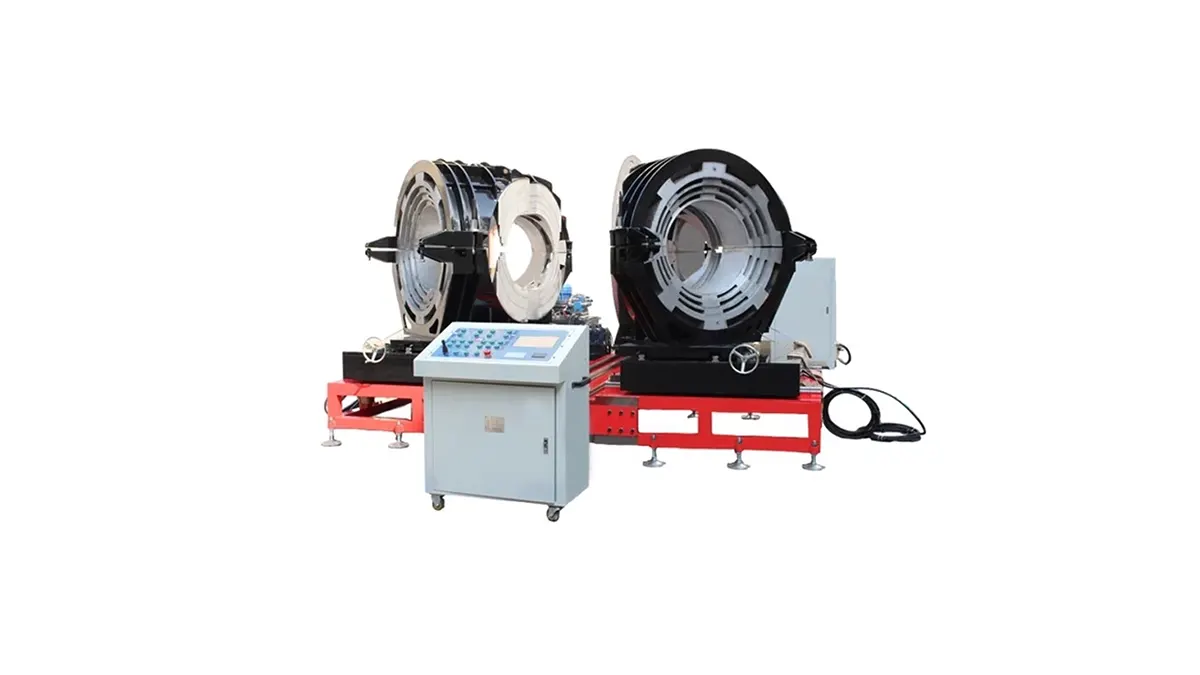
Choosing the Right Machine in South Africa
Selecting the best butt fusion machine depends on pipe size, site conditions, workforce skill, and project scale. Below are the practical criteria to evaluate before purchase.
Key Selection Criteria
Pipe diameter range: Ensure the machine supports the full range of diameters used on your projects (from small 20–63mm up to large 2000mm+).
Mobility vs. power: For rural repairs and remote installations, portable manual units are advantageous. Urban or factory-based production benefits from hydraulic or automatic units with higher throughput.
Automation and traceability: Automatic/CNC machines offer digital control and weld logs—a valuable feature for municipal contracts and mining standards compliance.
Service & spare parts availability: Choose a supplier with prompt support options for South Africa to minimize downtime in critical projects.
Training and certifications: Look for machines backed by operator training and clear quality procedures to ensure consistent joint integrity across teams.
Quick Comparison Table
| Machine Type | Best For | Pros | Cons |
|---|---|---|---|
| Manual | Small jobs, remote sites | Lightweight, low cost | Operator-dependent consistency |
| Hydraulic | Medium to large diameters | Stable pressure, robust | Heavier, higher cost |
| Automatic / CNC | High-volume, regulated projects | Traceability, precision | Premium price, needs trained staff |
Practical Tips for South African Buyers
When procuring equipment in South Africa, consider local terrain and logistics. Machines with modular frames and removable power units transport more easily to mine sites and rural pipeline projects. Check that electrical and hydraulic systems are compatible with local supply and that spares can be shipped or stocked regionally.
Also confirm UV-resistant components and corrosion-resistant finishes when machines will be stored outdoors near coastal areas.
Maintenance & Training
Plan for routine calibration of heaters, inspection of clamping faces, and replacement of wear parts. Investing in operator training ensures weld quality and extends equipment life—especially important for projects under municipal or mining quality systems.
Where to Source Reliable Machines
For global-grade butt fusion equipment with options across manual, hydraulic and automatic models, consider established manufacturers who can support export and after-sales service. JQ-Fusion (https://jq-fusionwelding.com/) offers a wide range of HDPE pipe welding machines suitable for South African infrastructure and mining demands.
Final Checklist Before Purchase
Confirm supported pipe diameters, site mobility needs, automation level, warranty terms, spare parts lead times for South Africa, and operator training availability. Selecting the right machine reduces rework, improves safety, and protects project budgets over the pipeline lifetime.
Start with the right fit
Choosing the appropriate butt fusion machine for South African conditions means balancing portability, precision and service support. The result is durable HDPE joints that stand up to local climates and industrial demands—saving time and protecting critical water and energy infrastructure.



