
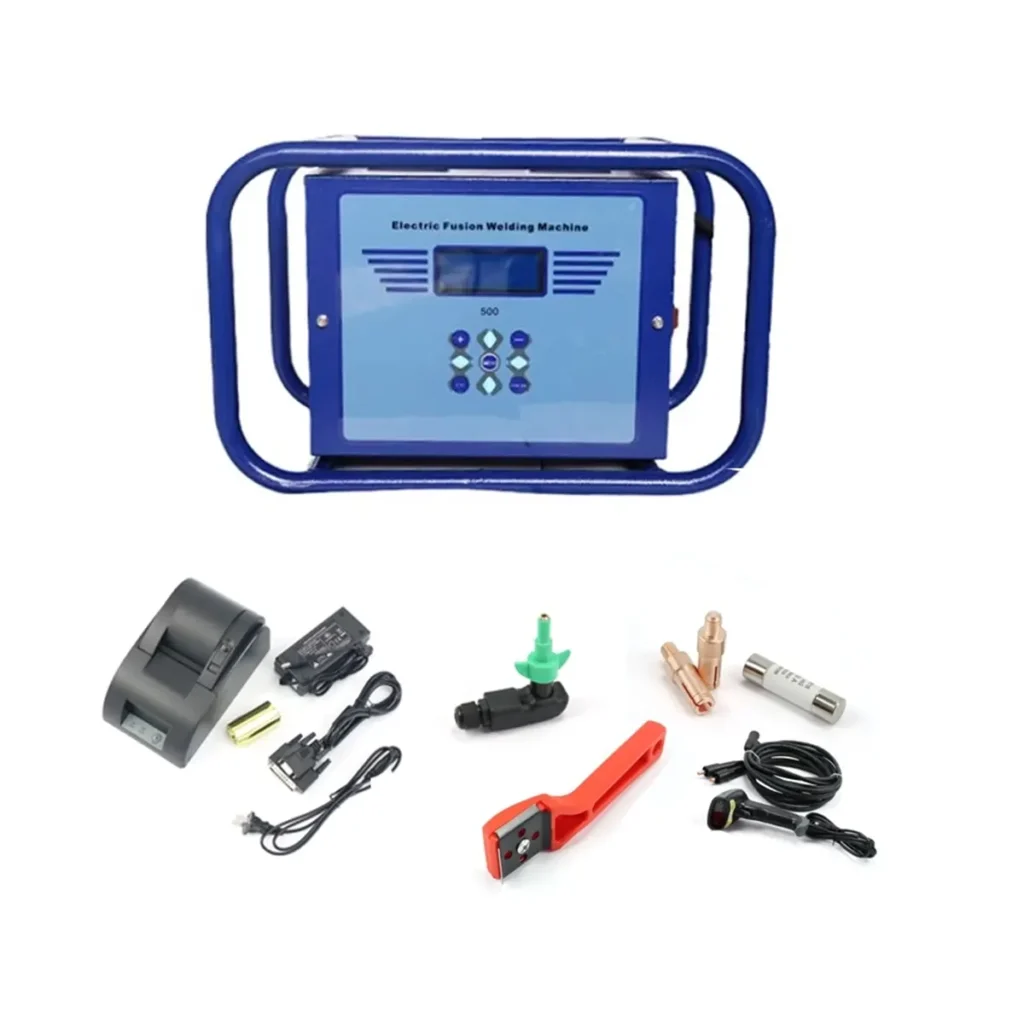
Electrofusion welding machines are becoming a top choice in Poland for joining HDPE pipes used in water supply, gas distribution, and district heating networks. This guide explains how to choose the right electrofusion solution for Polish contractors, municipal utilities, and infrastructure installers—taking into account local climate, regulations, and on-site realities.
Why Electrofusion Works Well in Poland
Electrofusion offers precise, repeatable joints with minimal excavation time—advantages that matter in Poland’s varied environments, from urban renovation projects in Warsaw to rural waterworks in Podlaskie. Electrofusion is especially valuable where space is limited, trench reinstatement must be quick, or gas and water networks require certified, traceable welds.
Polish-specific considerations
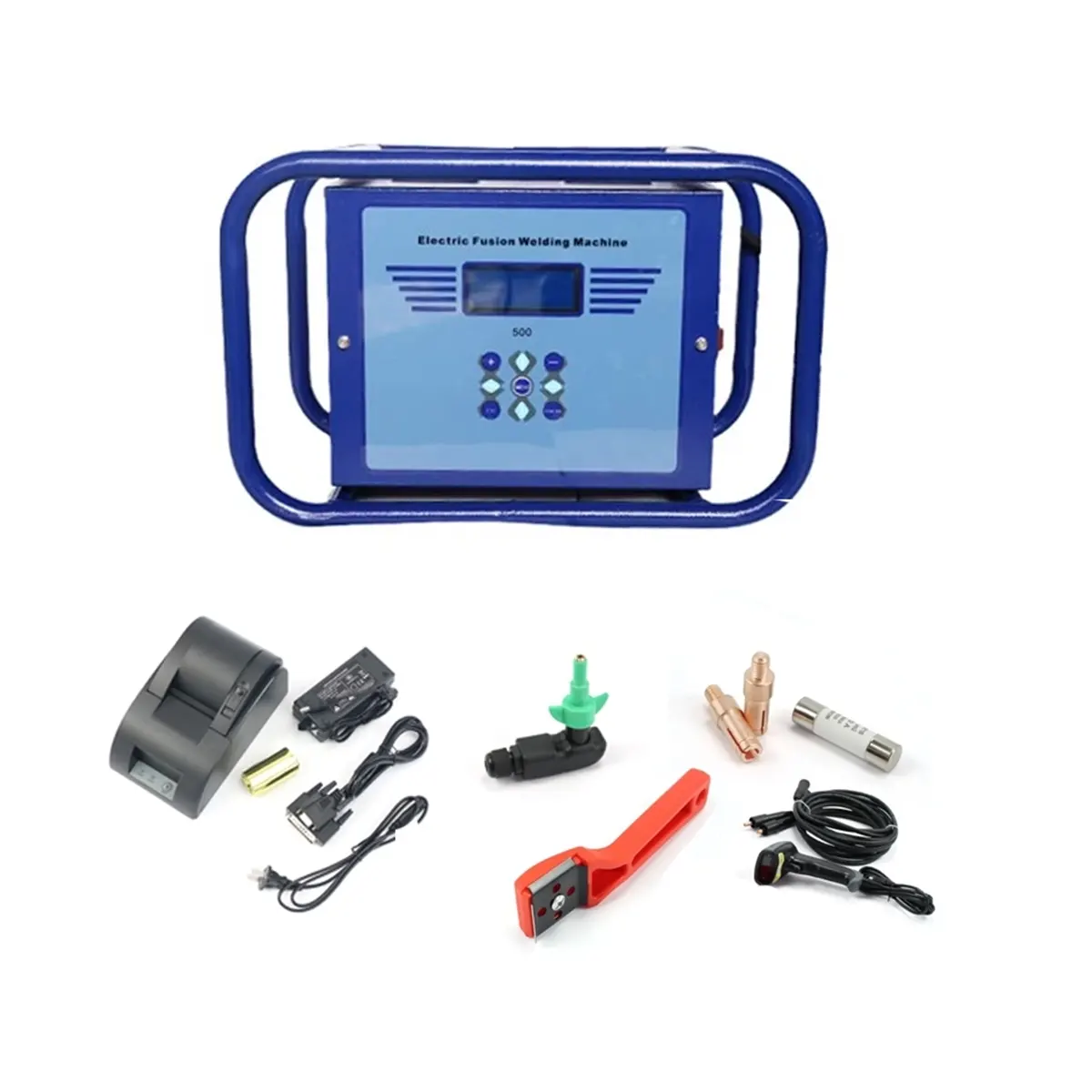
Poland’s cold winters and seasonal frost mean installers often need machines that perform reliably at low ambient temperatures and include features like battery-assisted start-up, insulated housings, and fast, programmable cycles. Local network operators also look for welding systems that produce quality reports compatible with EU and national standards (EN 12201 and related PN-EN guidance).
Key Features to Look For
- Integrated control unit and data logging — stores weld parameters and generates traceable reports required by contractors and utility companies.
- Wide voltage compatibility and stable current output for consistent heat across fittings.
- Portability and rugged construction — compact units and robust cases for site transport across Poland’s varied terrain.
- Clear user interface with Polish language support or intuitive icons for crews with mixed language skills.
- Compliance and certification — adherence to EN standards and ISO quality control for procurement by municipalities.
Electrofusion vs Butt Fusion: Which to Pick?
Both methods join HDPE reliably, but the best choice depends on the application. Electrofusion is ideal for fittings, service connections, and tight spaces; butt fusion is often used for long runs and large diameters. Consider logistics, operator skill, and the types of joints most common in your project portfolio.
| Method | Best For | Pipe Range | Operator Skill |
|---|---|---|---|
| Electrofusion | Fittings, repairs, service taps | Generally up to 630 mm (varies by model) | Low to medium (trained operator) |
| Butt Fusion | Long pipeline sections, large diameters | From small to very large diameters (up to several meters) | Medium to high (skilled operator) |
Selecting the Right Machine — Quick Checklist
- Confirm the pipe diameters and fitting types most used in your contracts (service lines vs main distribution).
- Verify welding programs and presets for the materials you use (PE100, PE80).
- Ask about ambient temperature performance and battery options for winter work.
- Check data logging, USB or Bluetooth export, and reporting format to match client auditing needs.
- Ensure spare parts and technical support are available within the EU for fast turnaround.
Maintenance, Training and Local Support
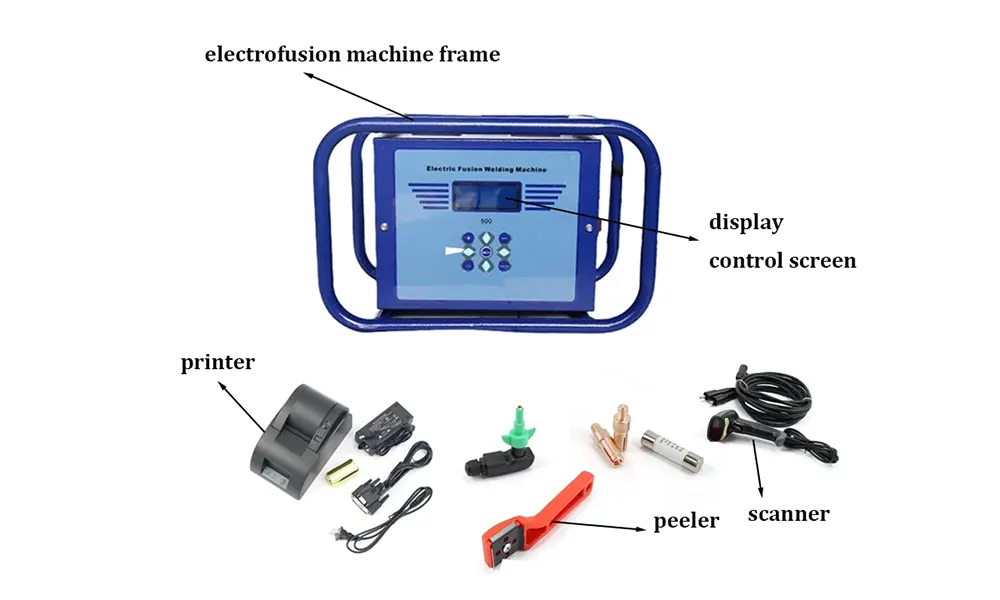
Choose a supplier who offers on-site training or clearly documented procedures in Polish. Regular calibration and annual checks are important to maintain weld reliability, and easy access to spare heating coils, power modules, and replacement clamps reduces downtime. For many Polish contractors, a local European parts stock and quick technical response are deciding factors.
Sample Machine Specs (for comparison)
| Model | Pipe Range | Power | Key Feature |
|---|---|---|---|
| JQEA Electrofusion | 20–315 mm | 230 V / battery | Integrated logger, touchscreen |
| JQEB Electrofusion | 63–630 mm | 400 V / high-current | High-power for larger fittings |
Final Tips for Polish Buyers
When preparing bids for municipal or EU-funded projects, include machine specifications that show compliance with EN standards, data export capability for quality records, and a plan for operator training and maintenance. For many Polish installers, the balance between portability, proven performance in cold weather, and after-sales support will guide the final choice.
For tailored electrofusion solutions, spare parts, and technical documentation in English or Polish, contact JQ-Fusion: https://jq-fusionwelding.com/



