
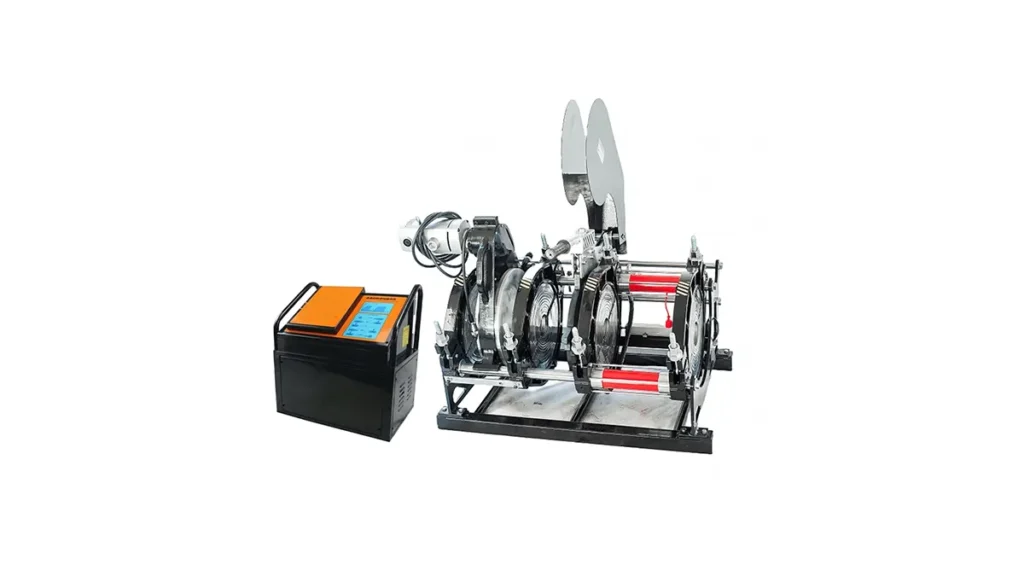
In Iraq’s fast-growing infrastructure sector — from municipal water networks to oil and gas distribution — selecting the right butt welding machine maker is critical. Contractors, pipeline installers, and procurement teams need machines that survive harsh climates, deliver consistent HDPE pipe joints, and come with dependable after-sales support.
Why machine quality matters in Iraq
Hot summers, dusty job sites, and long-distance logistics put extra strain on welding equipment. A reliable butt fusion machine reduces rework, keeps projects on schedule, and protects long-term pipeline integrity. For public works and energy projects across Baghdad, Basra, Erbil, and the Kurdistan region, machine durability and proven welding performance are non-negotiable.
Which types of butt welding machines suit Iraqi projects?
Manual machines — best for small-diameter repair work and remote sites with limited power. Easy to transport and cost-effective for local crews.
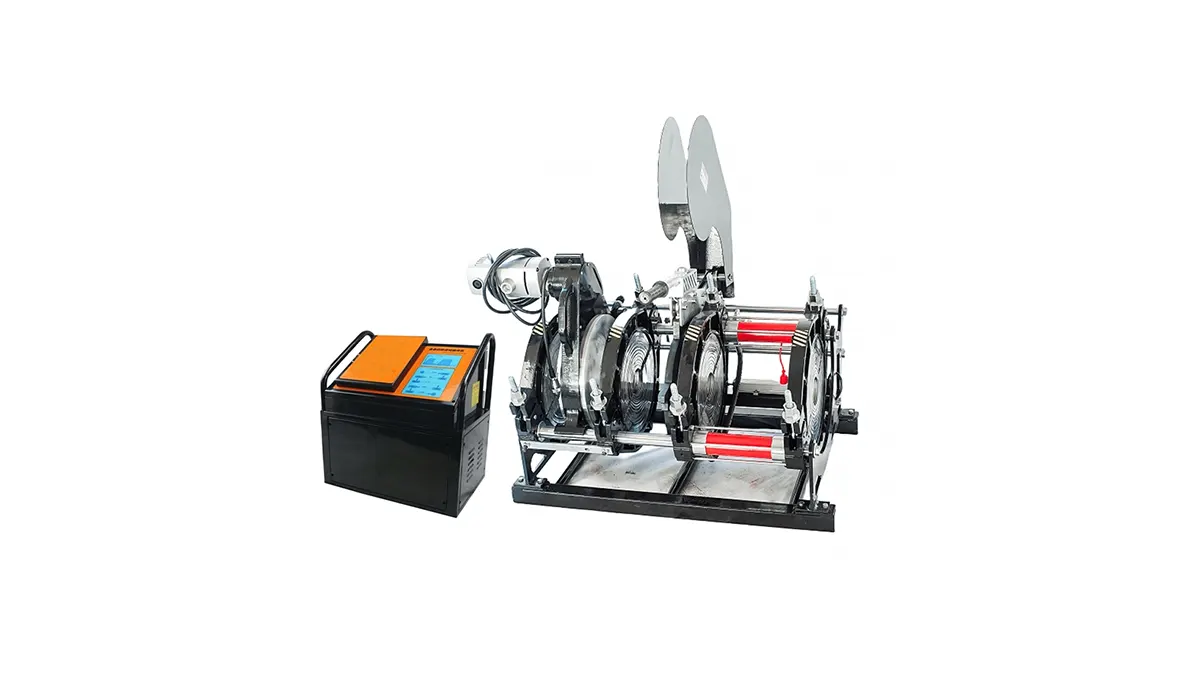
Hydraulic machines — ideal for medium to large pipelines, common in water distribution and industrial installations. They offer stable clamping force and are rugged enough for continuous site use.
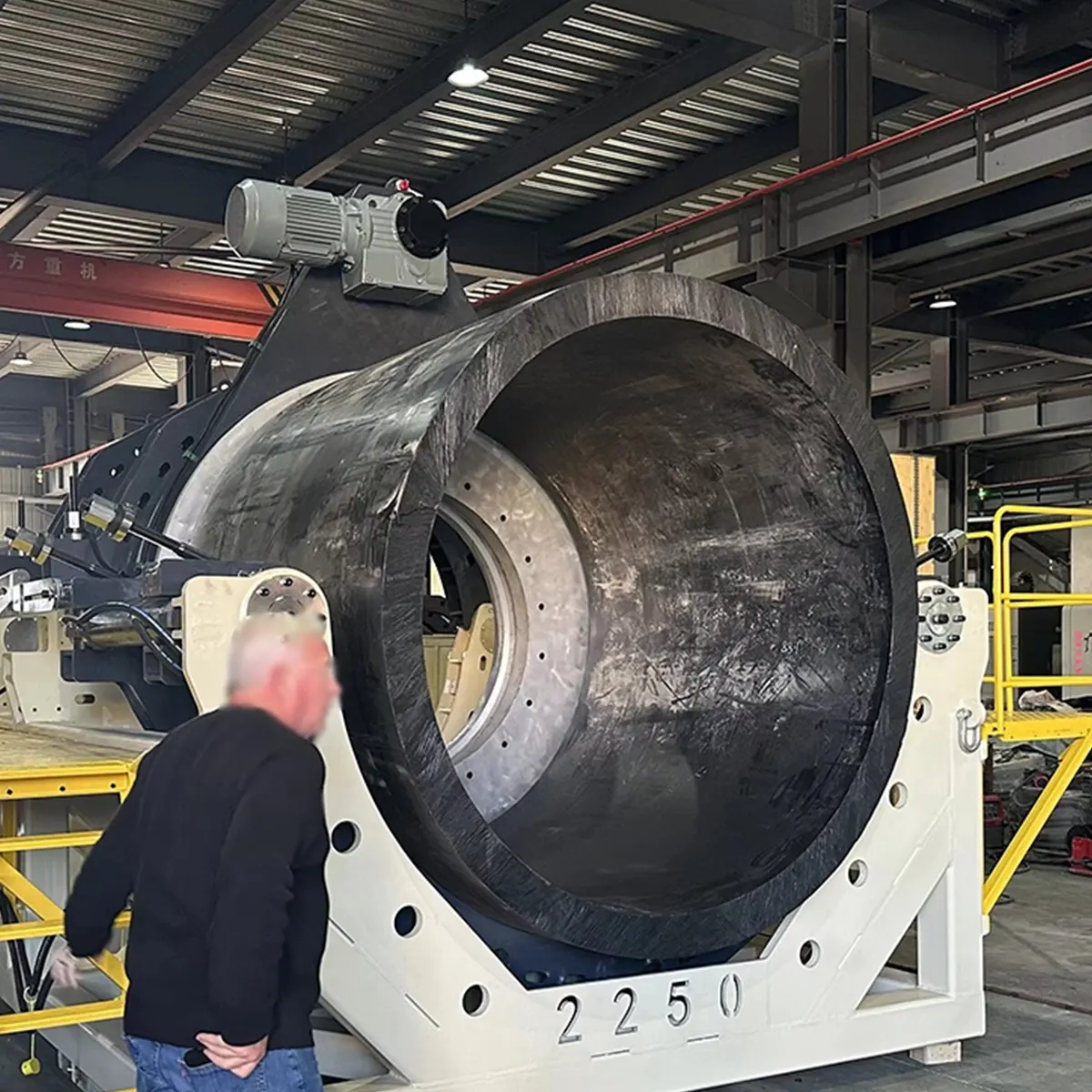
Automatic / CNC machines — deliver precision and repeatability on large infrastructure programs where quality documentation and weld traceability are required.
Quick comparison: common models and their Iraqi use-cases
| Machine Type | Typical Pipe Range | Best For |
|---|---|---|
| Manual Butt Fusion | 20–160 mm | Small repairs, tight budgets |
| Hydraulic Butt Fusion | 160–1600 mm | Municipal water, gas networks |
| Automatic / CNC Butt Fusion | 63–2250 mm | Large projects, high throughput |
How to choose the best butt welding machine maker in Iraq
When evaluating manufacturers and suppliers, Iraqi buyers should prioritize:
- Local support and spare parts — look for suppliers who can ship parts quickly and offer maintenance guidance.
- Proven project experience — references from similar climate and project types (water utilities, oilfield pipelines) are valuable.
- Training and documentation — operator training, weld procedures, and QC records help meet international standards.
- Shipment & customs readiness — reliable exporters who handle customs paperwork reduce delays at Iraqi ports.
- Warranty and service network — extended warranty and remote troubleshooting save downtime.
Common procurement questions from Iraq
How long to deliver? Can units handle dust and heat? Is on-site commissioning available? Will the supplier assist with import documentation and spare parts stocking? These are typical concerns for municipal and private contractors in Iraq — so choose a maker familiar with regional logistics and regulations.
Recommended partner
JQ-Fusion (https://jq-fusionwelding.com/) is a professional manufacturer specializing in HDPE pipe welding machines, offering manual, hydraulic, and CNC automatic butt fusion solutions across a wide pipe size range. Their focus on durable construction, customizable configurations, and export experience makes them a practical choice for Iraqi projects seeking consistent weld quality and reliable support.
Final steps before you buy
Request a datasheet, ask for recent reference projects in similar climates, confirm spare-part lead times, and schedule operator training. A short pilot weld test on-site or in a nearby workshop can validate performance before full deployment. With the right machine and supplier, Iraqi pipeline programs will benefit from stronger joints, fewer service calls, and smoother project delivery.



