
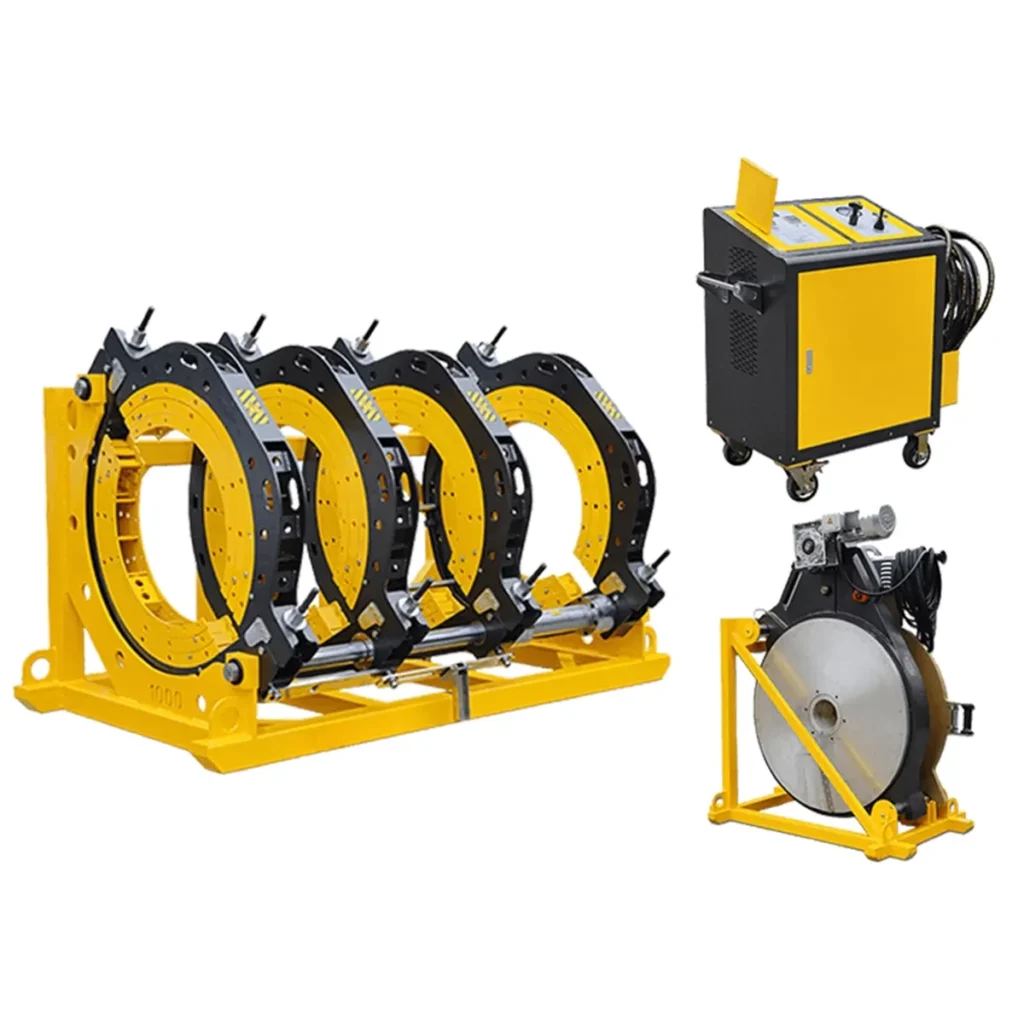
Libya’s growing focus on safe gas distribution and infrastructure upgrades demands dependable welding equipment that performs in coastal humidity, inland desert heat, and remote project sites. Reliable welders for gas lines ensure long-term integrity for HDPE and other polymer pipelines used across municipal, industrial, and oilfield applications.
Local Challenges and Why the Right Welding Equipment Matters in Libya
Temperature extremes, sand and dust, and uneven access to technical support influence equipment selection for Libyan projects. Choosing machines that are rugged, easy to service, and compatible with local workforce skills reduces downtime and improves joint quality for critical gas lines supplying cities like Tripoli, Benghazi, and growing oilfield camps.
Best Welding Solutions for Gas Line Projects
For gas distribution and supply pipelines in Libya, the most common welding technologies are:
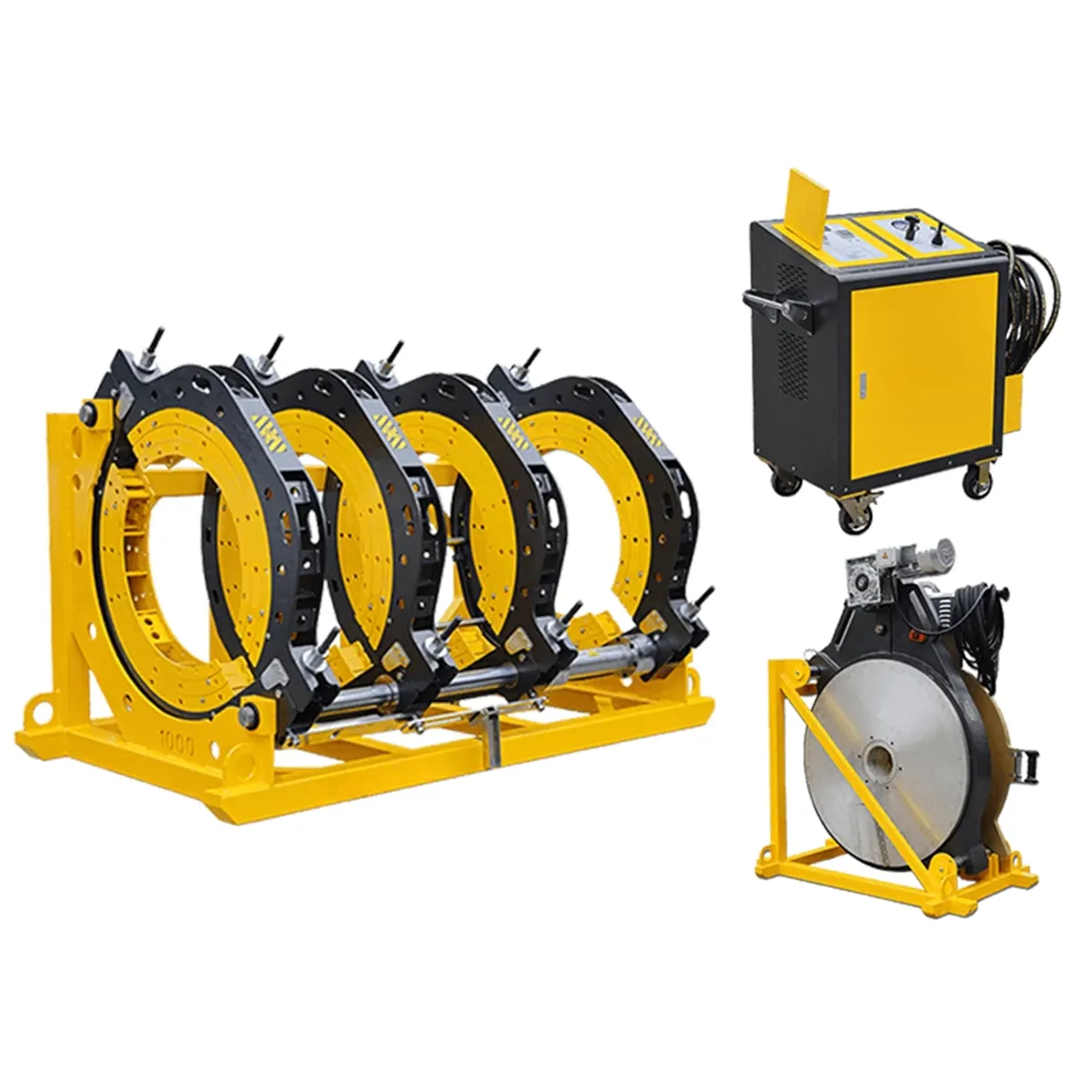
Butt fusion welding — ideal for long HDPE runs and large-diameter mains because it creates homogeneous, high-strength joints resistant to corrosion and leakages.
Electrofusion welding — often used for fittings and service connections where fast, controlled welds are needed on-site.
Selecting between manual, hydraulic, or automatic butt fusion machines depends on project scale, crew skill level, and site conditions. Machines with simpler controls suit small contractors and remote sites, while CNC and automatic units deliver higher repeatability on large infrastructure jobs.
Quick Model Comparison
| Model | Type | Pipe Range | Best For |
|---|---|---|---|
| JQH1000mm | Hydraulic Butt Fusion | DN160–1000mm | Large mains, long-distance gas trunk lines |
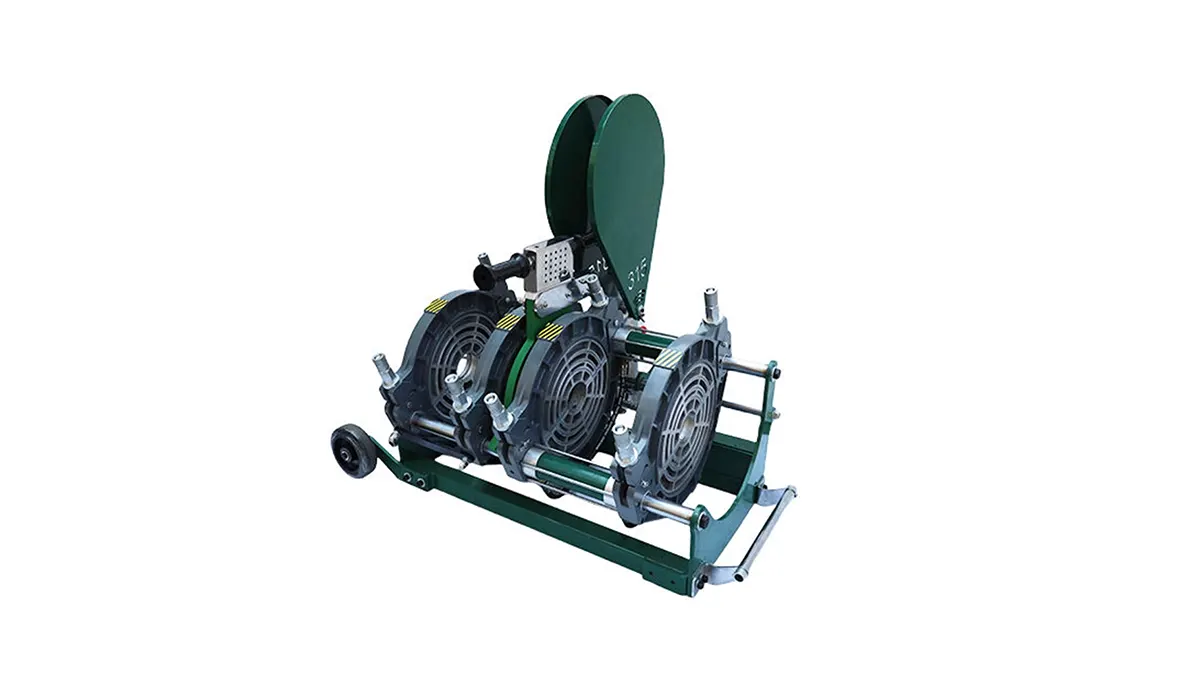
| JQA315 | Automatic Butt Fusion | DN20–315mm | Urban distribution networks, high-repeatability tasks |
| Electrofusion Units | Electrofusion | Fittings & service pipes | Service connections, repairs, complex fittings |
Performance Factors to Consider for Libyan Projects
Look for machines with sealed components to resist sand ingress, corrosion-resistant finishing for coastal sites, and simplified controls for technicians who work across remote camps. Spare parts availability and on-site calibration capabilities are essential to maintain weld integrity in hot, dusty conditions.
Training, Certification and After-Sales Support
Successful gas line projects in Libya require not only robust machines but also trained operators and documented weld records. Prioritize suppliers that offer operator training, on-site commissioning, and access to calibration tools. Reliable after-sales service helps maintain safety standards and regulatory compliance for gas utilities and contractors.
How to Source Equipment
For quality HDPE welding machines and a variety of butt fusion and electrofusion solutions, consider suppliers with a global manufacturing footprint and stock for fast delivery. One such supplier is JQ-Fusion, offering manual, hydraulic, and automatic butt fusion machines suitable for Libyan gas and industrial projects.
Next steps: assess pipe diameters, site conditions, and crew skill levels to choose the right welding platform. Prioritize equipment that delivers consistent joint quality, ease of maintenance, and accessible technical support for peace of mind on every gas line installation in Libya.



