
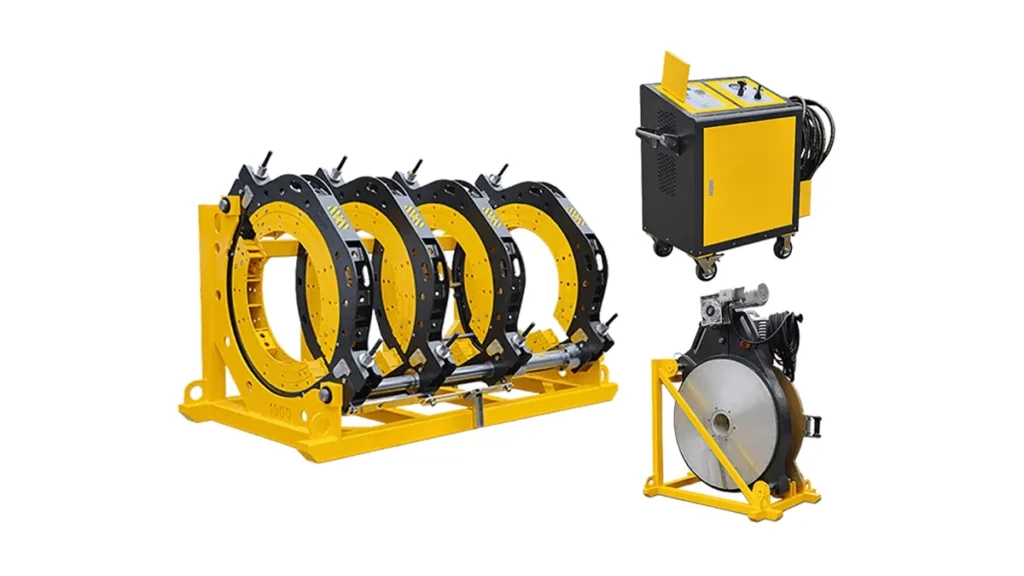
In Guatemala’s fast-growing infrastructure sector, HDPE fusion machines are essential tools for durable pipeline installations. From municipal water networks in Guatemala City to irrigation and mining operations in the highlands, reliable butt fusion equipment ensures leak-free joints that withstand tropical climates, seismic activity, and rugged terrain.
Why HDPE Fusion Machines Matter for Guatemalan Projects
HDPE pipe systems are favored across Guatemala for their corrosion resistance, flexibility, and long service life. Proper fusion welding delivers consistent mechanical strength and hydraulic performance. Contractors and public works teams rely on machines that can handle on-site conditions — uneven surfaces, variable power supply, and mobile field work — while producing certified welds for potable water, gas distribution, and industrial lines.
Key Local Applications
Guatemalan projects that benefit most from HDPE fusion machines include:
-
Rural and urban water supply networks — reliable joints reduce maintenance in remote municipalities.
-
Irrigation systems for agricultural communities across the Pacific lowlands and highland valleys.
-
Mining and industrial pipelines near Antigua and other resource areas, where abrasion and chemical resistance are required.
-
Gas distribution and service connections in expanding urban neighborhoods.
Choosing the Right Fusion Machine for Your Site
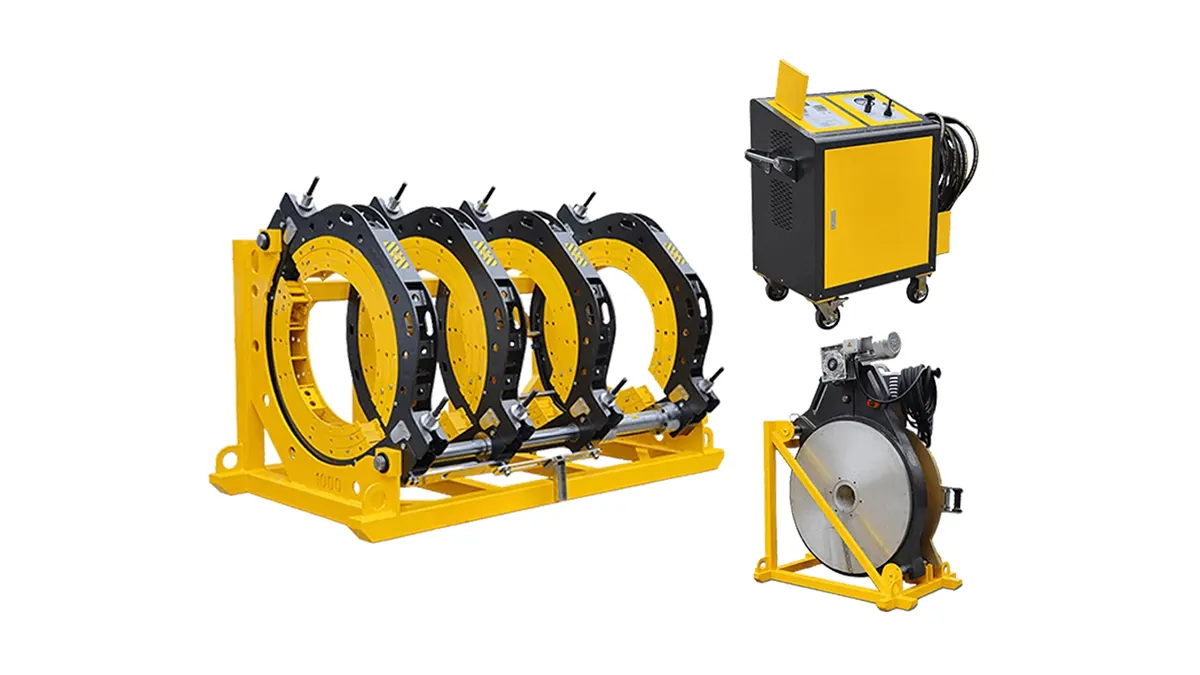
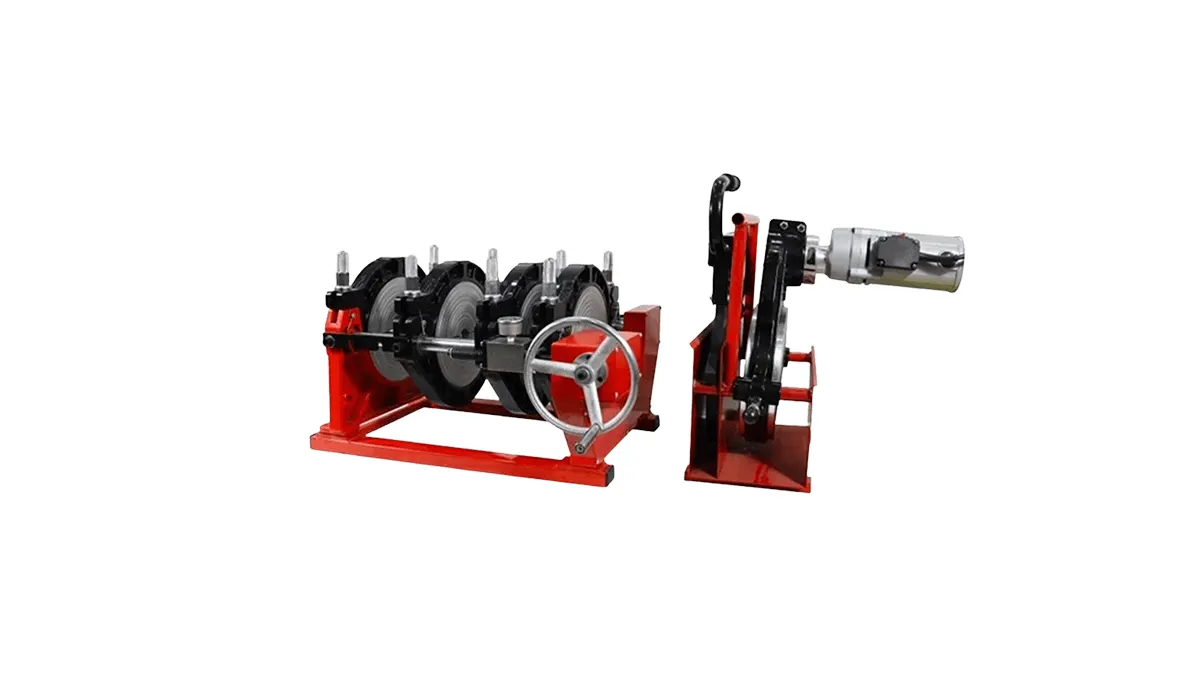
Selecting the correct machine depends on pipe diameter, weld volume, and field conditions. Manual units are compact and easy to transport for small repairs; hydraulic models deliver higher pressure for medium to large diameters; CNC automatic machines provide repeatable weld records for quality-critical projects.
| Model | Type | Pipe Range | Best For |
|---|---|---|---|
| Manual 2–4m Units | Manual | 63mm–500mm | Small repairs, remote villages |
| Hydraulic H-Series | Hydraulic | 160mm–1000mm+ | Municipal networks, irrigation mainlines |
| Automatic CNC Models | Automatic | 63mm–630mm | High-volume projects, certified weld logs |
Features to Prioritize for Guatemalan Conditions
When evaluating machines for deployment across Guatemala, consider:
-
Mobility: Lightweight frames and easy clamp adjustments for steep or uneven job sites.
-
Power options: Diesel generators or battery-assisted controllers for sites without stable electricity.
-
Durability: Corrosion-resistant components for coastal climates and high humidity.
-
Traceability: Digital weld logging for municipal approvals and quality assurance.
Maintenance, Training & Local Logistics
Regular maintenance—clean heating plates, proper clamp alignment, and calibration—keeps weld integrity high. On-site training in Spanish for local crews accelerates safe operation and reduces rework. For shipping to Guatemala, common entry points like Puerto Quetzal and Santo Tomás de Castilla offer customs handling and inland transport to project sites; plan for packaging that protects heating plates during transit.
Getting Started on Your Next Pipe Welding Project
Evaluate expected pipe sizes, daily welds, and access constraints before selecting equipment. For reliable HDPE fusion machines and project support, contact JQ-Fusion (https://jq-fusionwelding.com/). Their product range covers manual, hydraulic, and CNC automatic butt fusion machines suitable for diverse Guatemalan infrastructure needs.



