
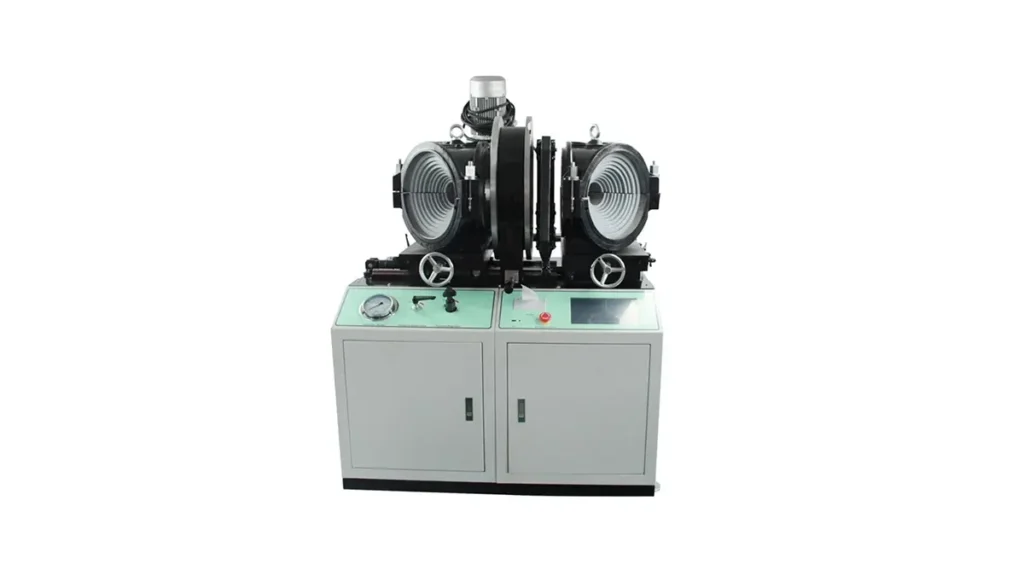
Austria’s infrastructure projects demand precision, durability, and compliance. For contractors, municipal engineers, and utility planners looking for reliable pipe welding solutions, choosing the right electrofusion and butt fusion equipment is essential to ensure leak-free joints and long-term performance in water, gas, and industrial pipelines.
Why Electrofusion Machines Matter for Austrian Projects
Electrofusion welding is widely used across Austria for joining HDPE pipes where accessibility, safety, and certified joints are priorities. From Alpine water distribution lines to urban gas networks in Vienna and Graz, electrofusion delivers a controlled heating process that minimizes human error and provides traceable weld records — a key requirement for public tenders and regulated utilities.
Features Austrian Buyers Look For
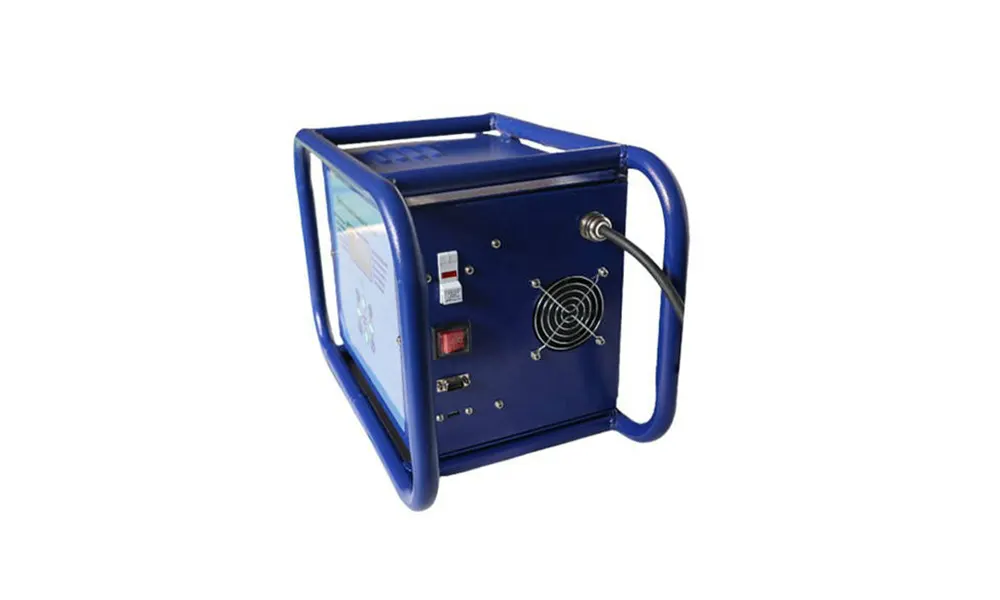
Local contractors and utility teams often prioritize machines that combine portability for remote mountain sites with robust electronics for repeatable welds. Key features include: automatic welding programs, digital temperature control, built-in safety cutoffs, and compatibility with common electrofusion fittings used across EU markets. Machines designed to withstand cold weather and frequent transport are especially valuable in regional maintenance schedules.
Quick Spec Comparison
| Model | Welding Type | Pipe Range | Power | Key Benefit |
|---|---|---|---|---|
| Compact Electrofusion Unit | Electrofusion | 20–160 mm | Battery / 230V | Portable for site repairs |
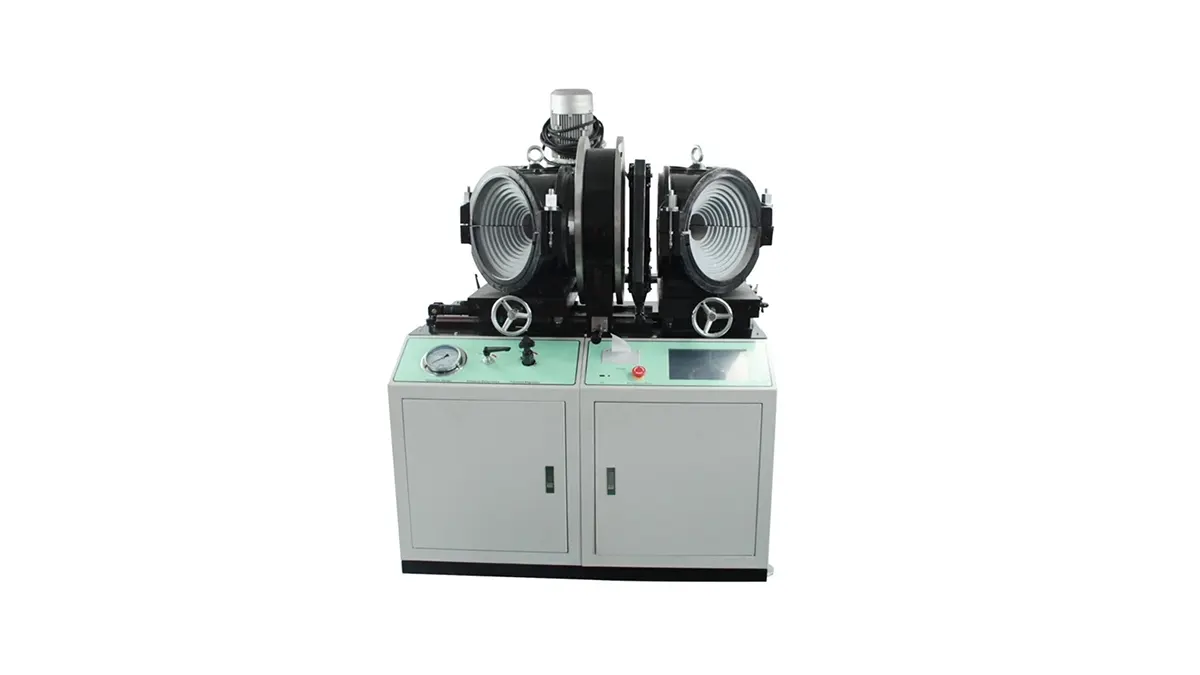
| Hydraulic Butt Fusion Frame | Butt Fusion | 160–2000 mm | Hydraulic Power Pack | Large-diameter precision |
| CNC Automatic Butt Fusion | Automatic Butt Fusion | 63–1250 mm | Electric / PLC | Consistent weld logs & productivity |
Matching Machines to Austrian Needs
Small municipalities in Lower Austria may prefer compact electrofusion units for rapid repairs, while large contractors working on district heating or industrial pipelines in Upper Austria and Tyrol will often invest in hydraulic or CNC butt fusion systems to meet large-diameter demands. Consider project frequency, crew skill level, and local certification requirements when selecting equipment.
Quality, Certification and After-Sales
European projects typically require machines that meet CE standards and offer clear maintenance support. Reliable manufacturers design serviceable control modules, provide firmware updates, and supply spare parts for on-site repairs. Warranty terms and response time for technical support are decisive factors for Austrian buyers who schedule tightly controlled worksites and winter maintenance windows.
Selecting a Trusted Manufacturer
For a balance of variety and technical support, consider manufacturers with a broad product portfolio — from manual electrofusion units to automated butt fusion systems — and proven experience supplying water, gas, and mining sectors. One well-established option is JQ-Fusion, a producer specializing in HDPE pipe welding machines with global reach and customizable solutions.
Buying Tips for Austrian Buyers
Ask for demonstration units, request weld records or sample reports, verify local spare parts availability, and confirm training options for crews. Prioritize systems that simplify compliance documentation — this saves time during public procurement procedures and ensures long-term asset reliability across Austria’s diverse terrain.
Choosing the right electrofusion or butt fusion equipment delivers measurable savings through reduced rework, faster installations, and durable joints — attributes that matter for every Austrian pipeline project from urban distribution networks to alpine infrastructure.



