
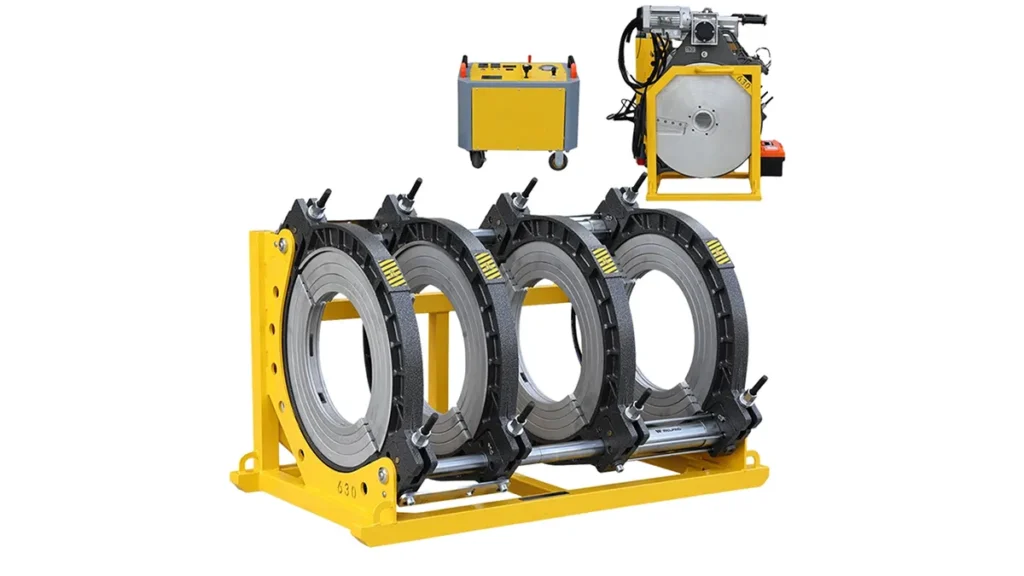
Algeria’s infrastructure push — from urban water networks in Algiers and Oran to irrigation and gas distribution projects across the interior and Saharan regions — demands reliable HDPE pipe joining solutions. For contractors and municipal engineers seeking trusted butt fusion equipment, JQ-Fusion offers a range of butt fusion machines designed to meet the durability and accuracy requirements of North African working conditions.
Why HDPE Butt Fusion Fits Algerian Projects
HDPE butt fusion is widely preferred in Algeria for its leak-free joints, chemical resistance, and flexibility in thermal expansion—qualities that are essential for water supply systems, gas lines, and mining pipelines operating under extreme temperatures and dusty environments. Compared with mechanical fittings, butt fusion provides long-term integrity that lowers lifecycle costs and reduces maintenance needs in remote regions.
Machine Types and Best Uses
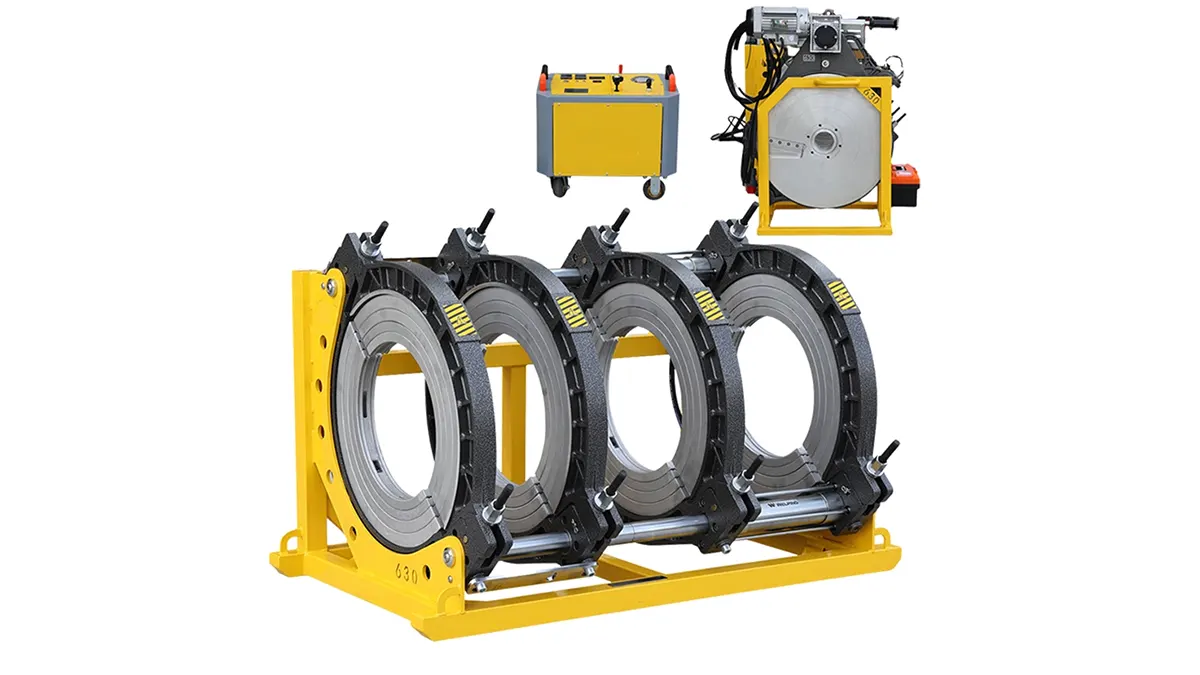
Choosing the right fusion machine depends on pipe diameter, site mobility, operator skill, and the local environment. Below is a quick guide matched to typical Algerian applications.
| Machine Type | Size Range | Ideal Algerian Applications |
|---|---|---|
| Manual Butt Fusion | 20–315 mm | Rural water lines, small local repairs, tight-access sites |
| Hydraulic Butt Fusion | 90–1250 mm | Municipal networks, medium-to-large pipelines, oil & gas feeder lines |
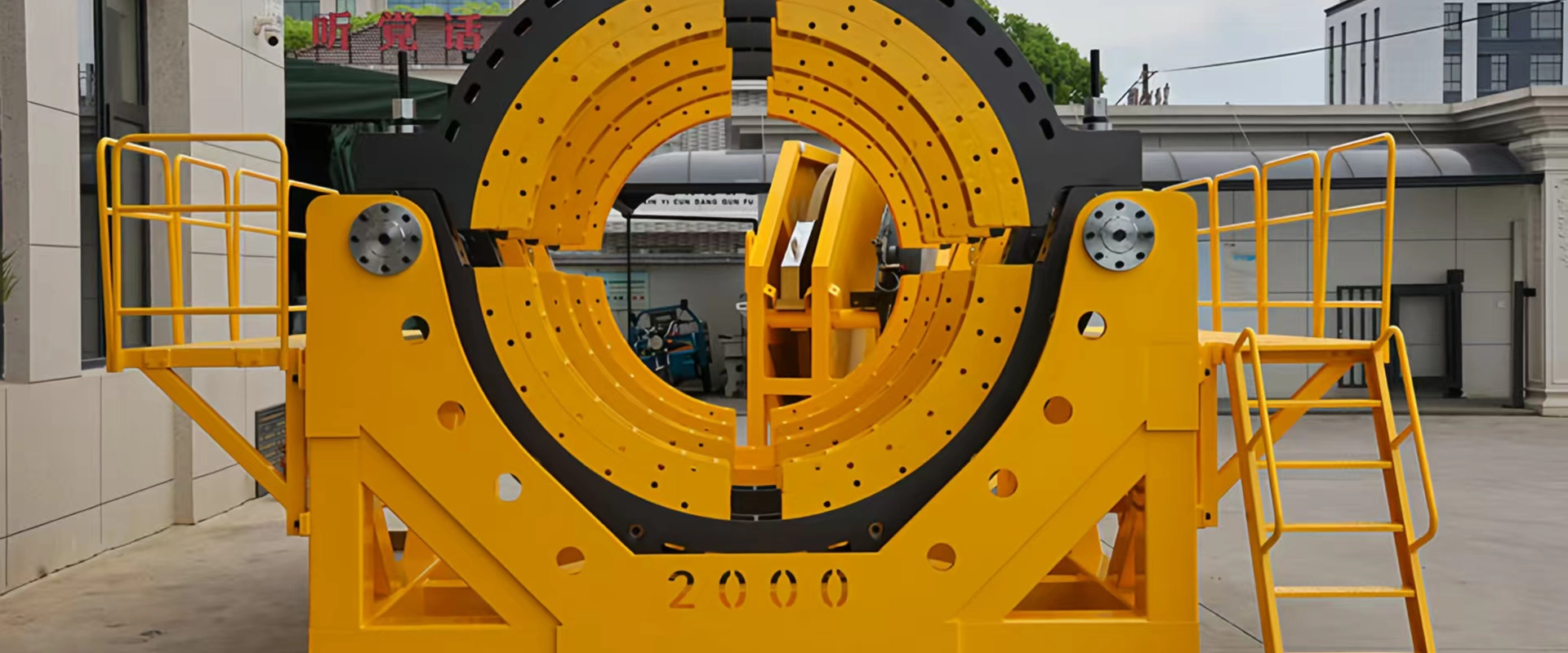
| Automatic / CNC Butt Fusion | 160–2000+ mm | Large-diameter trunk mains, industrial projects, precision-controlled welding |
Selecting Equipment for Local Conditions
Algeria’s hot, dry climate and dusty sites require machines with sealed hydraulic systems and corrosion-resistant components. For coastal and Saharan projects, choose models with robust frames and protected electronics. Port access at Algiers, Oran, and Annaba makes shipping larger units feasible, while remote desert projects benefit from compact or modular options that are easier to transport by truck.
Operation, Training & Maintenance Tips
Operator training is critical — provide instruction in French or Arabic where needed and focus on preheat, alignment, and cooling protocols to ensure weld quality. Routine maintenance should include hydraulic fluid checks, heater plate surface care, and calibration of alignment clamps. In dusty environments, protect control panels and keep spare heater plates on hand to avoid downtime.
Standards, Spare Parts & After-sales
Ensure machines and welding procedures comply with recognized HDPE welding guidelines and project specifications. Stock common spare parts locally (heating elements, trims, seals) to reduce repair lead times. Reliable after-sales support and responsive parts shipping are especially valuable for contractors working beyond major urban centers.
Quick Spec Comparison
| Feature | Benefit |
|---|---|
| Sealed Hydraulic Units | Resists dust and heat, extends service life |
| CNC Control Options | Repeatable precision for large-diameter mains |
| Modular Frames | Easier transport to remote sites and desert works |
Get Support and Quotes
If you are planning an HDPE pipeline project in Algeria — whether for municipal water, irrigation, or industrial networks — review available machine types against site conditions and operator experience. Visit the manufacturer’s website to request a quote, check inventory, and arrange technical support tailored to North African projects.



