
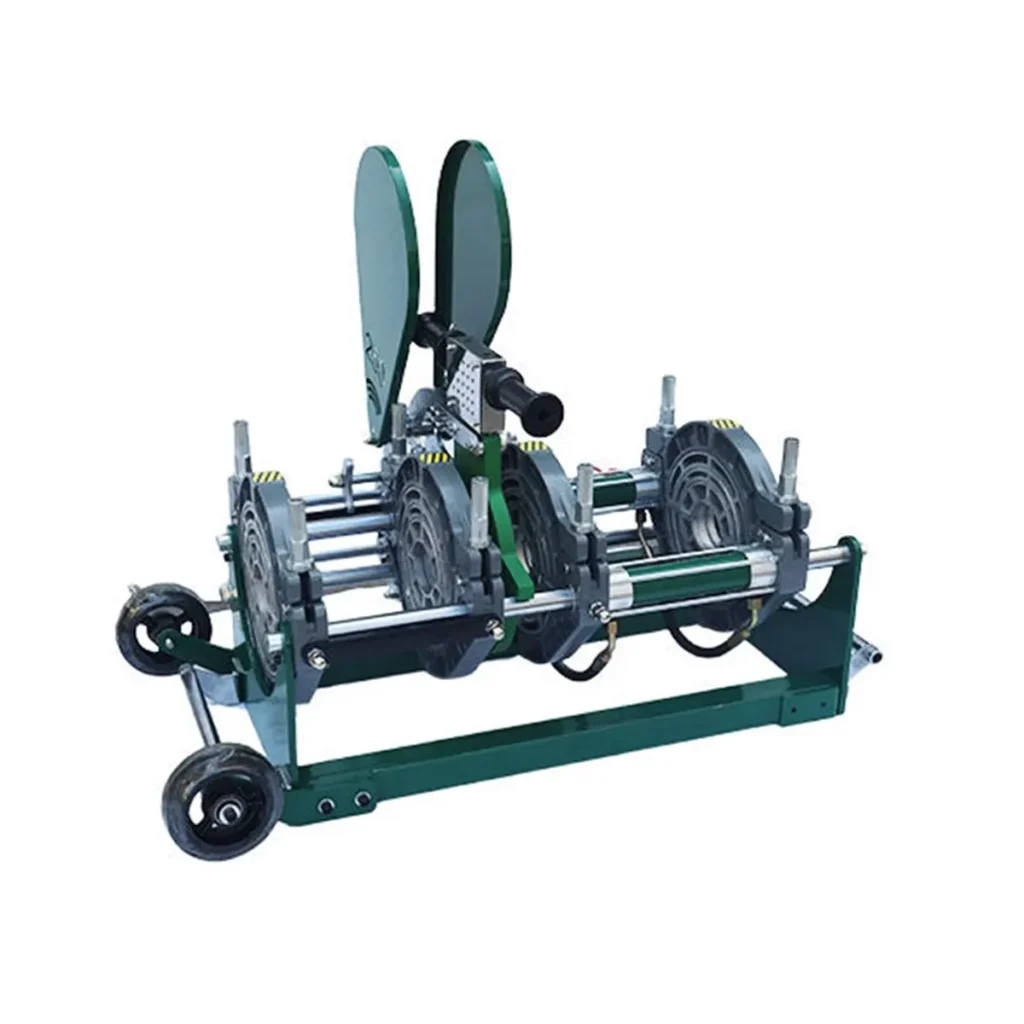
Selecting the best automatic pipe welding machine maker for projects in Palestine requires balancing machine performance, local serviceability, and cost-effectiveness. Municipal water networks, irrigation for olive groves and greenhouses, and expanding gas distribution all demand reliable HDPE welding solutions that fit Palestine’s unique logistics and labor conditions.
Why the Right Manufacturer Matters in Palestine
Durability and accuracy are critical when replacing or expanding pipelines in urban and rural West Bank and Gaza areas. Contractors and utilities need machines that can handle variable site conditions—from dusty construction zones to limited-access trenches—while ensuring strong welds that meet international standards.
Top Selection Factors to Evaluate
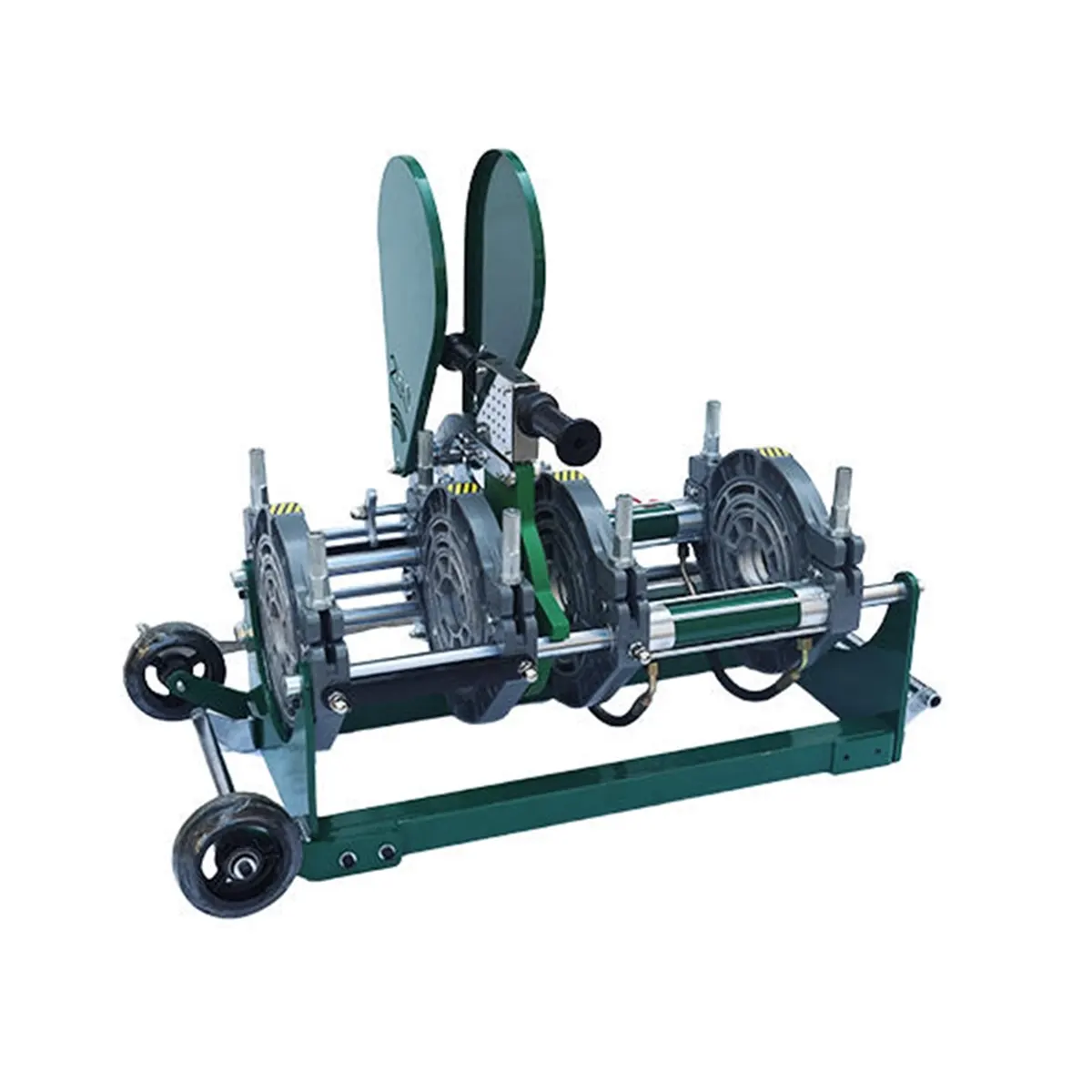
1. Machine performance and range: Choose a maker that offers automatic butt fusion machines covering the pipe diameters you use most (e.g., 63–630mm for distribution, up to 2000mm for large projects).
2. Quality & certifications: ISO manufacturing processes, CE or other compliance marks, and traceable welding records help ensure weld integrity across water and gas applications.
3. Local support & spare parts: Short lead times for replacement heaters, clamps, and control modules are essential in Palestine where import delays can stall projects.
4. Training & after-sales service: On-site or remote training tailored for Palestinian operators increases first-pass weld success and reduces rework.
Automatic vs Hydraulic vs Manual — Quick Comparison
| Machine Type | Best For | Automation | Suitability in Palestine |
|---|---|---|---|
| Automatic Butt Fusion | Medium–large diameter HDPE | High — programmable cycles | Ideal for municipal and contractor projects needing repeatable quality |
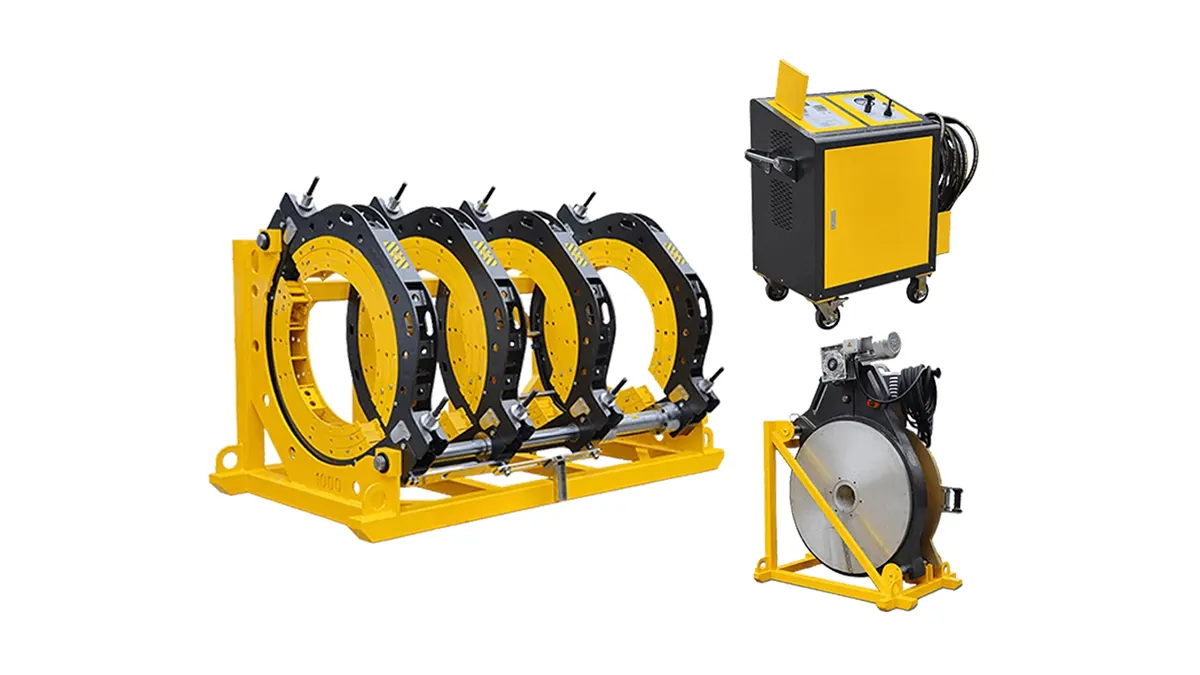
| Hydraulic Butt Fusion | Large diameter and heavy-duty jobs | Medium — manual control with hydraulic assist | Good for big infrastructure works where power and transport are available |
| Manual Machines | Small-diameter or budget projects | Low — operator-dependent | Useful for remote sites with limited logistics but require experienced welders |
Practical Questions to Ask Any Manufacturer
• What pipe diameter range and fusion cycle controls do your automatic machines offer?
• Can you provide certificates, welding reports, and material traceability?
• How fast can spare parts be shipped to Palestinian ports or through regional distributors?
• Do you offer operator training and remote troubleshooting in English/Arabic?
Procurement Tips for Palestinian Buyers
Plan for customs and transport: machines often ship from overseas, so factor in customs clearance, carriage to site, and any possible transit restrictions. Work with a supplier who helps with documentation to accelerate clearance.
Request a FAT or test report before shipment: a factory acceptance test and sample weld records demonstrate the machine meets performance specs and reduces commissioning time on site.
Negotiate spare parts packages: include consumables and common wear parts in the initial order to avoid downtime during peak construction seasons.
Final Selection Checklist
• Confirm machine specifications match your project pipe sizes and throughput needs.
• Verify certification and request recent project references in similar environments.
• Ensure the maker provides training, a clear warranty, and a spare parts plan for Palestine.
• Compare total cost of ownership (transport, training, parts, uptime), not only the initial price.
For reliable HDPE automatic butt fusion solutions and tailored support for Palestine, consider working with reputable manufacturers such as JQ-Fusion (https://jq-fusionwelding.com/), who specialize in automatic and hydraulic pipe welding machines and global after-sales service.



