
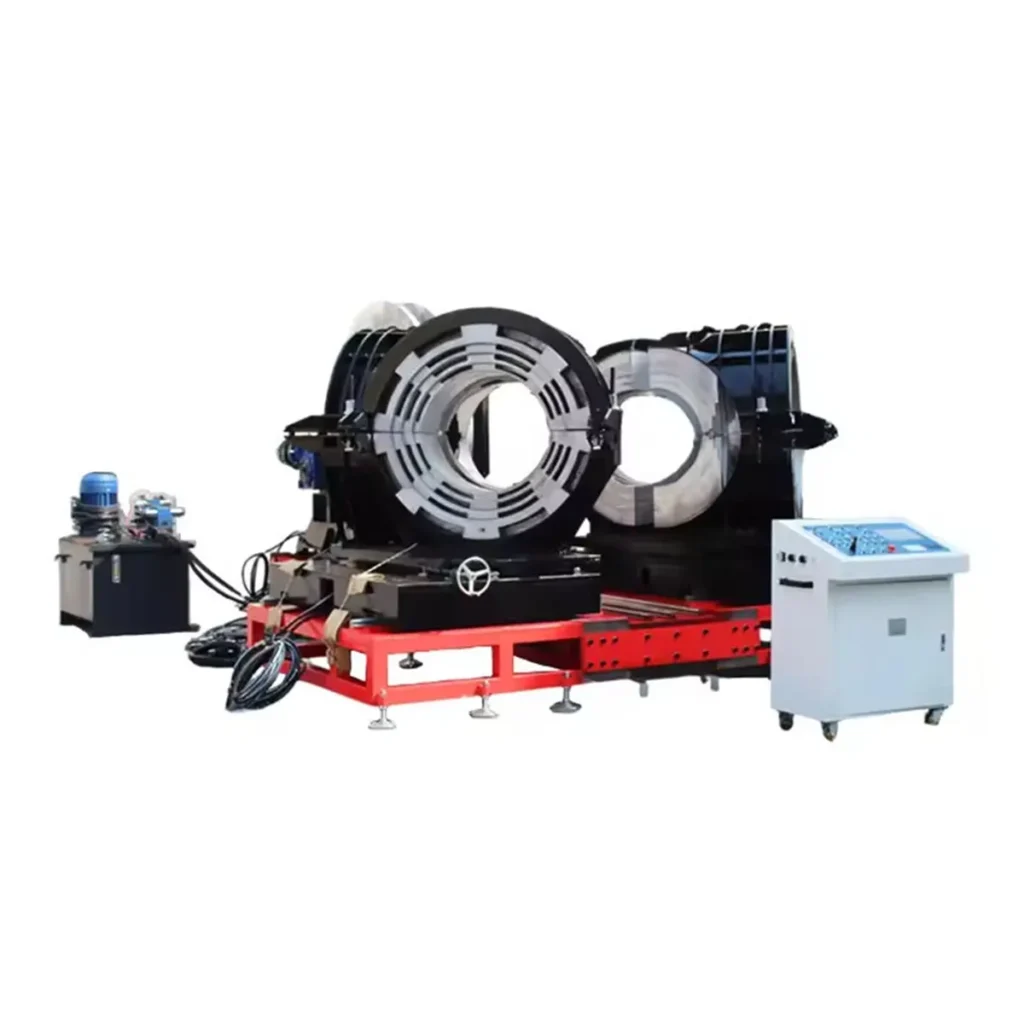
Finland’s infrastructure projects demand robust, weather-resistant solutions for underground piping and utilities — HDPE welding equipment designed for cold climates, precise fusion, and long-lasting joints is essential. This article outlines reliable butt fusion and electrofusion welding options, practical advantages for Finnish contractors, and how modern machines streamline pipeline work across water, gas, and district heating networks.
Why HDPE Welding Fits Finnish Projects
Durability in low temperatures: HDPE materials retain flexibility and impact resistance in sub-zero conditions, making them a preferred choice for Finland’s cold winters. Contractors benefit from fewer failures and extended service life when joints are fused correctly. Corrosion resistance and chemical inertness also suit municipal water systems, coastal installations, and industrial pipelines.
Key Welding Methods for Finnish Conditions
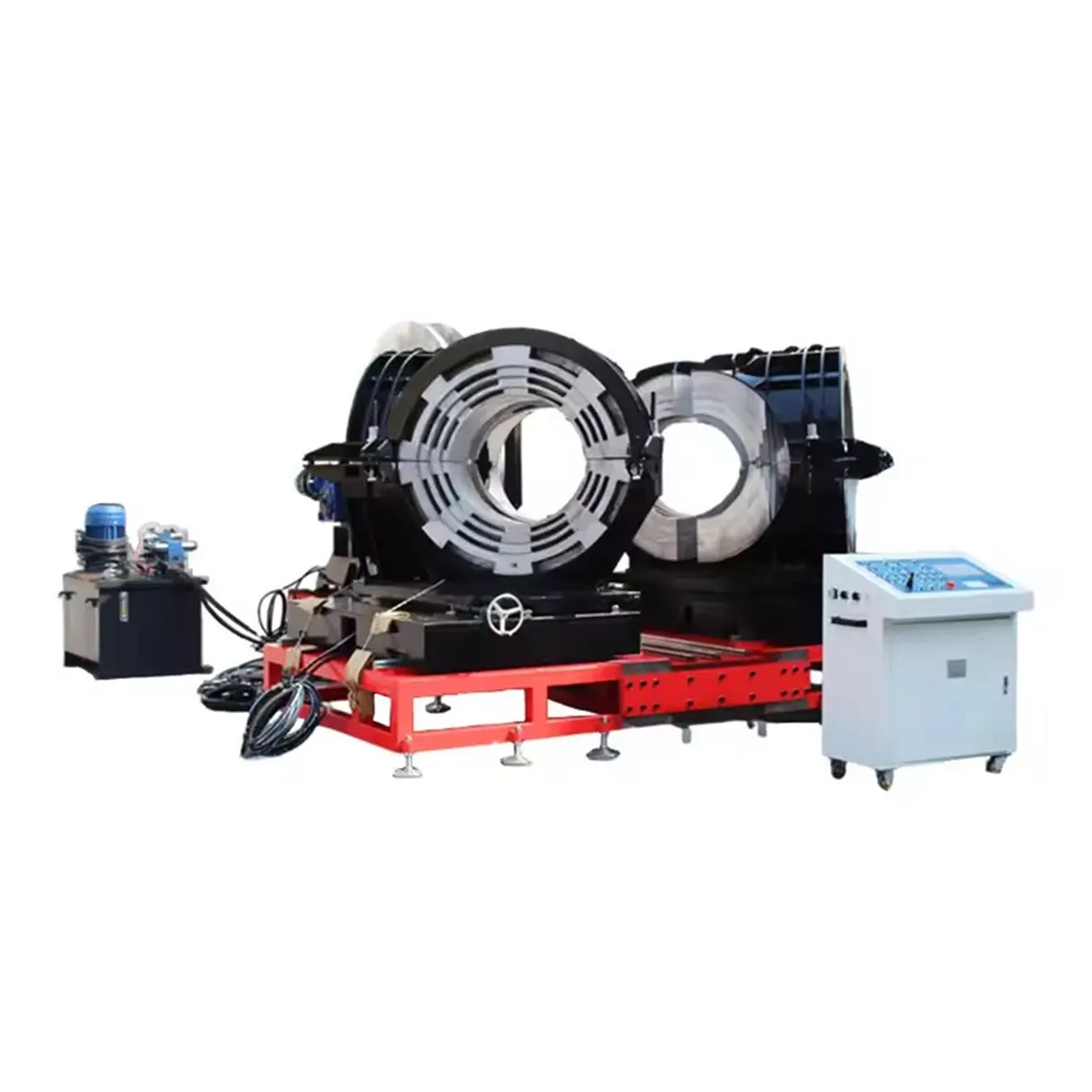
Butt fusion is widely used for mainline HDPE pipes; it creates homogeneous, leak-free joints. Electrofusion is ideal for fittings, repairs, and confined spaces. For large-diameter or continuous municipal pipelines, hydraulic and CNC automatic butt fusion machines offer consistent heat and pressure control to meet strict quality standards used in Finland’s public works.
Product Range & Typical Use Cases
Finland’s projects require diverse equipment — from portable manual units for service trenches to heavy-duty hydraulic frames and automated CNC systems for plant and large-diameter pipeline fabrication. The right selection improves productivity on projects such as municipal water upgrades, gas distribution networks, stormwater systems, and district heating interfaces.
Technical Advantages for Nordic Environments
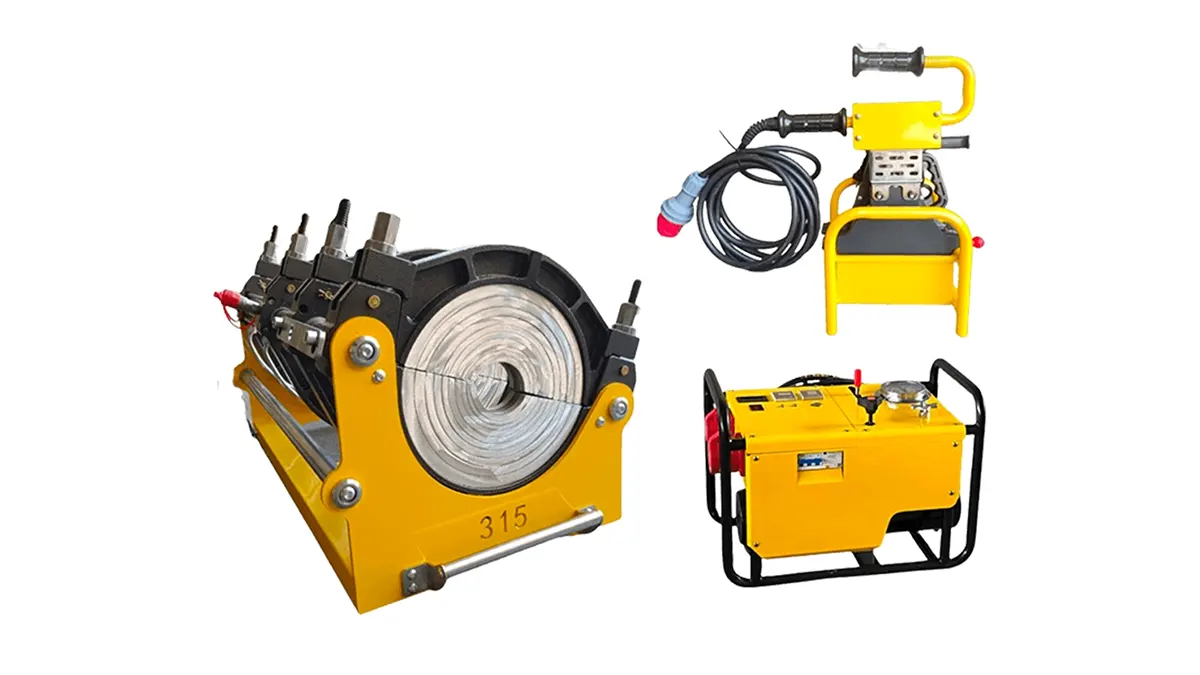
Consistent weld quality: Hydraulic pressure control and precision heating plates deliver repeatable welds, reducing rework in remote or weather-challenged sites. Automated logging and traceable parameters help meet Nordic regulatory and municipal acceptance criteria.
Quick Comparison — Machine Types
Below is a compact reference table showing typical machine classes and their best-fit applications for Finnish infrastructure projects.
| Machine Type | Pipe Range | Best Use |
|---|---|---|
| Manual Butt Fusion | ≤ 315 mm | Service lines, repairs, rural installations |
| Hydraulic Butt Fusion | 160–2250 mm | Large-diameter mains, district heating |
| Automatic / CNC Butt Fusion | 100–1600 mm+ | High-volume fabrication, factory welds |
| Electrofusion | Fittings & Repair sleeves | Controlled site repairs, complex junctions |
Selecting the Right Equipment for Finland
Contractors should prioritize machines with robust cold-start performance, simple on-site maintenance, and reliable customer support. Integrated data logging and ISO-compliant welding procedures help secure municipal approvals. When working in remote northern regions, portability and battery or generator compatibility are practical considerations.
Service, Training & Spare Parts
Ensure local or regional access to certified trainers and replacement parts. Welding training that emphasizes parameter control (heat, pressure, and soak time) improves first-pass weld success and reduces the risk of costly pipeline leaks under Finnish freeze-thaw cycles.
Trusted Manufacturer Reference
JQ-Fusion offers a comprehensive selection of manual, hydraulic, and automatic butt fusion machines, tailored for global infrastructure projects and adaptable to the stringent demands of Nordic environments. For detailed specifications and ordering, visit the manufacturer’s portfolio online.
Final Notes for Finnish Buyers
When tendering HDPE welding equipment in Finland, include clear acceptance criteria for weld testing, specify documentation for traceability, and consider lifecycle costs including training and spare parts. Properly selected and operated equipment delivers leak-free, long-lasting pipelines suitable for Finland’s rigorous environmental conditions.



