
Poly fusion machines are essential for reliable HDPE pipe joins used across Latvia’s water supply, gas distribution, and industrial pipeline projects. With the country’s cold winters, coastal conditions, and a growing focus on modernizing infrastructure, selecting a robust butt fusion solution ensures long-term leak-free performance and compliance with European standards.
Why Poly Fusion Machines Matter in Latvia
Durability in Northern Climate: Latvia’s freeze-thaw cycles and coastal humidity demand welding equipment that delivers consistent fusion strength. Machines designed for accurate temperature control and controlled pressure reduce joint failures during seasonal stress.
Local contractors, municipal utilities, and pipeline engineers in Riga, Liepāja, and Daugavpils increasingly choose HDPE systems for stormwater, district heating interfaces, and suburban gas networks. The right fusion machine speeds installation while meeting quality control requirements for public tenders.
Key Features to Look For
Temperature Stability: Precise heating plate control for uniform melt across different pipe diameters.
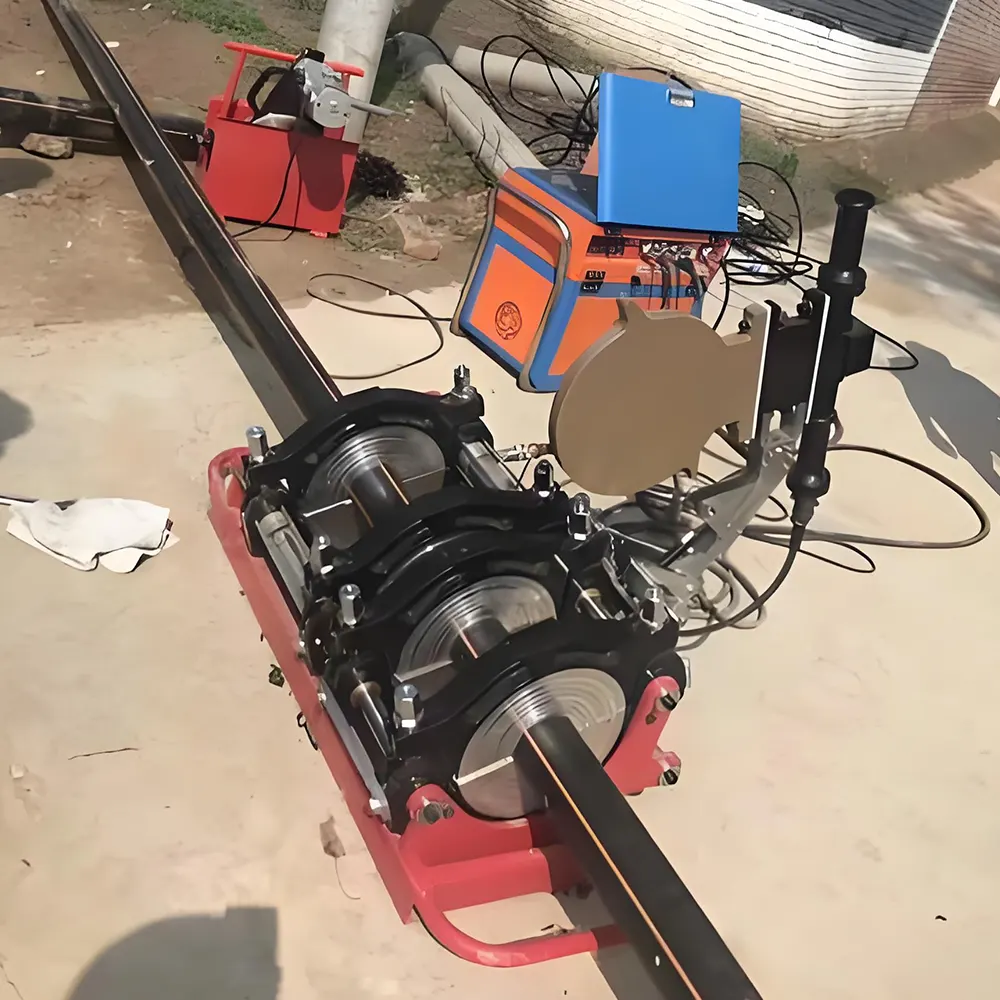
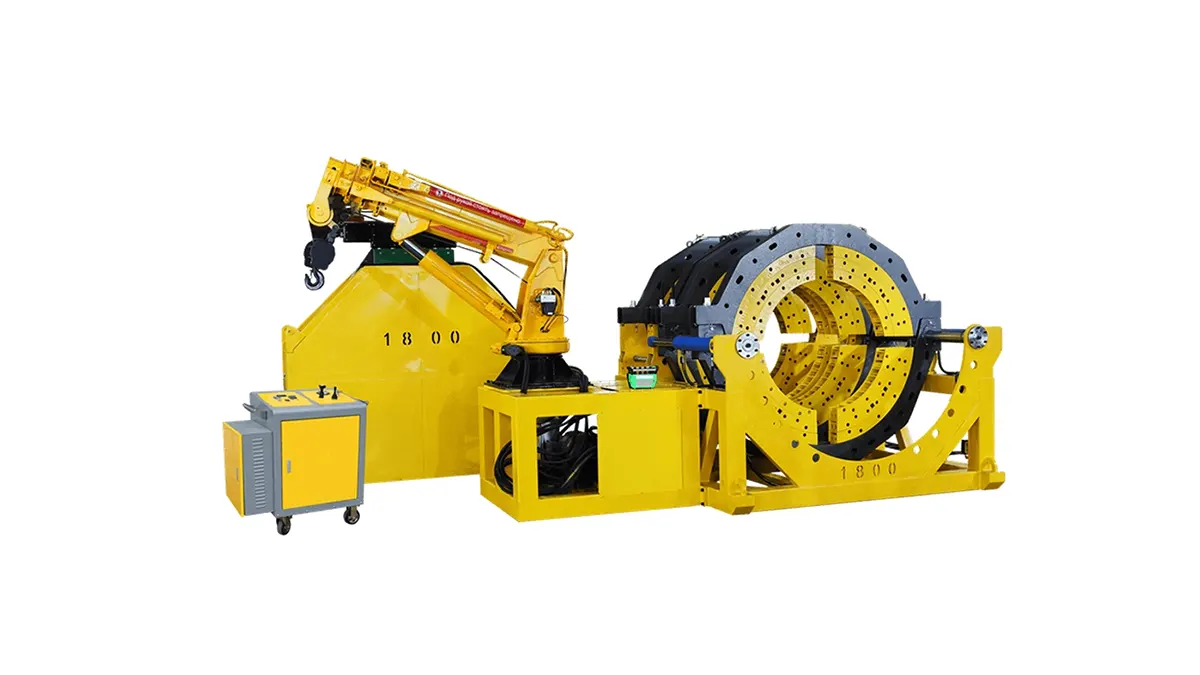
Hydraulic vs. Manual: Hydraulic and automatic units offer repeatable pressure and are preferred for medium-to-large municipal projects; manual frames remain cost-effective for small contractors and repair crews.
Portability & Setup: Compact frames and quick clamp systems reduce site setup time — useful for urban trench work and remote rural installations across Latvia’s varied terrain.
Model Comparison (Representative)
| Model | Type | Pipe Range (mm) | Best For |
|---|---|---|---|
| JQST / Manual Frame | Manual | 20–400 | Small repairs, local contractors |
| JQH Series | Hydraulic | 160–1800 | Municipal networks, industrial pipelines |
| JQA Automatic | CNC Automatic | 63–630 | High-volume trench projects, contractors seeking automation |
Applications Across Latvian Projects
HDPE fusion machines serve a wide range of use cases in Latvia: potable water mains, gas distribution to suburban developments, irrigation systems for agriculture, and industrial process pipelines in port cities. The non-corrosive nature of HDPE combined with quality fusion eliminates many failure points found in older metal systems.
Buying Tips for Latvian Contractors
Certification & Standards: Verify compliance with EN standards and regional certification recognized by Latvian utilities.
Spare Parts & Local Service: Choose manufacturers with reliable spare-part supply chains in Europe or responsive international logistics to avoid downtime during critical projects.
Training & Documentation: Ensure operator training is available in English or Baltic languages, and that welding procedures are documented for tender submission and quality audits.
Maintenance & Support
Routine care — plate cleaning, alignment checks, and hydraulic inspections — extends machine life. For large-diameter municipal work, plan preventive maintenance between project phases to keep fusion quality consistent across seasonal temperature shifts.
For reliable butt fusion solutions suited to Latvia’s infrastructure and climate, consider equipment from JQ-Fusion: https://jq-fusionwelding.com/



