
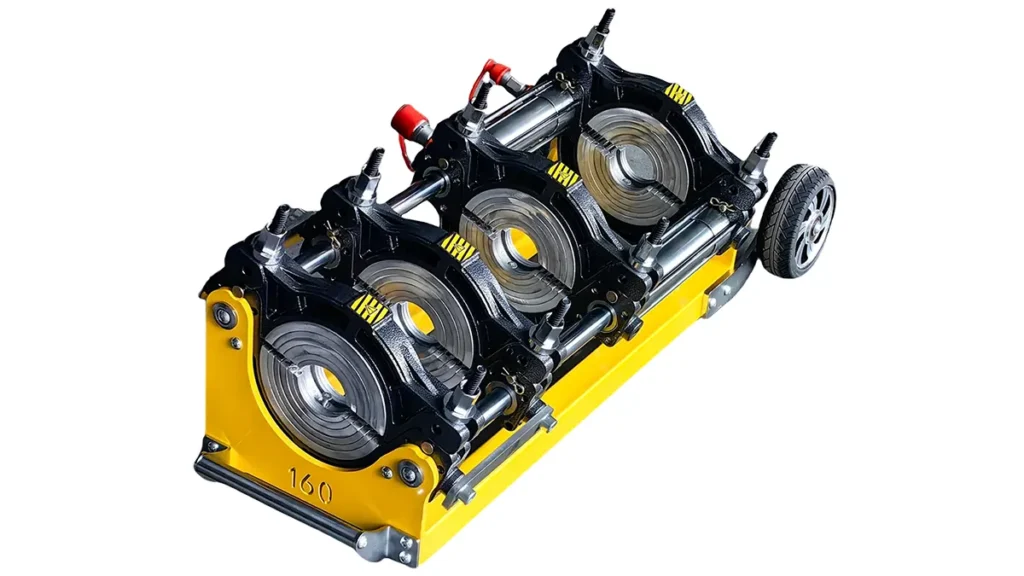
Hydraulic butt fusion machines are the backbone of reliable HDPE pipe joining for water, gas, mining, and industrial pipelines. This guide covers key features, benefits, selection criteria, and maintenance tips to help engineers, contractors, and procurement teams choose the right unit for consistent, high-quality butt fusion results.
What Is a Hydraulic Butt Fusion Machine?
A hydraulic butt fusion machine uses hydraulics to clamp pipe ends, align them precisely, heat the faces with a controlled plate, and apply pressure for a fusion joint. Compared with manual units, hydraulic systems deliver steadier pressure and greater repeatability for medium to large diameter HDPE pipes.
Typical Applications
-
Municipal water and sewer networks
-
Gas distribution and transmission
-
Mining slurry and tailings pipelines
-
Industrial process and chemical piping
Key Features to Look For
-
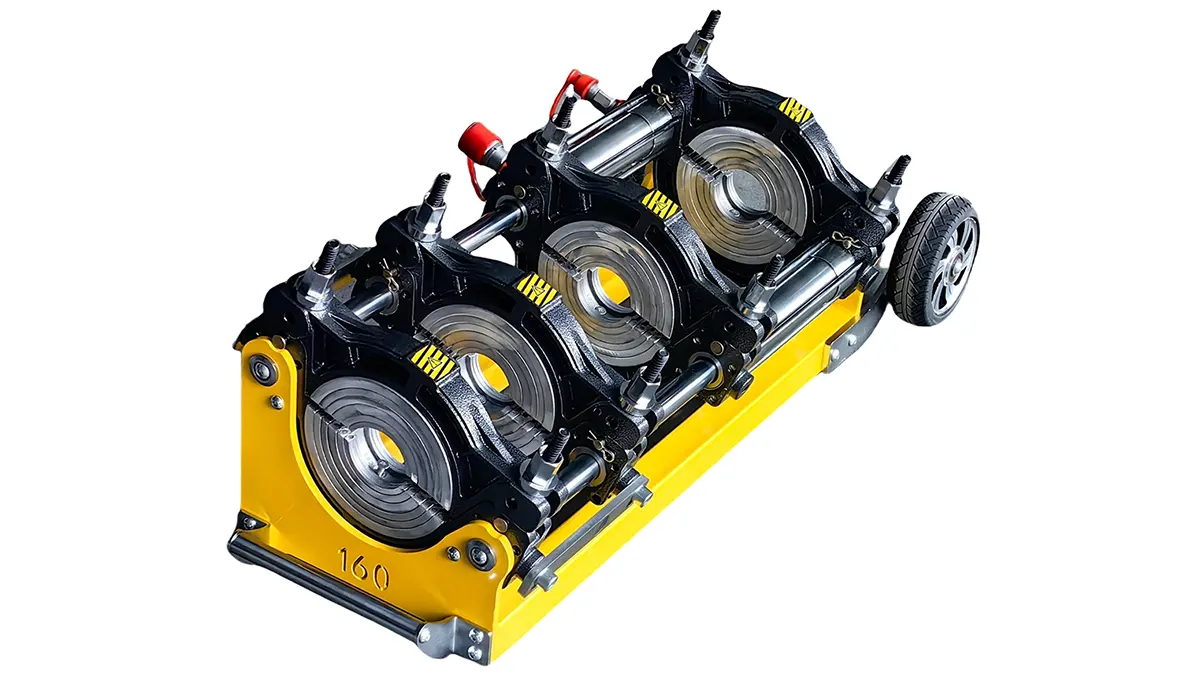
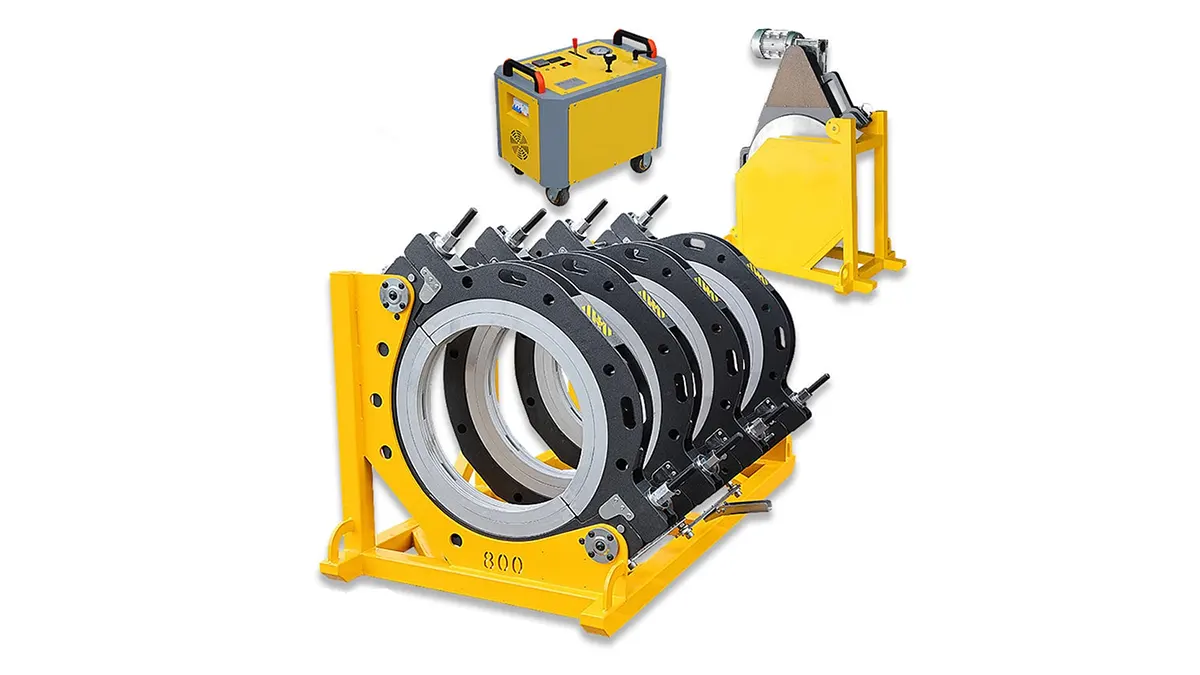
Hydraulic power unit — stable, adjustable pressure for consistent weld quality.
-
Rigid alignment frame — keeps pipe faces concentric to prevent weak joints.
-
Precision heater plate — uniform temperature with low thermal inertia for clean heating.
-
Interchangeable clamps or jaws — fit various pipe diameters and materials.
-
Digital controls or pressure gauge — monitor fusion parameters and record process values.
Performance Indicators
When evaluating machines, check maximum clamping force (kN), supported pipe diameter range (mm/inch), heater temperature range, and cycle time. Robust build and corrosion-resistant components increase field longevity.
Benefits of Choosing a Hydraulic Unit
-
Repeatable quality: Hydraulic systems apply consistent force, reducing operator variability.
-
Higher capacity: Suited for mid to large diameter pipes where manual methods struggle.
-
Faster cycle times: Efficient clamping and controlled ramming speeds speed up site productivity.
-
Safer operation: Smooth pressure control and secure jaws minimize slippage and rework.
Buying Guide — How to Choose the Right Machine
Step 1 — Match Capacity to Your Projects
Identify the pipe diameter range and wall thickness you most frequently weld. Small jobbags (≤160 mm) can use compact hydraulic units, while large infrastructure projects require heavy-duty machines rated for 800 mm and above.
Step 2 — Check Functionality and Controls
Decide between semi-automatic and full automatic controls. For field crews, simple pressure gauges and manual adjustments may suffice; for high-volume fabrication yards, programmable control stations and data logging improve traceability.
Step 3 — Inspect Build Quality and Serviceability
Look for welded steel frames, replaceable wear parts, accessible hydraulic components, and availability of spare jaws/heater plates. Field-serviceable designs reduce downtime.
Quick Comparison Table
| Criteria | What to look for | Recommended range |
|---|---|---|
| Pipe diameter capacity | Clamping range and jaw options | 63 mm–2500 mm (choose model accordingly) |
| Hydraulic pressure | Stable adjustable pressure, safety relief | Up to 250 bar depending on model |
| Temperature control | Accurate heater plate thermostats | Up to 260°C with digital readout preferred |
| Mobility | Lightweight frames or forklift pockets for site moves | Trailer-mounted or frame handles for field use |
Maintenance & Best Practices
-
Keep heater plates clean and free of contamination; use manufacturer-recommended cleaning pads.
-
Inspect hydraulic hoses and fittings regularly for wear and replace seals on schedule.
-
Calibrate temperature sensors and pressure gauges annually to ensure process control.
-
Store spare jaws, heater plates, and a basic hydraulic tool kit on-site to reduce downtime.
Operator Training
Consistent weld quality depends on trained operators who follow fusion procedures: facing, alignment, heating, upset, and cooling times. Documented procedures and periodic competency checks will reduce joint failures.
Common FAQs
Is a hydraulic machine necessary for every job?
Not always. For small diameter, low-volume work, manual machines can be sufficient. For larger diameters, higher throughput, or greater consistency, hydraulic units are strongly recommended.
How important is data logging?
Data logging provides traceability for quality assurance and helps diagnose any joint issues. Where regulation or client specs require records, choose machines with digital control and export capability.
Where to Learn More
For a broad selection of hydraulic and automatic butt fusion machines from a specialized manufacturer, contact JQ-Fusion for model options, spare parts, and service solutions: https://jq-fusionwelding.com/



