
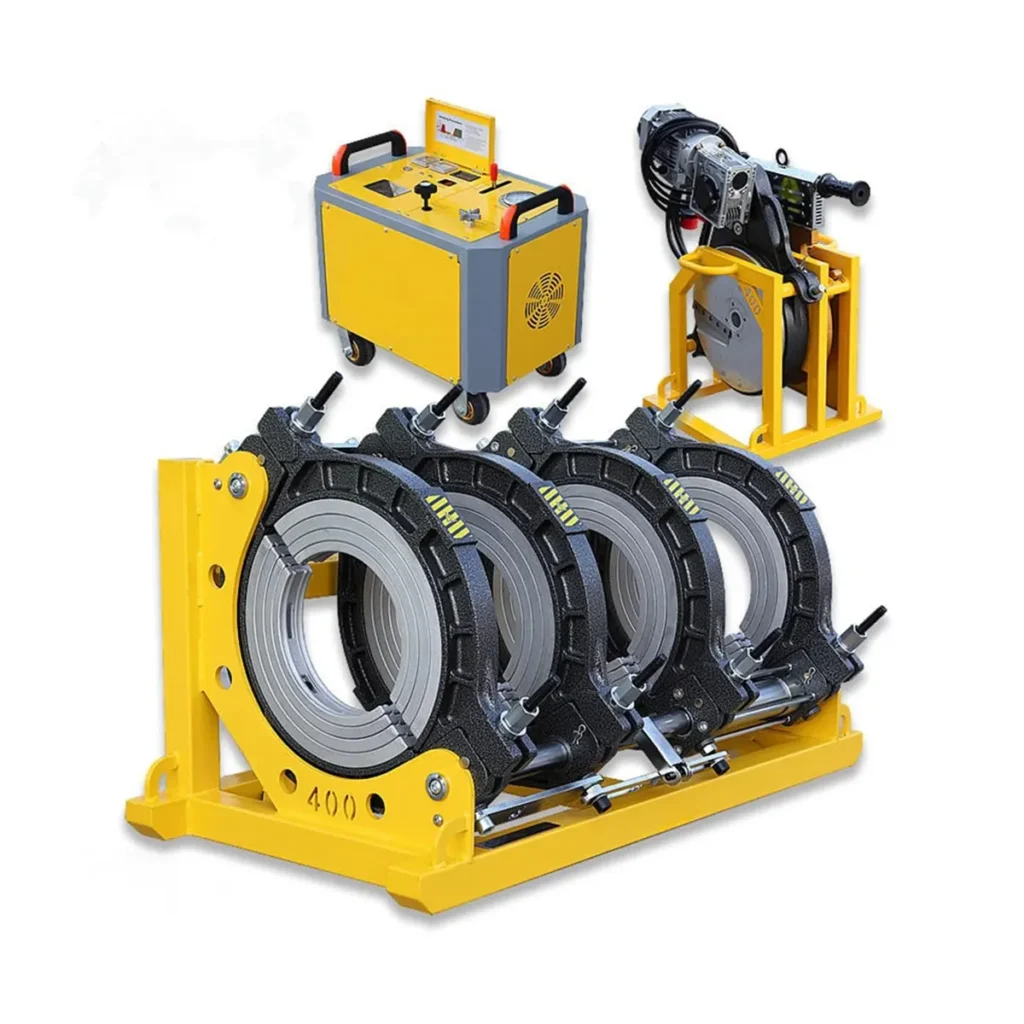
Plastic pipe welding is central to expanding Guatemala’s water, irrigation and energy networks — from urban utility upgrades in Guatemala City to rural irrigation systems in the Western Highlands. Choosing the right HDPE welding machine improves joint reliability, speed and lifecycle performance for pipelines spanning household service lines to large municipal mains.
Why Butt Fusion Welding Fits Guatemala’s Infrastructure Needs
Butt fusion welding creates homogeneous joints in HDPE and other thermoplastic pipes, delivering leak-free connections that withstand seismic movement and tropical weather. In Guatemala, projects that benefit most include:
- Municipal water supply and sewer upgrades in urban and peri-urban areas
- Smallholder and commercial irrigation systems in Alta Verapaz and Quetzaltenango
- Mining and industrial pipelines in the Southeast and mining belts
- Gas distribution and potable water distribution for new housing developments
Benefits for Guatemalan Contractors and Utilities
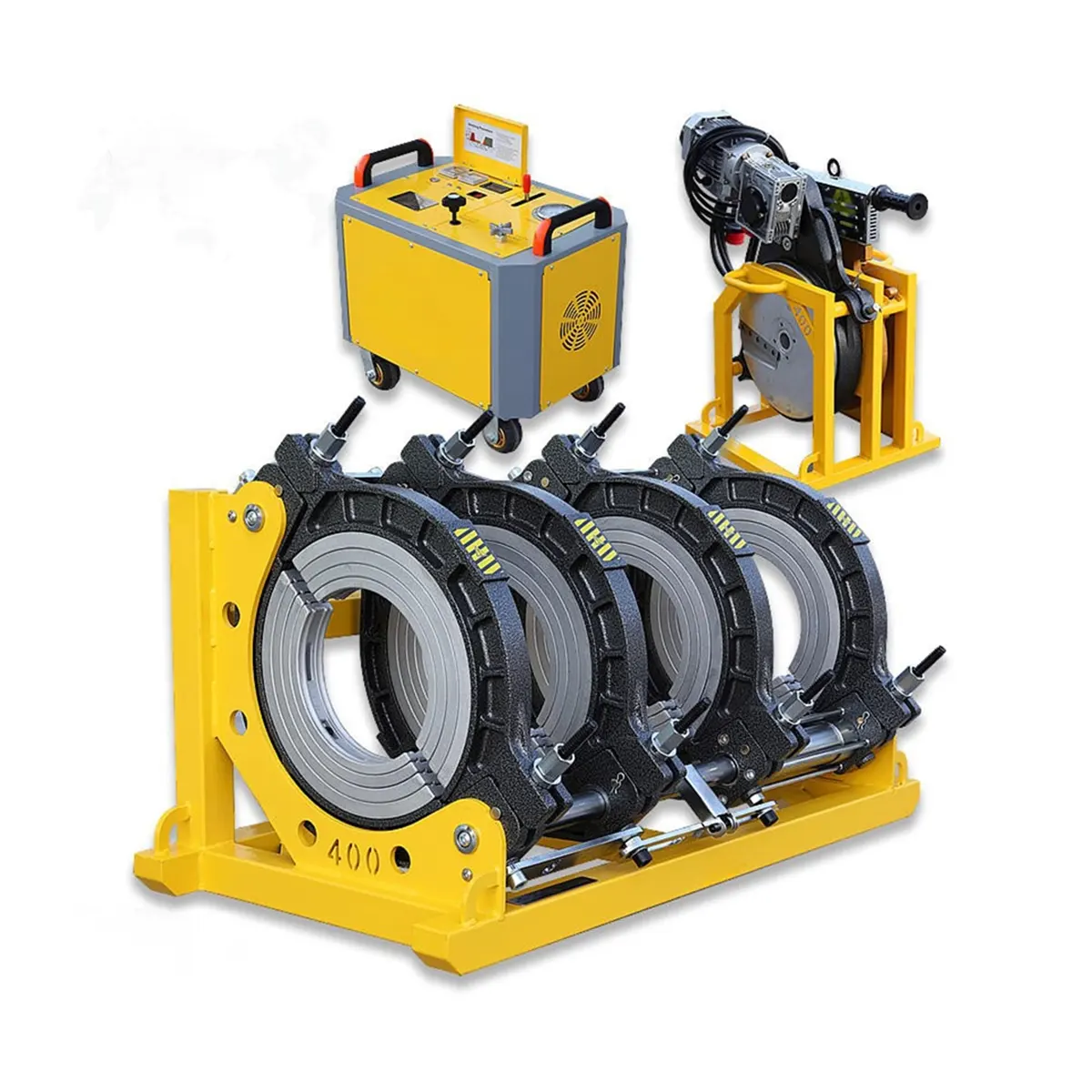
Durability: Butt fusion delivers joints as strong as the pipe itself — critical in zones with ground movement. Efficiency: Hydraulic and automatic machines reduce onsite time, lowering labor costs where skilled welders are limited. Adaptability: Machines can be used in remote highland sites or congested city streets.
Types of Plastic Pipe Welding Machines
Manual Butt Fusion Machines (Entry-level)
Compact and portable for small repairs and service connections. Best for community-level water projects and contractors performing low-volume welding.
Hydraulic Butt Fusion Machines (Mid-range)
Offer controlled pressure and heating for larger diameters. Ideal for municipal mains and irrigation trunklines across varied terrain, common in regional development projects.
Automatic/CNC Butt Fusion Machines (High-end)
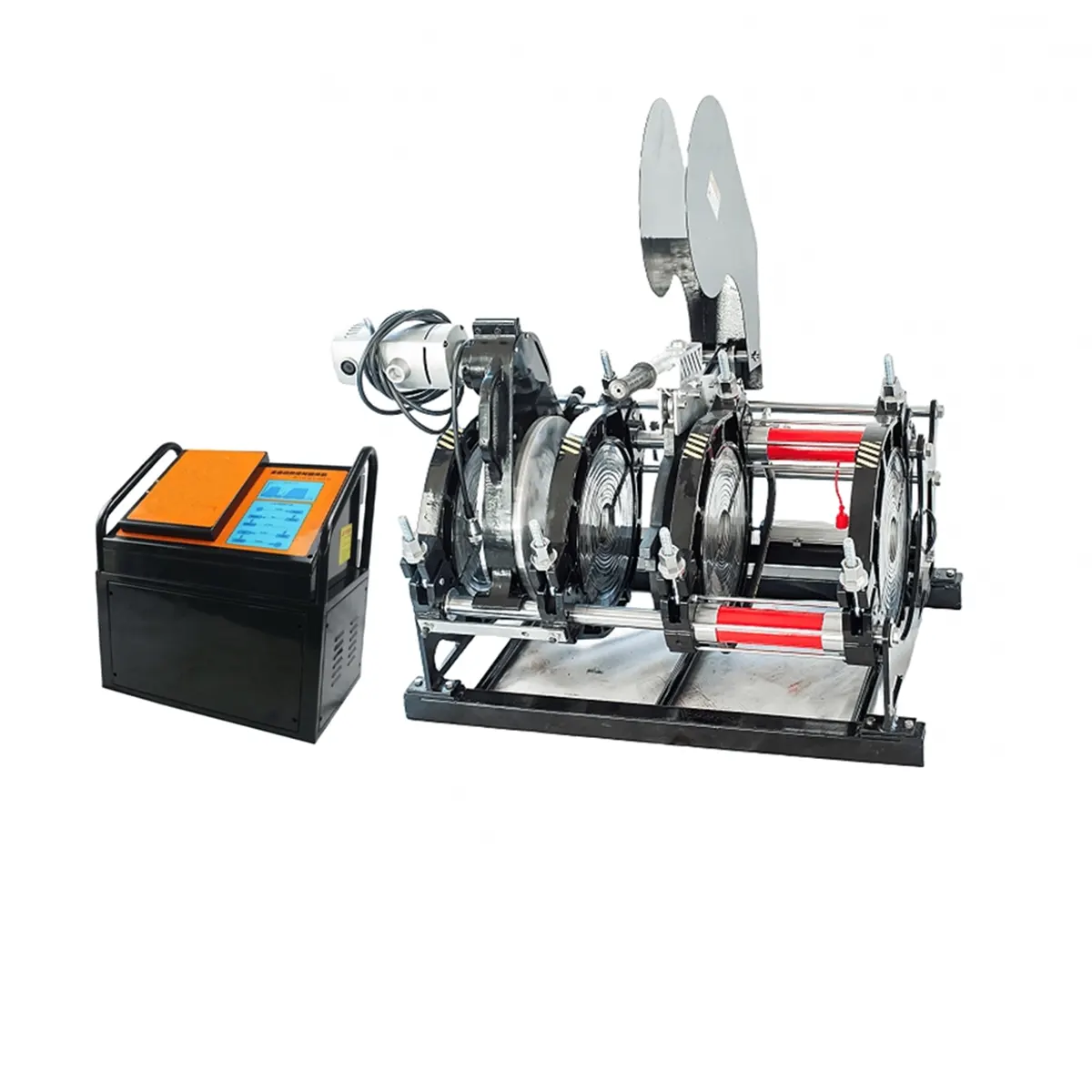
Programmable welds, data logging and rapid cycle times for industrial or large-scale municipal programs. Recommended for long pipeline runs and projects requiring documentation for international funding.
Buying Guide: What Guatemalan Buyers Should Consider
Selecting the right machine involves matching equipment to project scale, site access and local skill levels. Key decision factors:
- Pipe diameter range: Match machine clamp sizes to common project pipes (20mm to 2250mm exist — choose accordingly).
- Portability vs. production: Manual units are lightweight; hydraulic/automatic units increase throughput for big contracts.
- Power source: Consider diesel generators or electric options depending on site power in remote areas.
- Spare parts & service: Local availability of heating plates, hydraulic components and trained technicians reduces downtime.
- Documentation & QA: Automatic machines with weld logs are preferred for projects funded by international lenders or NGOs.
- Training: Factor in operator training in Spanish and hands-on certifications for quality assurance.
Quick Comparison Table
| Machine Type | Best For | Typical Diameters | Advantages |
|---|---|---|---|
| Manual Butt Fusion | Small repairs, rural service lines | 20mm–160mm | Portable, low cost, simple maintenance |
| Hydraulic Butt Fusion | Municipal & irrigation mains | 63mm–1000mm | Stable pressure control, suitable for fieldwork |
| Automatic / CNC | Large pipelines, industrial projects | 110mm–2250mm | High repeatability, data logging, faster cycles |
Best Uses & Project Examples in Guatemala
Common local applications where HDPE welding machines deliver strong ROI:
- Community potable water distribution networks in rural municipalities
- Irrigation mains for coffee and vegetable farms across variable elevations
- Sewer and stormwater upgrades in growing urban areas prone to flooding
- Industrial and mining conveyance pipes requiring corrosion-resistant solutions
Environmental and Regulatory Tips
Account for rainy seasons when planning outdoor welds; schedule critical fusion work during dry months. Confirm import documentation, customs duties and local standards compliance (material certification and weld records are often requested by municipal authorities and funders).
Installation, Training & Onsite Best Practices
Operator training in Spanish is essential — invest in hands-on fusion workshops to ensure correct alignment, facing, heating and cooling practices. Use standard procedures for butt fusion, maintain clean heating plates and ensure clamps are corrosion-free to avoid weak joints.
- Keep a portable shelter for welds during sudden showers
- Use calibrated thermometers and pressure gauges for QA
- Document every weld for warranty and funding compliance
Maintenance & Spare Parts to Stock in Guatemala
Stock common consumables and spares locally to avoid shipment delays: heating plates, scraper blades, hydraulic seals, pressure hoses and electric components. A preventive maintenance plan extends machine life, especially in humid or dusty environments.
Where to Buy and Project Support
For reliable HDPE pipe welding solutions, institutions and contractors in Guatemala look for manufacturers offering a broad product range, documentation in Spanish, and responsive spare parts support. JQ-Fusion provides manual, hydraulic and CNC automatic butt fusion machines across many diameters and supports international infrastructure projects.



