
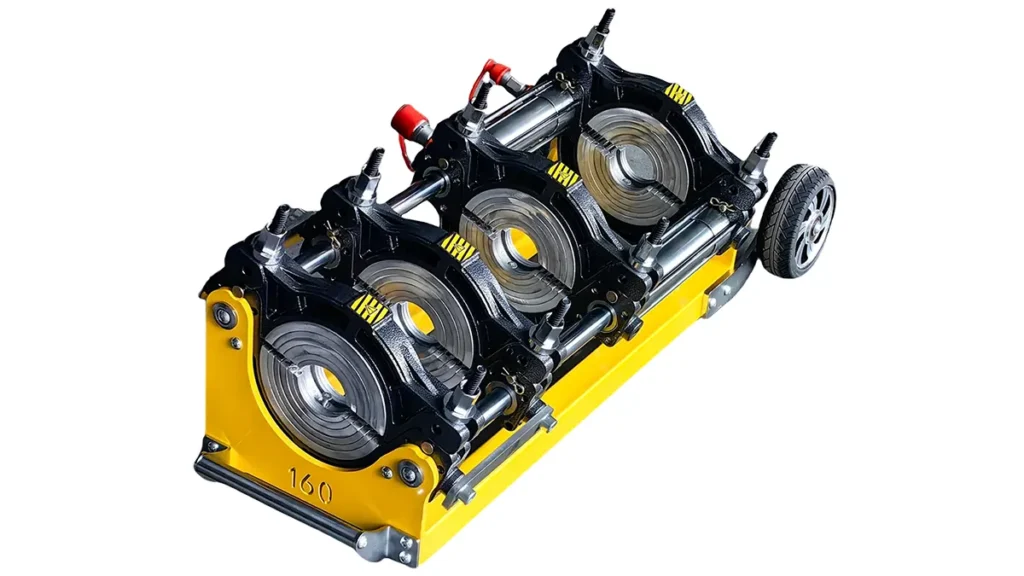
Using a gas pipe welding machine safely and effectively requires the right preparation, careful attention to procedure, and routine maintenance. This guide explains practical steps for HDPE butt fusion welding used in gas distribution systems, helping technicians achieve reliable joints, reduce rework, and stay safe on site.
Before You Start: Site & Equipment Preparation
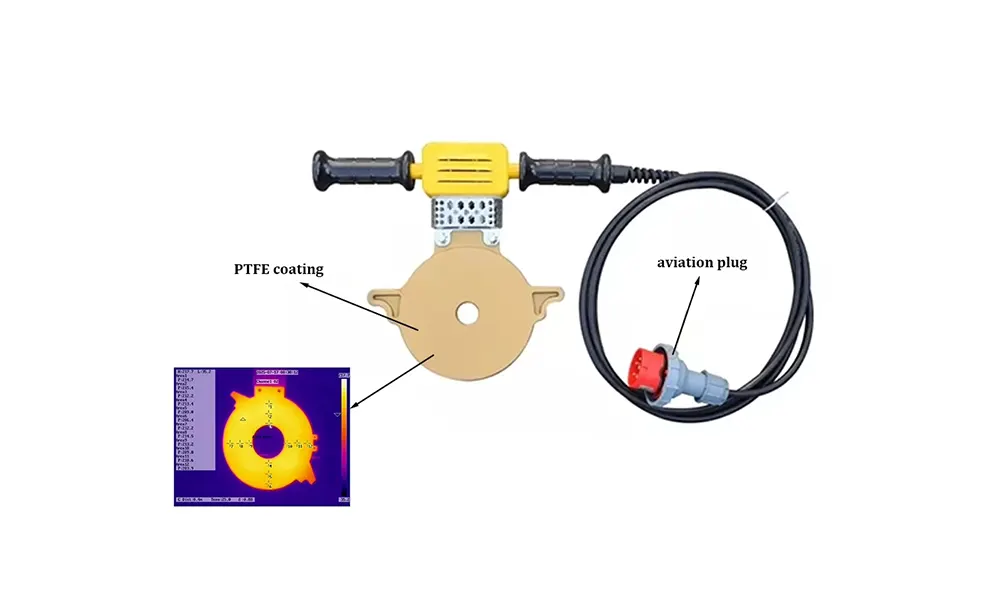
Inspect the machine: check clamps, heating plate, scrapers, and hydraulic/pneumatic components. Ensure the heating element surface is clean and damage-free. Verify calibration of temperature controls and pressure gauges.
Personal protective equipment: wear safety glasses, heat-resistant gloves, long sleeves, and safety boots. For confined spaces or gas lines, ensure gas monitoring and appropriate ventilation are in place.
Materials and environment: confirm pipe material (HDPE grade) and SDR, remove dirt and moisture around the weld zone, and park the machine on level, stable ground. Keep a dry, shaded area for the heating plate to prevent overheating from direct sun if working outdoors.
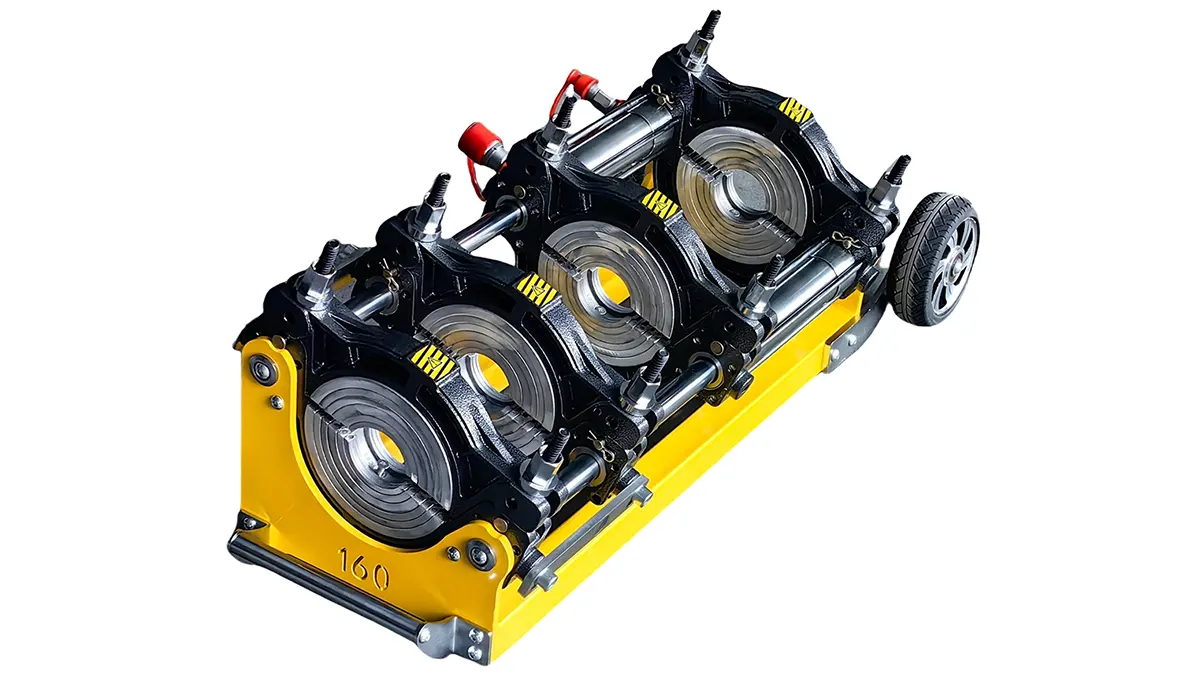
Step-by-Step Welding Procedure
Step 1: Cut and face the pipe ends. Use a proper trimmer to achieve square, smooth faces. Remove burrs and contamination with the scraper.
Step 2: Align and clamp. Center the pipes in the machine clamps, check alignment and gap dimensions per manufacturer instructions. Misalignment causes weak joints.
Step 3: Heating stage. Bring the heating plate to the specified temperature and press it gently between the pipe ends until a uniform melt bead appears. Avoid excessive pressure that squeezes out too much material.
Step 4: Fusion and hold. Remove the heating plate, bring the molten ends together under controlled pressure, hold for the specified fusion time, then reduce pressure for controlled cooling to form a strong joint.
Recommended Welding Parameters (Typical HDPE – use project specs when available)
| Pipe OD (mm) | Heater Temp (°C) | Heating Time (s/mm) | Fusion Pressure | Cooling Time (min) |
|---|---|---|---|---|
| 20–63 | 200–220 | 10–20 s/mm | Light to moderate | 2–5 |
| 75–250 | 200–220 | 8–15 s/mm | Moderate | 5–15 |
| >250 | 200–220 | 6–12 s/mm | Controlled hydraulic | 10–30 |
Quality Control & Testing
After cooling, visually inspect the bead for uniformity, absence of voids, and consistent bead height. For critical gas lines, perform a pressure test and, if required, non-destructive testing per local codes. Record the weld parameters (temp, times, pressures) for each joint to ensure traceability.
Safety Checklist (Must-do before each weld)
Confirm gas safety: ensure lines are purged and isolated as required. Never weld on a live gas line.
Fire precautions: keep a fire extinguisher and first-aid kit nearby. Clear flammable material away from the work area.
Electrical & hydraulic checks: verify all electrical connections are safe and hydraulic hoses show no leaks.
Maintenance & Storage Tips
Keep the heating plate surface covered during transport. Clean scrapers and clamps after each shift. Replace worn seals and check alignment pins regularly. Store in a dry, dust-free area and service the machine at intervals recommended by the manufacturer.
Common Troubleshooting
Uneven beads: check alignment and plate temperature. Cold joints: increase heating time or verify heater calibration. Excessive bead flash: reduce fusion pressure or shorten heating time. If pressure controls behave erratically, inspect hydraulic fluid level and filters.
Practical tips: keep a weld log, train operators on machine-specific controls, and always follow pipe manufacturer fusion charts. For large-diameter or automated machines, use documented procedures and consider third-party joint verification for critical gas mains.
JQ-Fusion: a professional manufacturer of HDPE butt fusion welding machines, offering manual, hydraulic, and CNC automatic solutions for gas distribution and infrastructure projects. https://jq-fusionwelding.com/



