
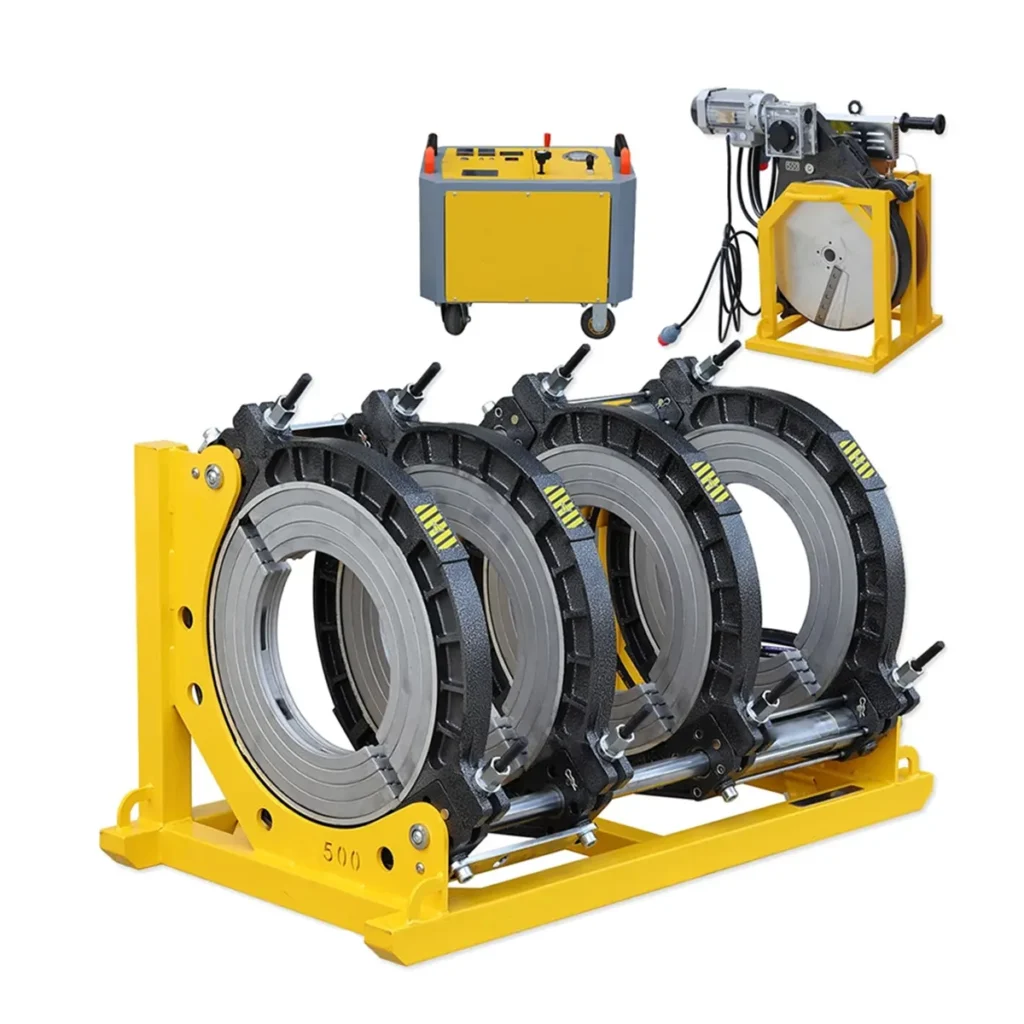
South Korea’s rapid urban development and extensive utility upgrades have increased demand for reliable HDPE pipe welding equipment. If you’re a contractor, distributor, or utility manager evaluating pipe fusion machines in South Korea, this guide explains types, applications, buying tips, and local considerations to help you choose the right solution.
Why South Korea Chooses Butt Fusion for HDPE Pipelines
Butt fusion (pipe fusion) creates homogenous, leak-free joints ideal for water supply, district heating, gas distribution, and industrial pipelines. In South Korea, where seismic resilience and long-term durability are priorities, HDPE butt fusion is popular for:
-
Municipal water and wastewater networks — corrosion resistance and flexibility in cold climates.
-
Gas distribution in expanding suburban and urban areas — strong, pressure-rated joints.
-
Industrial and mining pipelines — chemical resistance and reduced maintenance.
Key Local Considerations
South Korean projects often require adherence to national and international standards (KS, ISO), fast delivery schedules, and reliable technical support. Contractors look for machines that are portable, easy to operate by trained teams, and compatible with pipe diameters commonly used in Korea (typically 20mm–1200mm for many utilities).
Types of Pipe Fusion Machines — Which Fits Your Project?
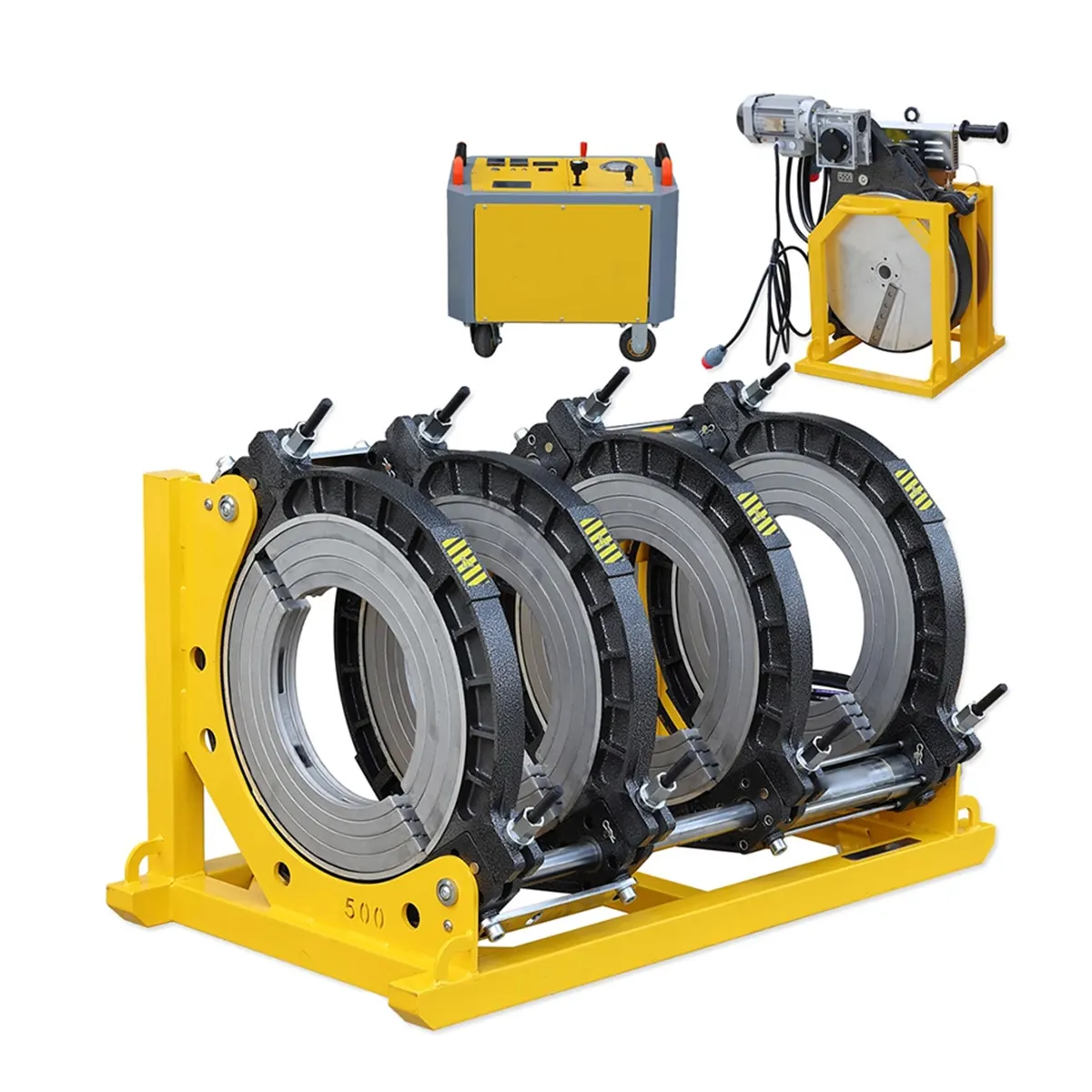
The main categories are manual, hydraulic, and automatic butt fusion machines. Each has advantages depending on project scale and labor skills.
Comparison at a glance
| Type | Typical Diameter Range | Best For | Advantages |
|---|---|---|---|
| Manual | 20mm–315mm | Small jobs, tight budgets | Portable, low cost |
| Hydraulic | 63mm–1600mm+ | Municipal, industrial, medium-large pipes | Higher clamping force, stable alignment |
| Automatic (CNC) | 63mm–1250mm (varies) | Large projects, high repeatability | Precise control, data logging |
Selecting by Application
For municipal pipeline contractors across Korea, hydraulic and automatic machines are often preferred for speed and consistency. For small maintenance teams or remote island projects, manual fusion machines offer low logistical requirements.
Buyer’s Checklist: What to Inspect Before Purchase
-
Compatibility: Confirm clamp sizes, heater plate dimensions, and pipe SDR compatibility.
-
Standards & Certification: Check for KS, ISO, or CE markings and traceable weld records for quality assurance.
-
After-sales & Spare Parts: Local support and quick access to heaters, cutters, and clamps reduce downtime.
-
Training: Operator training and clear manuals (Korean language preferred) speed safe adoption.
-
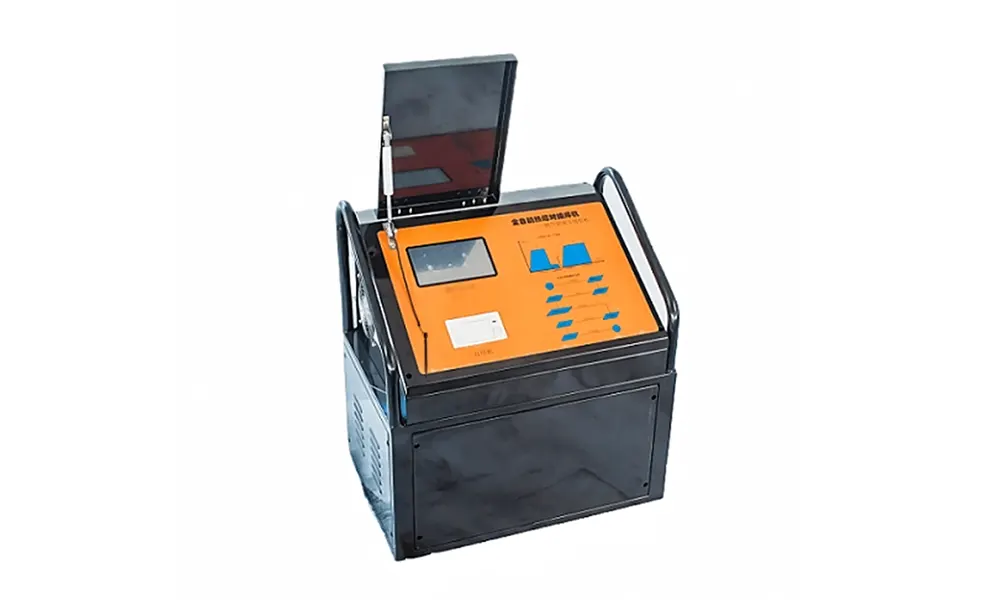
Data Logging (for automatic machines): Digital records are useful for public works contracts and QA documentation.
Maintenance and Operation Tips
Regular maintenance extends machine life: keep heater plates clean, check hydraulic oil and seals, calibrate alignments, and store equipment in dry, temperature-controlled conditions. In Korea’s humid coastal zones, corrosion protection for moving parts is important.
Cost Considerations & Renting vs Buying
Small contractors in South Korea often rent manual or mid-range hydraulic machines for short projects, while municipal utilities and EPC contractors invest in automatic systems to meet large-scale requirements efficiently. Evaluate lifecycle cost — purchase price, spare parts, training, and expected utilization.
Where to Source Machines
When sourcing, consider suppliers with proven HDPE experience and international project references. One such manufacturer with global experience is JQ-Fusion, specializing in manual, hydraulic, and CNC automatic butt fusion welding machines for a wide range of pipe sizes.
Final Advice for South Korean Buyers
Match the machine to project scale, require appropriate certifications, ensure local support and operator training, and factor total cost of ownership. Choosing the right pipe fusion machine will improve installation speed, joint integrity, and long-term reliability for South Korea’s critical pipeline projects.



