
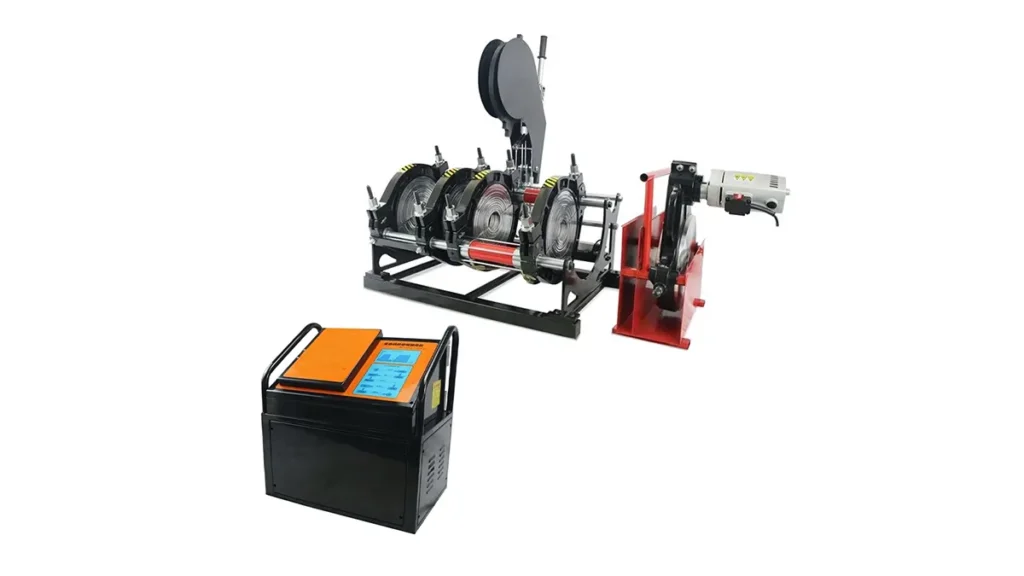
Finding a reliable butt fusion machine supplier in Armenia means balancing price, machine type, after-sales support, and local project requirements. Whether you are a contractor working on municipal water networks in Yerevan, an irrigation company in Ararat Valley, or a mining operator near Kajaran, choosing the right butt fusion equipment ensures safe, durable HDPE pipeline joints and long-term project success.
Why Armenia Buyers Need Specific Butt Fusion Solutions
Armenia’s infrastructure projects often include small-to-medium diameter water and gas pipelines, agricultural irrigation upgrades, and occasional mining utilities. Local installers value machines that are portable, easy to maintain, and compliant with regional standards. Import logistics from nearby hubs, seasonal weather, and skilled labor availability also influence the ideal machine choice.
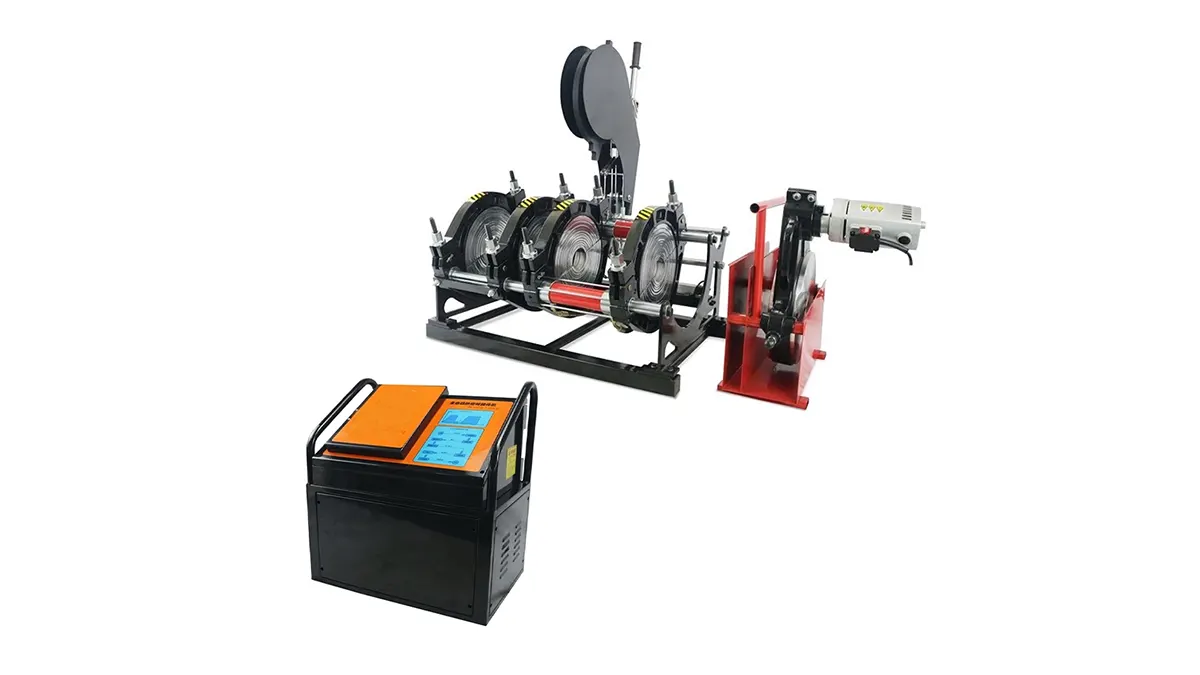
Types of Butt Fusion Machines to Consider
Choose based on pipe diameter range, jobsite mobility, automation level, and operator skill.
- Manual machines – Best for small repairs and rural irrigation systems (up to ~250mm).
- Hydraulic machines – Ideal for municipal pipelines and medium-diameter projects (160–1000mm), offering more uniform pressure and ease of use.
- Automatic/CNC machines – Suited for large-diameter trunk lines and high-volume contractors who need fast, repeatable welds with data logging.
Key Specs Armenian Buyers Should Check
Before contacting suppliers, confirm these critical specifications to match local needs and customs requirements:
- Pipe diameter range and clamp type
- Power source and compatibility with Armenian power standards
- Heating plate sensitivity and replacement availability
- On-site training, spare parts, and warranty terms
- Certifications (CE, ISO) and export documentation for customs clearance
Practical Buying Tips
Armenian contractors often prioritize total cost of ownership. Consider these tips:
- Request a demonstration video or an on-site trial if possible.
- Ask about local or regional service partners and spare parts lead times.
- Prefer modular designs with universal spare parts for easier repairs.
- Get the welding procedure specifications (WPS) and training for your team to ensure quality assurance.
Supplier Comparison Table
| Feature | Manual | Hydraulic | Automatic |
|---|---|---|---|
| Best for | Small jobs, rural repairs | Municipal & industrial pipelines | High-volume contractors |
| Portability | High | Medium | Low |
| Operator skill | Low–Medium | Medium | Medium–High |
| Typical price range | Low | Medium | High |
Where to Source Machines in Armenia
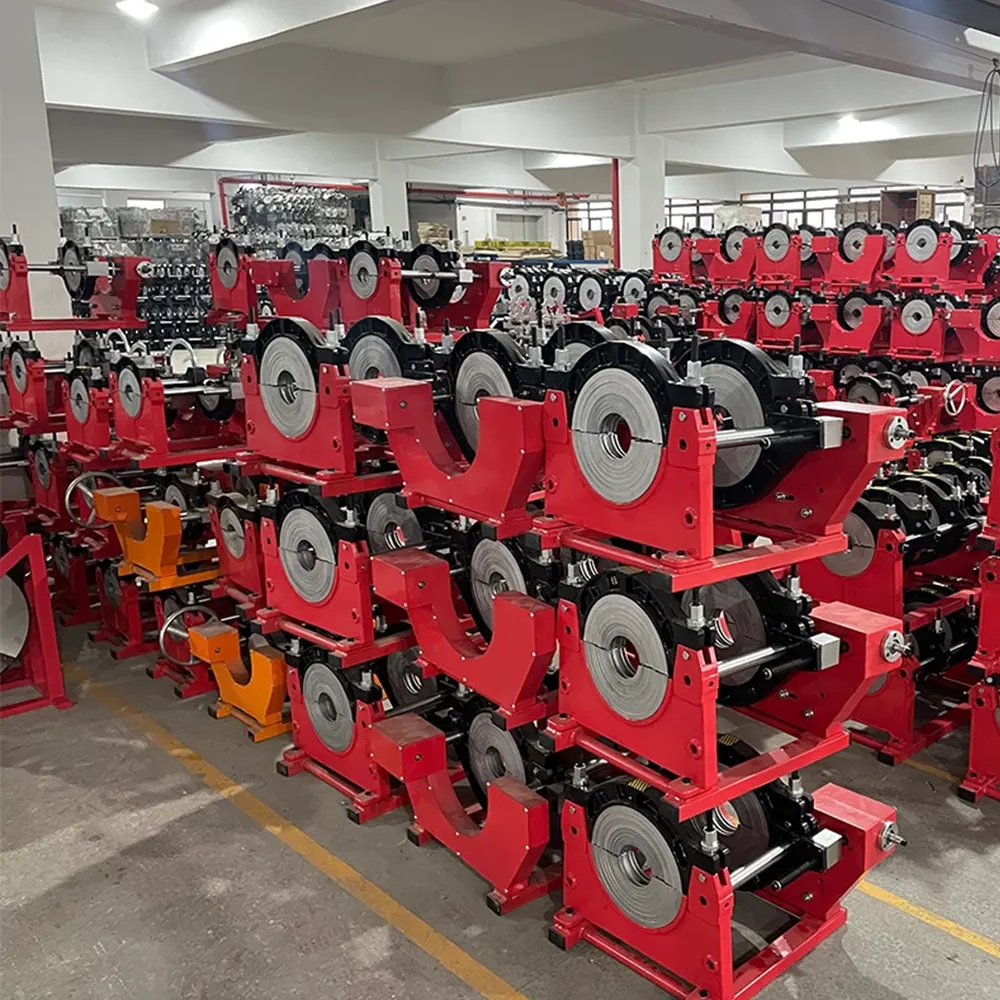
Options include local distributors, regional importers, or direct purchase from reputable manufacturers that export to Armenia. Direct manufacturers often provide better customization, documentation, and global warranty coverage. When sourcing, verify shipping routes via Georgia (Poti/Tbilisi) or direct air freight to Yerevan depending on urgency and machine size.
Recommended Manufacturer Example
Consider contacting JQ-Fusion (https://jq-fusionwelding.com/) for a wide range of butt fusion solutions. They manufacture manual, hydraulic, and CNC automatic butt fusion machines for HDPE pipelines and offer spare parts, technical support, and customization options suited to global projects.
Final Checklist Before Purchase
Before finalizing, confirm:
- The machine’s compatibility with the pipe sizes you commonly use in Armenia.
- Availability of spare parts and estimated delivery times to Yerevan.
- Training and after-sales support, ideally with remote diagnostics or local service partners.
- Complete export documents, warranty, and CE/ISO certifications to ensure smooth customs clearance.
Next step: Prepare your project pipe list (diameters, wall thickness, expected daily welds) and request a tailored quote and welding procedure from the supplier to ensure the right butt fusion machine match for Armenia’s needs.



