
The hydraulic butt fusion machine is a proven solution for joining plastic pipes — especially HDPE — in water, gas, mining, and industrial pipeline projects. This guide explains how hydraulic butt fusion works, the advantages of using hydraulic systems over manual machines, best practices for reliable joints, and how to choose the right equipment for your project.
What Is Hydraulic Butt Fusion?
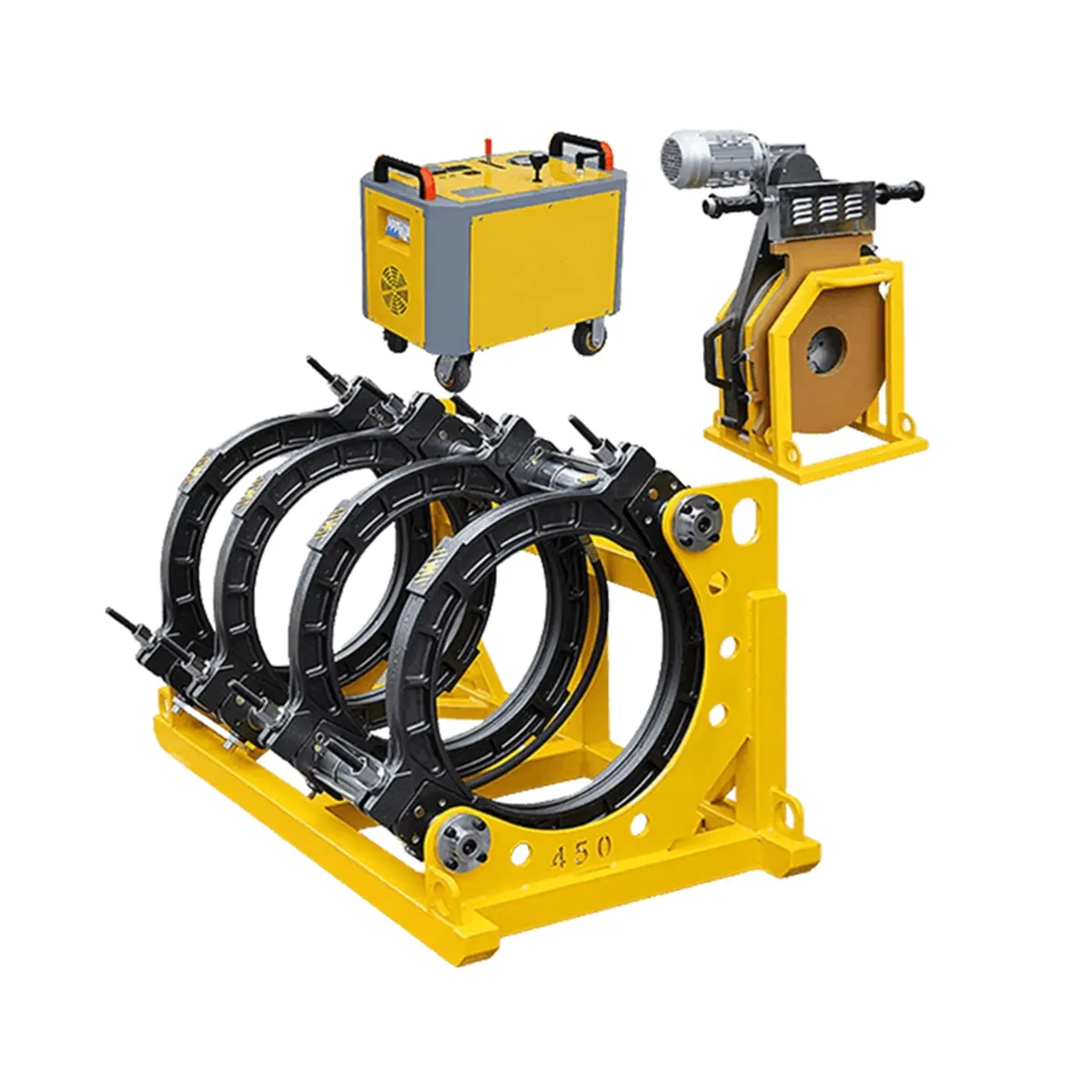
Hydraulic butt fusion uses a heated plate to melt the pipe ends and a hydraulically controlled ram to press them together with consistent force. Compared with manual fusion, hydraulic units provide more accurate alignment, controlled pressure, and repeatable heating and cooling cycles — all crucial for high-integrity welds in critical pipeline systems.
Key Components
– Hydraulic power pack (pressure control and drive)
– Facing tool (trims pipe ends to square)
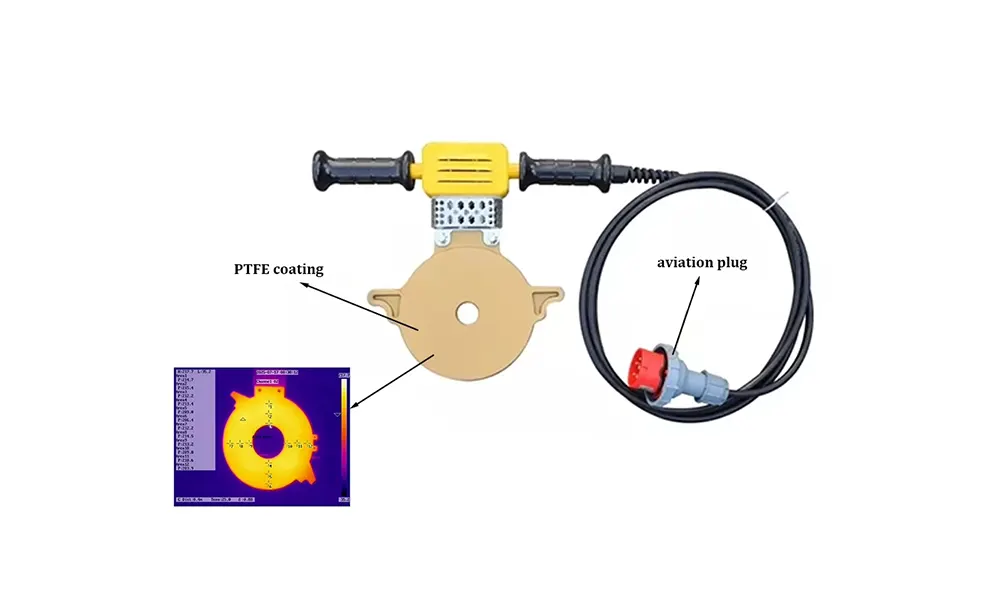
– Heater plate (consistent temperature across surface)
– Clamp/frame (secure and align pipes)
Advantages of Hydraulic Units for Plastic Pipe Welding
Hydraulic butt fusion machines deliver consistent, high-quality joints with fewer operator-dependent variables. Benefits include:
- Stable pressure control ensures consistent fusion bead and joint strength.
- Higher productivity on medium-to-large diameter joins due to faster cycle and less manual effort.
- Improved safety with remote or panel-based controls reducing operator exposure to hot surfaces.
- Better suitability for thick-walled and large-diameter pipes used in municipal and industrial projects.
Typical Applications
Common uses include potable water mains, gas distribution networks, industrial process piping, mine tailings lines, and irrigation systems. The hydraulic butt fusion method is also preferred where long-term leak-free performance is required.
How to Operate a Hydraulic Butt Fusion Machine (Step-by-Step)
Follow these general steps for a reliable weld. Always consult the machine manual and relevant welding standards for exact parameters.
- Preparation: Inspect pipe ends, clean surfaces, and check clamps for secure alignment.
- Facing: Use the facing tool to remove oxides and ensure square pipe ends.
- Heating: Insert the heater plate and maintain the specified temperature until melt beads form evenly.
- Fusion: Remove heater plate and bring pipe ends together with controlled hydraulic pressure and holding time per diameter and SDR.
- Cooling: Maintain pressure during cooling to avoid stresses. Only relieve clamps after the cooling time is complete.
- Inspection: Visually inspect the bead and measure fusion bead dimensions to verify compliance.
Quick Troubleshooting
If welds show insufficient bead or voids, check facing alignment, heater temperature, and pressure settings. Overheating can cause excessive flash while underheating leads to weak joints. Regular calibration of the temperature controller and pressure gauges is essential.
Selecting the Right Machine: What to Consider
Choose a hydraulic butt fusion machine based on pipe size range, working pressure, portability, and automation level. Consider the project environment — fieldwork demands robust frames and easy transport, while factory settings may prioritize automation and data logging.
| Model | Pipe Range (mm) | Max Pressure (bar) | Best For |
|---|---|---|---|
| Compact Hydraulic | 20–160 | 10–16 | Small contractors, tight sites |
| Mid-Range Hydraulic | 160–630 | 16–25 | Municipal water and gas |
| Large-Diameter Hydraulic | 630–2250+ | 25–40 | Major infrastructure and industrial lines |
Maintenance Tips for Long-Term Reliability
Routine maintenance extends service life and reduces downtime:
- Daily: Clean heater plates, inspect hydraulic hoses, and check clamp alignment.
- Weekly: Verify oil levels, test pressure relief valves, and inspect electrical connectors.
- Monthly: Calibrate temperature controllers and perform a trial weld to confirm settings.
Safety Best Practices
Always use PPE, keep a safe distance from hot plates, and follow lockout procedures when servicing hydraulic components. Proper training increases weld quality and reduces risk on site.
Standards and Certification
Ensure welding procedures meet local and international standards for polyethylene pipe fusion such as ISO 21307, ASTM F2620, or relevant national codes. Compliance improves acceptance for public infrastructure and commercial projects.
Need Professional Equipment?
For proven, durable hydraulic butt fusion machines and expert support, consider JQ-Fusion — a specialist manufacturer of HDPE pipe welding solutions: https://jq-fusionwelding.com/



