
Electrofusion welding machines are essential tools for reliable HDPE pipe jointing and leak-free pipeline networks. This guide explains how modern electrofusion units improve installation speed, consistency, and long-term performance for water, gas, and industrial piping systems.
What Is an Electrofusion Welding Machine?
Electrofusion machines heat embedded coils in electrofusion fittings to fuse HDPE pipe ends together. The controlled electrical heating process produces strong, homogeneous joints with minimal operator variability — a major advantage over mechanical fittings and traditional joining methods.
Core Components
Typical electrofusion equipment includes a power control unit, a digital welding controller, clamps or saddles to hold pipe and fittings, and connectors compatible with a wide range of fitting types. Built-in process logging and programmable welding profiles are common in modern units.
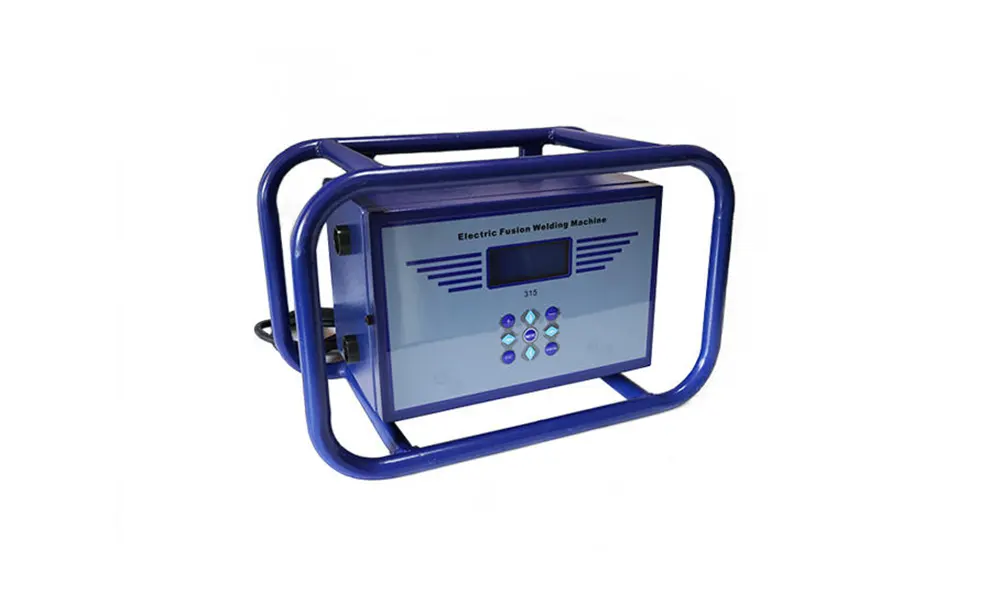
Key Benefits for Contractors and Utilities
Consistency: Precise current and time control reduce human error. Traceability: Many machines log weld parameters for QA/QC. Speed: Faster joints mean lower labor costs on long runs.
Applications Across Industries
Electrofusion is widely used in municipal water distribution, gas networks, mining installations, and industrial pipelines where HDPE is preferred for corrosion resistance and flexibility. Its suitability for repairs and tight-space joints makes it indispensable on urban projects and remote sites alike.

Selecting the Right Machine
Choose an electrofusion unit based on pipe diameter range, output power, weld profile library, and the availability of features like battery operation for field work. Consider machines with built-in voltage/current stabilization for consistent performance on long welds or fluctuating supply.
Model Comparison at a Glance
The table below highlights common specification points to compare when evaluating electrofusion machines and controllers.
| Feature | Basic Unit | Advanced Controller |
|---|---|---|
| Pipe Diameter Range | 20–315 mm | 20–1200 mm |
| Power Source | Mains / Basic battery | Mains / High-capacity battery |
| Weld Profiles | Manual entry | Preloaded & programmable |
| Traceability | Optional log | Integrated logging & export |
| Field Durability | Standard | Ruggedized / IP-rated |
Installation Tips for Reliable Joints
Surface preparation is critical: clean pipe ends thoroughly, remove oxidation, and position fittings correctly. Use the manufacturer’s specified clamping pressure and follow the recommended weld cycle. Consistent tooling and trained operators are the difference between occasional failures and decades-long, leak-free operation.
Maintenance and Support
Regular calibration of the welding controller, inspection of power leads and clamps, and firmware updates keep performance optimal. For field teams, portability and simple diagnostics reduce downtime during emergency repairs.
Why Choose JQ-Fusion
JQ-Fusion offers a complete range of electrofusion and butt-fusion welding machines designed for modern pipeline demands, combining durability, accuracy, and service support to help projects meet deadlines and quality standards.
Final Considerations
When specifying electrofusion equipment, balance feature needs with budget and the expected operating environment. Investing in a robust controller with traceability and field-ready power options often pays off through fewer rejects, faster commissioning, and easier compliance with project QA requirements.
Ready to upgrade your pipe jointing workflow? Evaluate machines for diameter capacity, welding profile control, and traceable logging to select the best electrofusion solution for your next project.



