
Bolivia’s infrastructure projects demand robust, reliable pipe-joining solutions that perform across high-altitude Andean sites, Amazon lowlands, and mining operations in Potosí and Oruro. For contractors, municipalities, and mining companies seeking proven HDPE pipeline welding technology, hydraulic butt fusion machines deliver consistent, high-strength joints for water supply, gas distribution, and industrial pipelines.
Hydraulic Butt Fusion Machines: Why They Matter in Bolivia
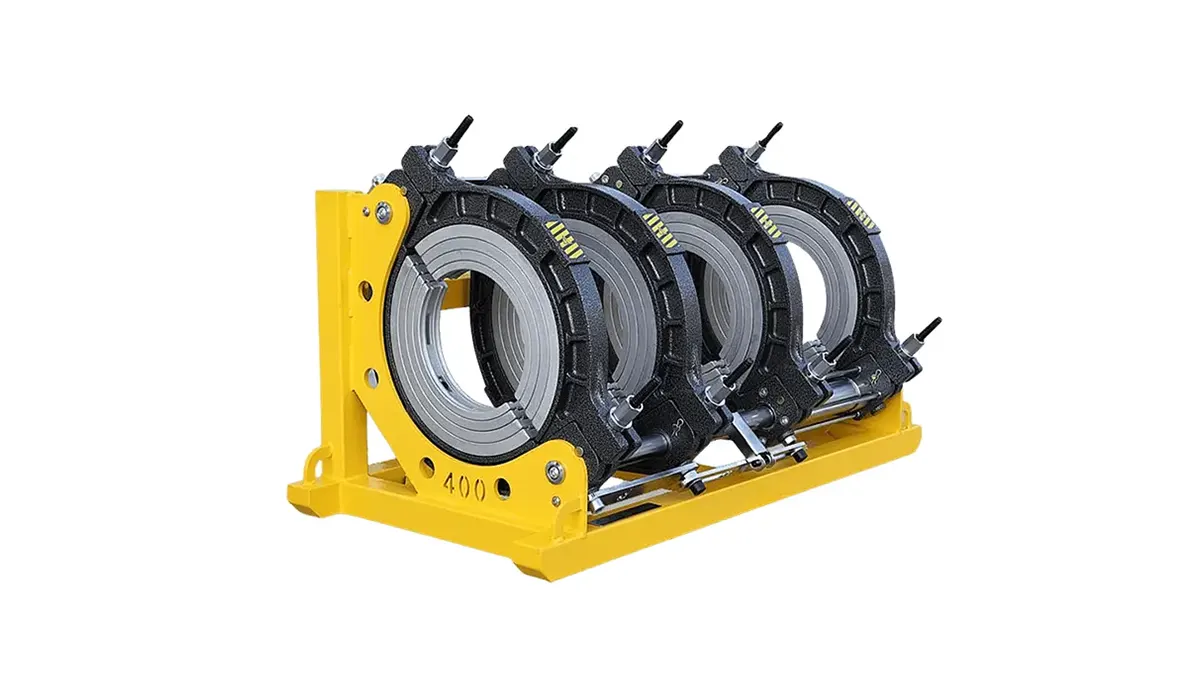
Hydraulic butt fusion equipment is built to handle variable field conditions—from remote plateau work sites to humid jungle environments. These machines apply controlled hydraulic pressure and precise heating to produce uniform, leak-free welds on HDPE pipes. For Bolivian projects, that means fewer repairs, long-term resistance to corrosion and soil movement, and improved safety where access and maintenance can be challenging.

Key Benefits for Bolivian Applications
Durability: Hydraulic systems provide steady force for consistent fusion, critical for pipelines that cross seismic zones or variable thermic cycles.
Precision: Accurate control of pressure and heating reduces joint failures, essential in potable water networks and gas distribution.
Field Mobility: Many hydraulic frames are modular and transportable for remote roadless locations common in Bolivia’s highlands and Amazon basin.
Typical Use Cases Across Bolivia
– Municipal water transmission and rural potable water projects in the Altiplano.
– Gas pipeline installation and repairs near urban centers like La Paz and Santa Cruz.
– Mining pipeline systems for slurry, dewatering, and chemical feed in mining districts.
Compare Models at a Glance
| Model | Pipe Diameter Range | Ideal Application |
|---|---|---|
| Compact Hydraulic (160–315mm) | 160mm–315mm | Rural water lines, small industrial lines |
| Mid-Range (315–630mm) | 315mm–630mm | Municipal mains, medium gas feeders |
| Large-Diameter (800–2000mm) | 800mm–2000mm | Major transmission lines, mining infrastructure |
Installation, Training & After-Sales Considerations
Successful deployment in Bolivia depends on proper operator training, calibration for altitude and temperature differences, and accessible spare parts. In mining and municipal projects, on-site training reduces downtime and improves weld quality. Plan for periodic maintenance checks of hydraulic seals, heating plates, and control systems to maintain consistent results.
Selecting the Right Machine
Match the machine’s pipe diameter range and pressure capacity to your project’s peak requirements. For remote Andean operations, prioritize portability and robust hydraulic stations; for urban utility projects, focus on automation features that speed installation and ensure repeatable weld logs for compliance.
Quick Tips for Long-Term Performance
– Keep heating plates clean and store them in protective cases when not in use.
– Use certified HDPE materials and fusion procedures in line with international standards.
– Maintain hydraulic fluid quality and inspect hoses regularly for wear.
For proven hydraulic butt fusion machines and global supply support, explore JQ-Fusion: https://jq-fusionwelding.com/ — equipment designed for demanding pipeline work across Bolivia’s diverse regions and industries.


