
In Ecuador’s expanding infrastructure landscape, from coastal irrigation networks to Andean municipal water systems and Amazonian gas or mining corridors, reliable HDPE pipe welding is essential. This guide explains practical butt fusion welding machine solutions, site considerations across Ecuador’s diverse climates, and how the right equipment improves project speed, safety, and longevity.
Local Challenges and Why Equipment Choice Matters
Ecuador presents unique installation conditions: high humidity in the Amazon, saline air on the coast, and large temperature swings in the highlands. These factors increase the need for durable clamping systems, corrosion-resistant components, and accurate temperature control during welding to prevent weak joints and reduce rework.
Common Project Types in Ecuador
Water supply upgrades, rural irrigation, municipal sewer upgrades, natural gas distribution, and mining tailings management all rely increasingly on HDPE pipelines. For coastal and offshore-adjacent works, corrosion resistance and UV-stable materials are also priorities.
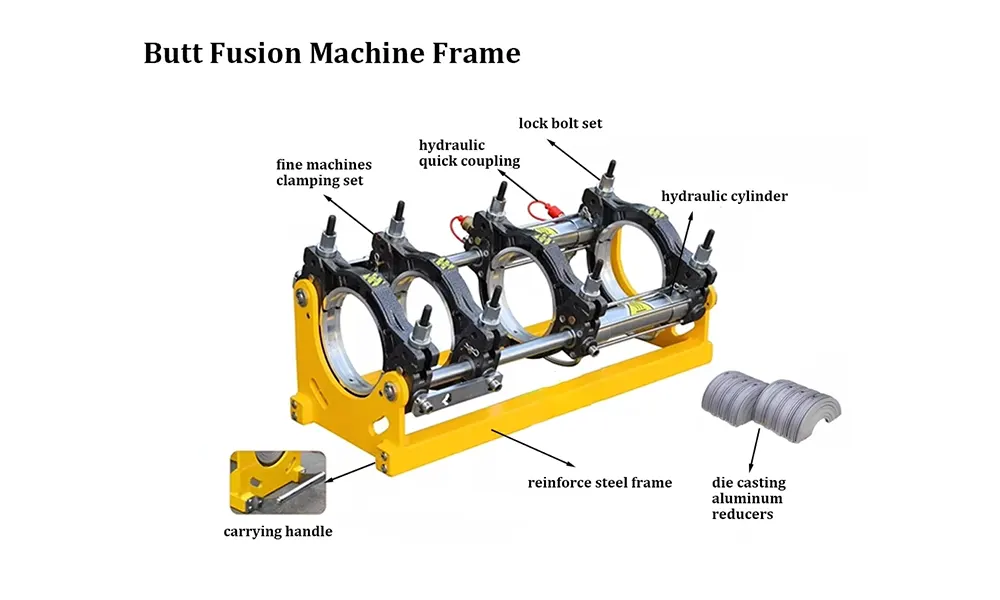
Selecting the Right Butt Fusion Machine
Choose machines based on pipe diameter, site mobility needs, and operator skill level. Manual units are ideal for remote rural repairs and small-diameter work, hydraulic units suit medium-to-large pipelines with improved consistency, and CNC automatic machines deliver the highest repeatability for long runs or factory-style joint production.
Key selection tips
– Match machine clamping capacity to the pipe OD and wall thickness.
– Prioritize heating plate stability and precise heater control for consistent fusion beads.
– Consider portability if working in remote Amazonian locations where access roads are limited.
Recommended Machine Types for Ecuador
| Machine Type | Pipe Range | Ideal Ecuador Applications |
|---|---|---|
| Manual Butt Fusion | 20–315 mm | Rural water delivery & patch repairs |
| Hydraulic Butt Fusion | 63–1250 mm | Municipal pipelines, irrigation canals |
| CNC Automatic Butt Fusion | 160–1250+ mm | Large-scale distribution lines & prefabrication |
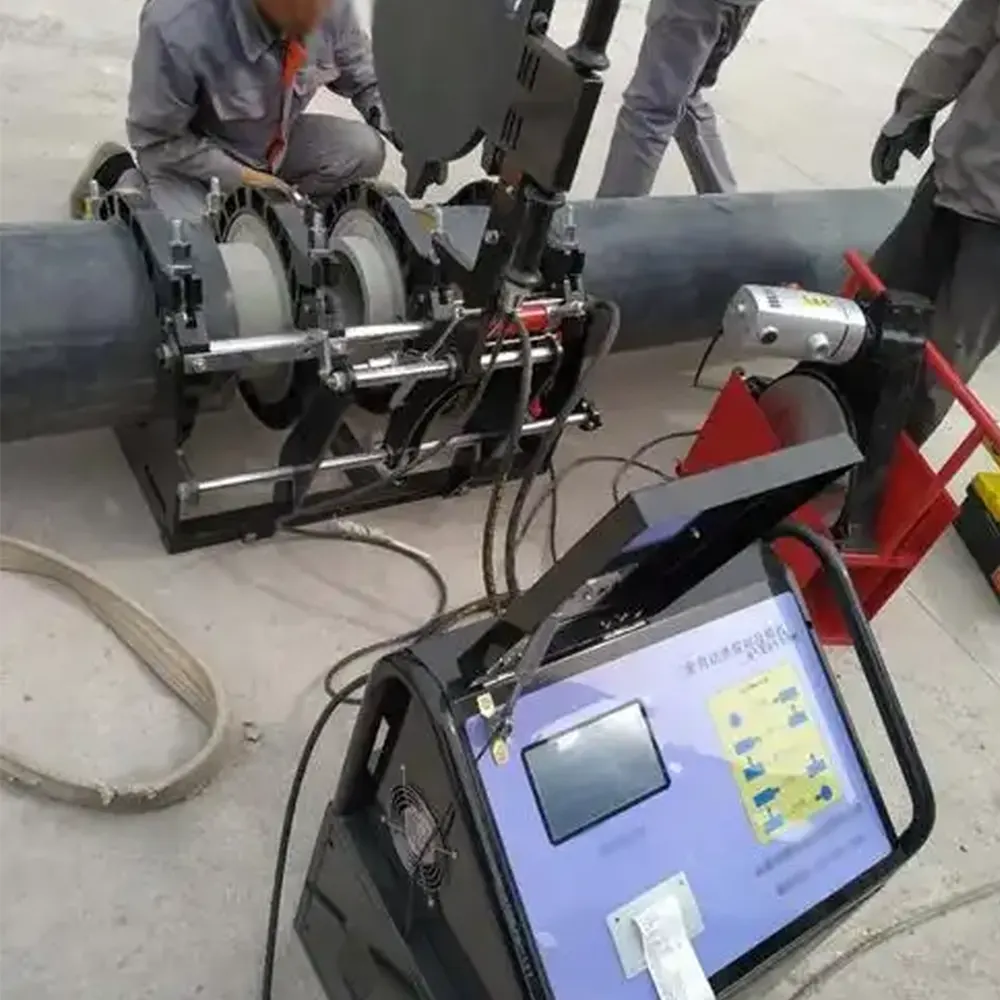
Installation Best Practices for Ecuadorian Sites
Prepare joints on clean, dry surfaces and protect heater plates from sand or salt spray. In high-humidity environments, keep spares and electronics in sealed cases. For mountain installations, monitor fusion temperature closely—altitude can affect heat transfer and cooling rates.
Training, Maintenance and Local Support
Operator training reduces failed joints and rework. Regular maintenance—lubrication, heater calibration, and clamp inspection—keeps uptime high. Stock common spares locally to avoid shipping delays between coast and highlands.
Regulatory & Quality Considerations
Ensure materials and welding procedures meet applicable standards and local norms such as national INEN codes and internationally recognized practices (ISO/EN standards for polyethylene piping). Use traceable welding logs and records to support long-term asset reliability.
Why Invest in Quality Welding Equipment
High-quality machines deliver consistent joint strength, lower lifecycle costs, fewer repairs, and faster project turnarounds—benefits that are especially valuable on remote Ecuador projects where mobilization costs are high.
Company Information
JQ-Fusion provides a broad range of manual, hydraulic, and CNC butt fusion machines, configurable for the varied demands of Ecuador’s water, gas, agricultural, and mining sectors. Visit https://jq-fusionwelding.com/ for specifications and support options.



