
From municipal water networks to large-scale irrigation and mining pipelines, HDPE welding plays a critical role in Morocco’s growing infrastructure. Contractors, utilities, and engineering firms across Casablanca, Rabat, Marrakech, and mining regions require reliable butt fusion and electrofusion solutions that stand up to harsh climates and remote installation conditions.
Why HDPE Welding Matters in Morocco
Durability and leak-free performance are essential for Morocco’s water-scarce regions and phosphate mining operations. HDPE pipes joined by correct fusion methods reduce maintenance costs and prevent contamination. Thermal fusion methods deliver joints as strong as the pipe itself — a major advantage for potable water, irrigation channels, and gas distribution systems.
Project managers in Morocco often face long transport distances, high daytime temperatures, and a mix of urban and rural site conditions. Choosing the right welding machine — one that is portable, robust, and easy to train local crews on — directly reduces downtime and installation risk.
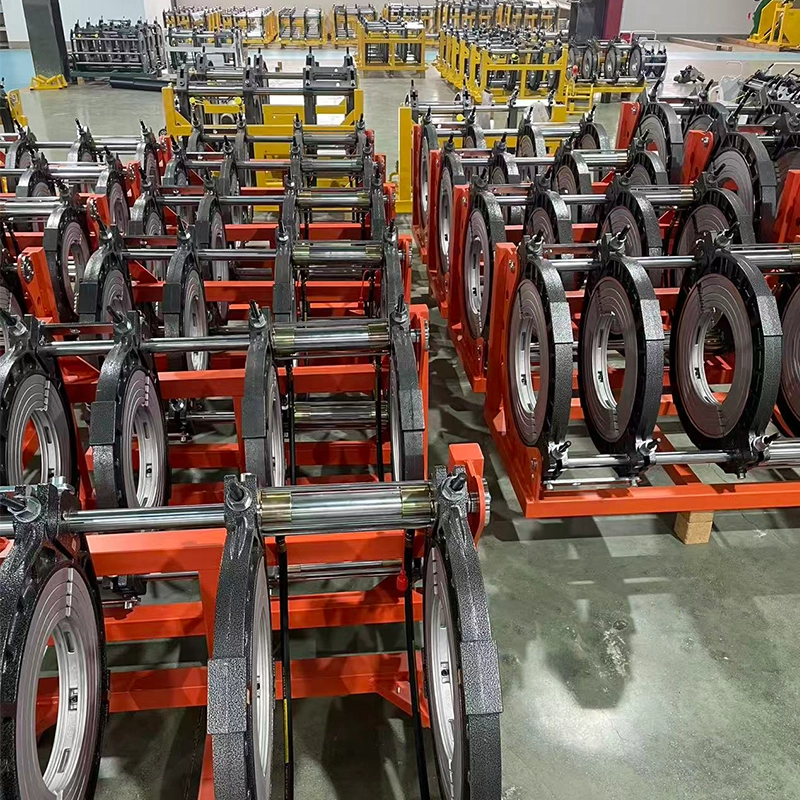
Reliable Welding Solutions: Machine Types & Typical Uses
Moroccan projects commonly use three fusion machine types: manual, hydraulic, and automatic/CNC. Each type suits different scales and site conditions:
- Manual — lightweight and cost-effective for small-diameter irrigation and repairs.
- Hydraulic — robust and reliable for medium to large pipes used in municipal water and gas networks.
- Automatic/CNC — precision and consistency for high-volume or critical pipeline installations.
Quick Comparison: Key Specs at a Glance
| Machine Type | Pipe Range | Ideal For |
|---|---|---|
| Manual Butt Fusion | 20–160 mm | Irrigation, repairs, remote sites |
| Hydraulic Butt Fusion | 160–1000+ mm | Municipal water, industrial pipelines |
| Automatic/CNC Butt Fusion | 200–2250 mm | Large-diameter projects, high-accuracy needs |
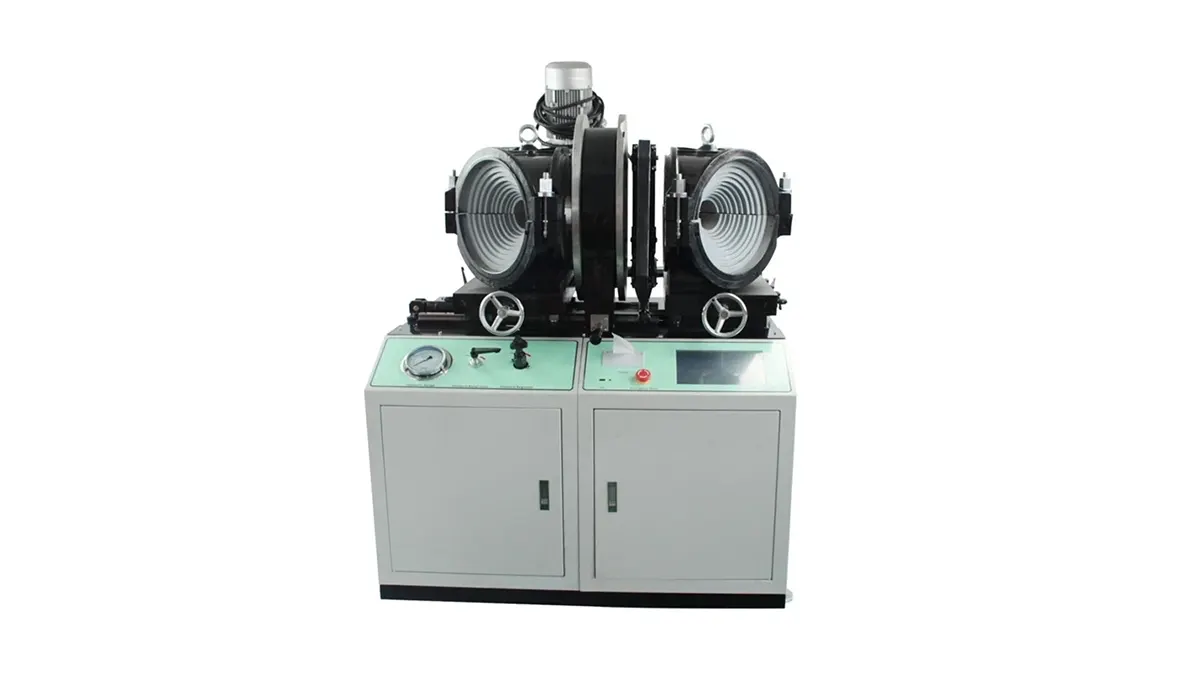
Selecting the Right Equipment for Moroccan Conditions
When procuring HDPE welding equipment for Morocco, consider these local priorities:
- Portability: Machines that are easy to move between urban sites and rural fields save time and logistics costs.
- Temperature resilience: Robust heaters and protective components help maintain weld quality under high ambient heat.
- Spare parts availability: Opt for models with common consumables to reduce downtime in remote regions.
- Training and language support: Clear manuals and onsite training in French or Arabic accelerate crew proficiency.
Installation & Quality Control Best Practices
Consistent results depend on proper surface preparation, correct alignment, and following standardized heating, friction, and cooling cycles. For critical water and gas projects, implement a documented QC process with test welds and traceability records. This reduces the risk of leaks and ensures long-term system integrity.
Why Work with a Specialist Manufacturer
Partnering with a specialist manufacturer ensures access to a broad product range — from small manual units to large hydraulic and CNC automatic systems — plus technical guidance tailored to Morocco’s sectors like municipal water, agriculture, and mining. For reliable butt fusion solutions, JQ-Fusion (https://jq-fusionwelding.com/) offers durable, customizable machines and global project experience.
Next Steps for Moroccan Contractors
Assess your pipeline diameters, site accessibility, and crew skill level. For pilot installations, choose a versatile hydraulic or manual unit; for nation-scale water or gas programs, evaluate automatic/CNC models to improve repeatability and throughput. Investing in the right fusion technology now reduces repair costs and extends pipeline lifespan for decades.



