
Finding the right butt fusion machine manufacturer and supplier in Kenya can make the difference between a durable pipeline network and costly rework. Whether you’re working on municipal water systems in Nairobi, rural irrigation projects in the Rift Valley, or gas distribution networks along the coast, this guide helps procurement managers, contractors, and engineers choose a supplier that matches local project needs.
Why reliable butt fusion equipment matters in Kenya
Kenyan infrastructure projects face unique challenges: varied climates, long logistics chains from port to site, and often remote working locations with limited workshop facilities. A dependable supplier ensures machines are robust, maintainable on-site, and supported with spare parts and training — all essential for reducing downtime and safeguarding weld quality.
Top factors to evaluate when choosing a supplier
- Equipment range and suitability: Check availability of manual, hydraulic, and CNC automatic butt fusion machines for the pipe diameters you use (e.g., 20mm–2250mm).
- Local support and spare parts: Ask about lead times for spare parts delivery to Kenyan ports and availability of consumables such as heating plates and trimmers.
- Training and documentation: On-site or virtual training for fusion operators, plus clear operation manuals and weld records, are crucial for QA/QC.
- Warranty & after-sales service: Confirm warranty terms, service network, and whether remote diagnostics or calibration support is offered.
- Certifications & testing: Look for ISO, CE, or third-party test certificates and evidence of machine performance in similar climates.
- Adaptability to site conditions: Power supply compatibility, portability, and ease of use in dusty or humid environments matter for Kenyan sites.
Quick comparison: Manual vs Hydraulic vs Automatic
| Type | Best for | Advantages | Considerations |
|---|---|---|---|
| Manual | Small projects, tight budgets | Lightweight, low cost, easy to transport | Slower, operator-dependent weld quality |
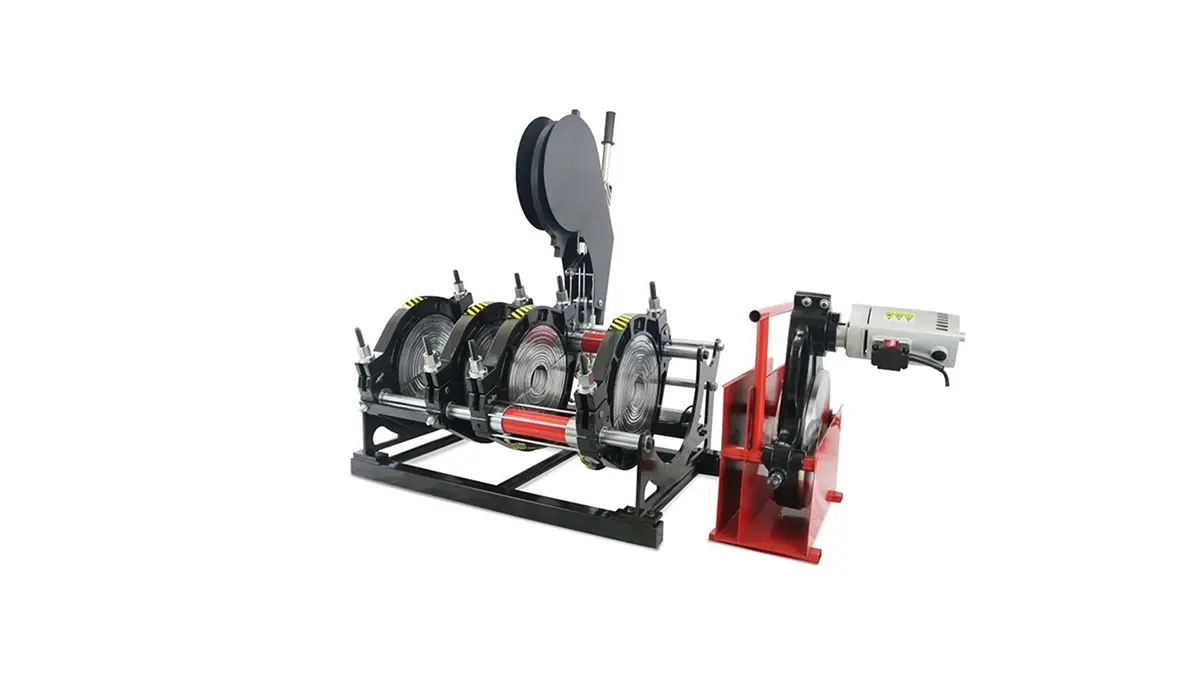
| Hydraulic | Medium to large pipes, construction sites | Consistent pressure, higher efficiency | Heavier, needs maintenance of hydraulic system |
| Automatic (CNC) | Large projects, high throughput | Automated cycles, precise records, faster | Higher initial cost, requires trained operators |
Questions to ask any prospective supplier
- What delivery options and lead times are available to Mombasa port or Nairobi warehouses?
- Can you provide operator training in Kenya or remote commissioning assistance?
- What spare parts are stocked regionally and what are typical resupply times?
- Do you supply weld documentation systems for traceability and QA audits?
- Are machines adapted to local power (voltage/frequency) and do you offer generator-ready options?
Logistics, customs and practical points for Kenyan buyers
Consider freight options from the supplier’s factory to Kenya, including port handling at Mombasa and inland transport to project sites. Confirm Incoterms (FOB, CIF, DAP) early to budget correctly. For public and donor-funded projects, ask for full compliance documents and testing certificates. Local clearance delays can be minimized if the supplier provides correct HS codes and packing lists.
After-sales support that saves time and money
- Spare parts kits: heating plates, trims, sealing rubbers—keep critical spares on site.
- Remote support: suppliers offering phone, video, or software support speed up troubleshooting.
- Calibration & maintenance plans: scheduled checks prolong machine life and ensure weld reliability.
Budgeting tips for Kenyan projects
- Factor in shipping, import duty, and VAT when comparing quotes.
- Include training and an initial spare parts pack in the procurement budget.
- Consider lifecycle cost: cheaper machines may cost more in downtime and repairs.
Manufacturer note: JQ-Fusion is a professional manufacturer specializing in HDPE pipe welding machines and offers a full range of manual, hydraulic, and automatic butt fusion equipment with global shipping and technical support.
Final checklist before awarding a contract
- Verify references or case studies from similar Kenyan or East African projects.
- Confirm warranty, spare parts availability, and training scope in writing.
- Request a factory acceptance test report or video of the machine performing a full weld cycle.
Choosing the right butt fusion machine supplier for Kenya means balancing equipment capability, on-the-ground support, and total ownership cost. Prioritize suppliers who understand local logistics, provide accessible parts and training, and can demonstrate reliable performance in conditions like those found across Kenya.



