
Finding the best plastic pipe welding machine maker in Nigeria means balancing reliability, local service, and cost. Whether you’re working on water distribution in Lagos, gas networks in Abuja, or industrial pipelines in Port Harcourt, choosing the right manufacturer impacts project uptime, joint quality, and long-term maintenance.
Why Nigeria’s market needs the right pipe welding partner
Local conditions—high temperatures, heavy dust in some regions, and long transport routes—mean machines must be robust and easy to maintain. Contractors and utilities in Nigeria value quick spare-part support, on-site training, and machines that keep working under tough field conditions.
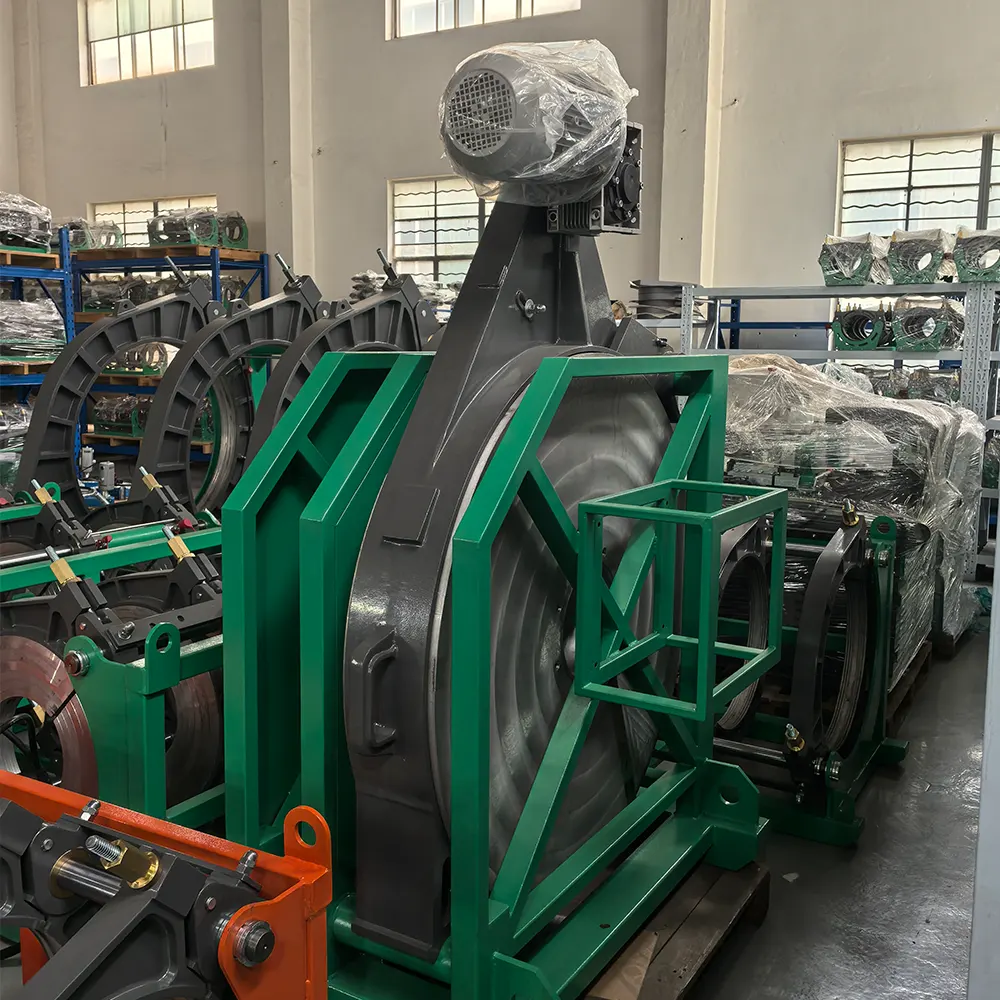
Key factors to evaluate when choosing a manufacturer
- Product range: Ensure the maker offers manual, hydraulic, automatic butt fusion and electrofusion machines to match small-diameter repairs and large-diameter pipelines.
- Performance & standards: Look for machines tested to international butt fusion standards and consistent heating/pressure control.
- After-sales service: Fast replacement parts, on-site calibration, and local technicians or distributor partnerships in Nigeria are essential.
- Spare parts & consumables: Availability of heaters, clamps, heaters plates and trimmers reduces downtime on remote sites.
- Training & documentation: Operators should receive clear welding procedures and hands-on training relevant to HDPE and other thermoplastics used locally.
- Logistics & import support: Consider lead time, customs processes, and any local certifications or testing requirements in Nigeria.
Quick comparison: machine types
| Machine Type | Best For | Typical Diameter Range | Field Suitability |
|---|---|---|---|
| Manual Butt Fusion | Small crews, repairs, tight budgets | 20mm–630mm | High — rugged & mobile |
| Hydraulic Butt Fusion | Medium-large pipelines, repeatable pressure | 110mm–2250mm+ | Very good — stable for heavy field use |
| Automatic/CNC Butt Fusion | High-volume projects, precise control | 160mm–2000mm+ | Best for factories and large construction sites |
| Electrofusion | Fittings, service connections, quick joins | 16mm–630mm (varies by fitting) | Excellent for distribution networks and repairs |
Practical checklist for vetting a manufacturer
Before you request quotes or place orders, verify:
- Warranty details and what is covered in Nigeria (transport, labour, parts).
- Local representation or distributors and average response time for service calls.
- Reference projects in Africa or similar climates; ask for case studies or client contacts.
- Spare parts stock — lead time for heaters, plates and hydraulic seals.
- Training offerings — on-site commissioning and operator training tailored for Nigerian crews.
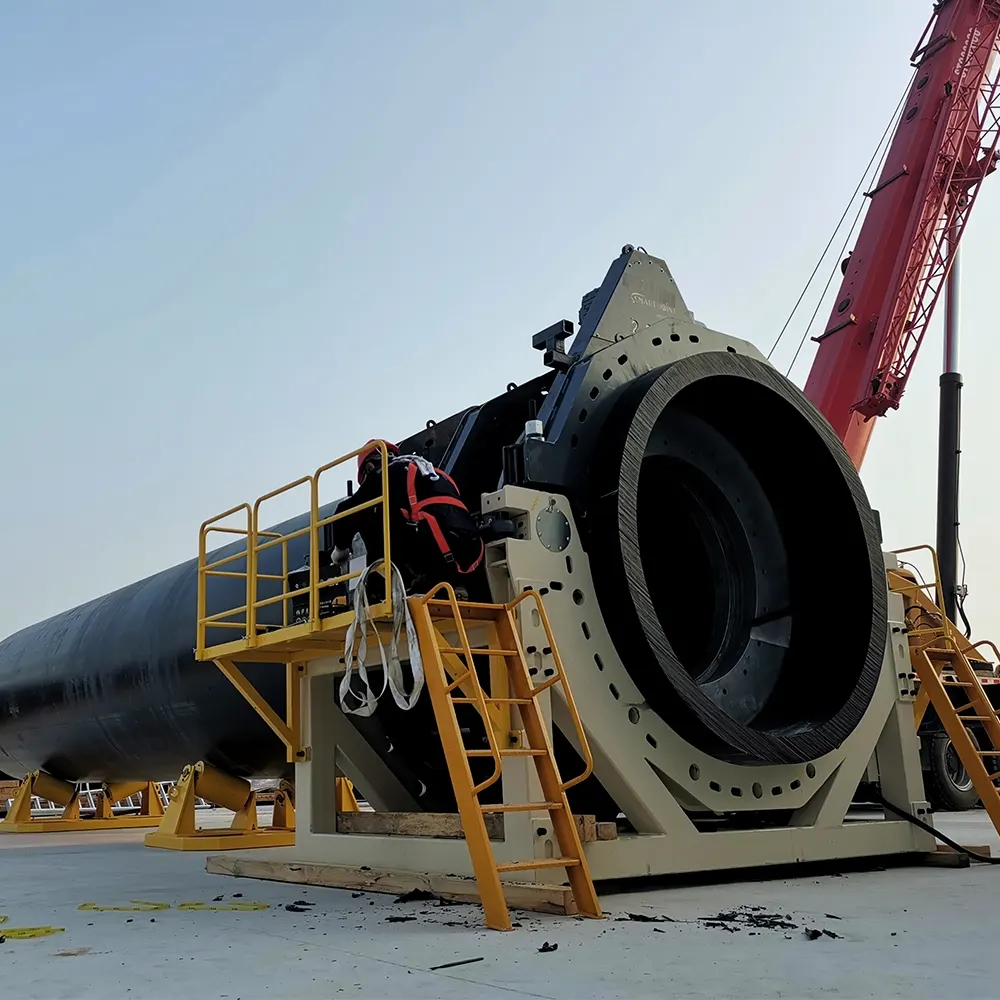
Cost vs value — what to prioritize
Upfront price is important but prioritize lifecycle value: downtime costs, spare-part availability, and training reduce total project cost. A slightly higher initial investment in a reliable hydraulic unit often pays off on long pipeline runs and repeated use.
How to contact and test a supplier
Ask for an on-site demo or video of the machine welding pipes of the same material and diameter you use. Request a clear lead time for delivery to major Nigerian ports (Lagos/Onne), and confirm import documents and any regional certifications. For a reliable example of manufacturers offering a wide range of butt fusion and electrofusion machines, see JQ-Fusion (https://jq-fusionwelding.com/).
Final tips for Nigerian contractors and buyers
- Partner with suppliers who provide operator training in English and practical troubleshooting for field conditions.
- Keep a small stock of critical consumables locally to avoid long delays during rainy seasons or customs holds.
- Standardize your fleet where possible—fewer machine types make spare parts and training far easier to manage.
Choosing the right welding machine maker in Nigeria means matching machine type to your projects, ensuring local support, and verifying real-world performance. With informed selection you protect pipeline integrity, reduce delays, and improve long-term project economics.



