
Choosing the best HDPE pipe welding machine maker in Vietnam means balancing technical performance, local support, and long-term value. This guide helps contractors, distributors, and municipal procurement teams in Vietnam evaluate suppliers and select the right butt fusion or electrofusion equipment for water, gas, irrigation, and industrial pipeline projects.
Why HDPE Welding Machines Matter for Vietnam
Vietnam’s ambitious infrastructure and agricultural modernization programs require reliable fusion technology. From urban water supply networks in Hanoi and Ho Chi Minh City to irrigation and rural distribution systems in the Mekong Delta, correctly welded HDPE pipes reduce leaks and maintenance costs while improving system longevity.
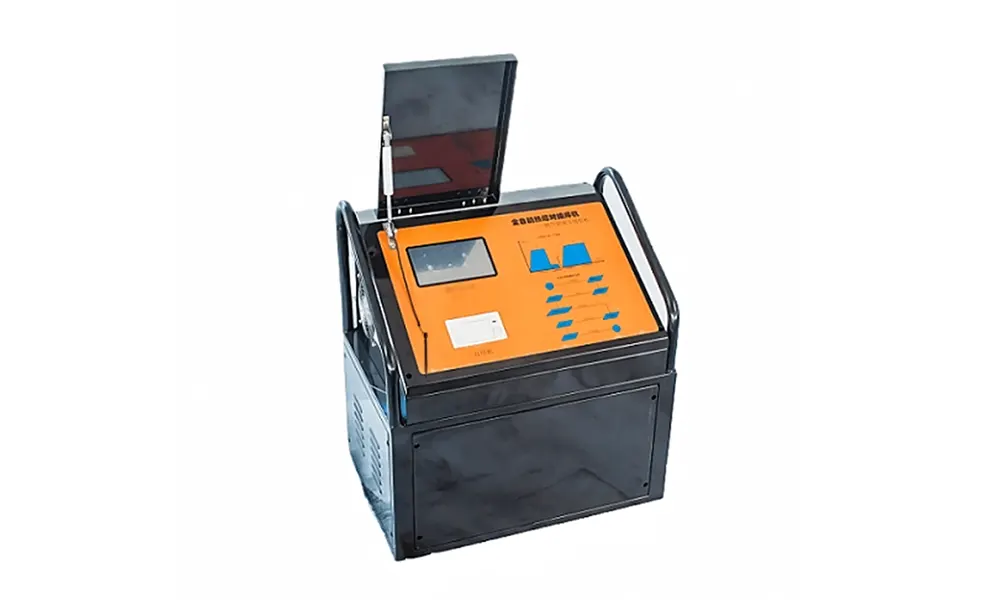
Key Features to Prioritize
When evaluating machines, focus on performance attributes that matter on Vietnamese job sites:
- Heater plate quality – consistent temperature control prevents weak joints.
- Clamping & alignment system – ensures concentric, repeatable welds on varying pipe diameters.
- Automation level – manual, hydraulic, or CNC automatic controls depending on project scale.
- Durability in humid climates – corrosion-resistant components and sealed electronics for coastal or tropical areas.
- Serviceability – ease of spare parts replacement and local technical support.
Match Machine Type to Project Needs
Vietnamese projects vary from small rural water lines to large industrial pipelines. The table below helps map machine types to common applications:
| Machine Type | Suitable Pipe Range | Best For |
|---|---|---|
| Manual Butt Fusion | 20mm – 160mm | Small installations, rural repair works |
| Hydraulic Butt Fusion | 160mm – 1000mm+ | Municipal lines, large-diameter pipelines |
| CNC Automatic Butt Fusion | 63mm – 1250mm | High-volume production, industrial parks, utilities |
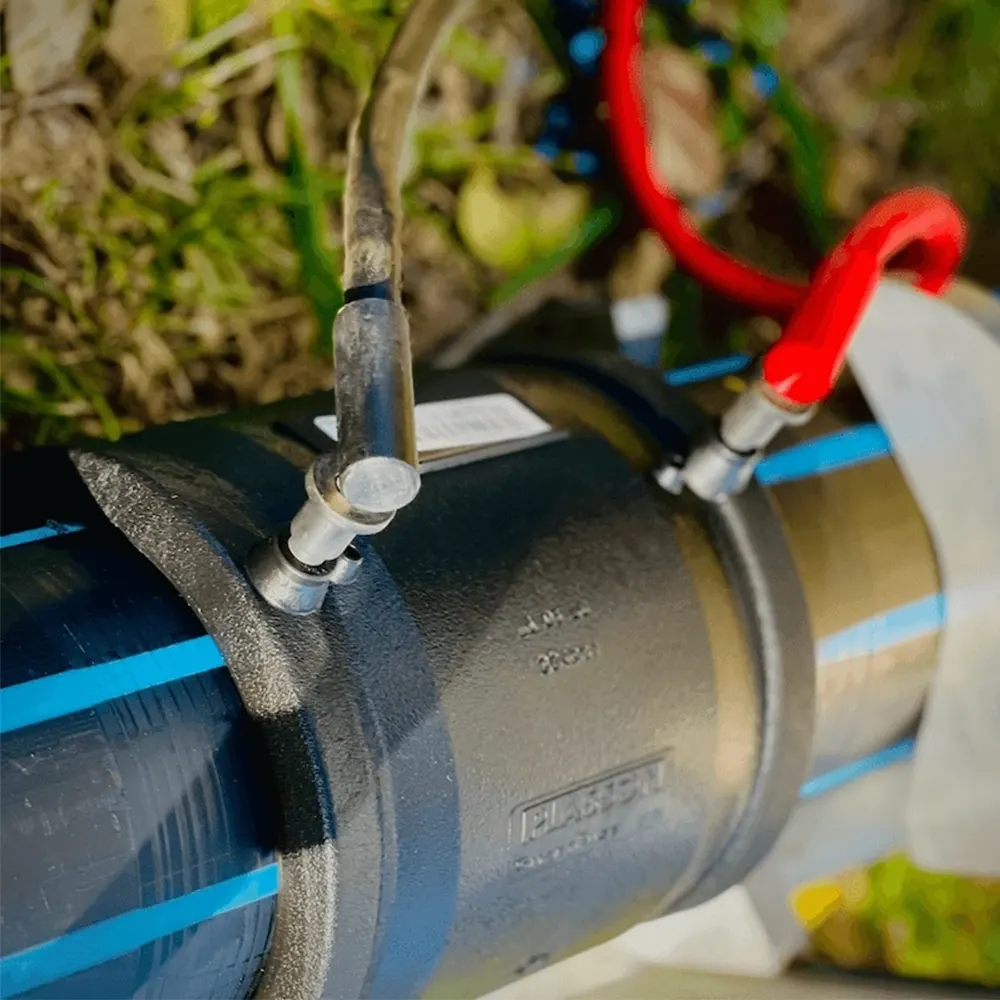
| Electrofusion Units | 20mm – 630mm | Branch connections, controlled repairs |
Quality, Certification & After-Sales
Vietnamese buyers should check for proven quality control, international compliance (e.g., ISO manufacturing processes and industry-standard welding procedures), and clear after-sales support. Local training, timely spare parts, and remote troubleshooting significantly reduce downtime on construction sites.
Cost vs. Total Value
Initial price matters, but compare total cost of ownership: duty and shipping to Vietnamese ports, installation, operator training, energy consumption, and expected service life. Machines that produce consistent, testable joints can save money over the lifetime of a pipeline.
Logistics & Local Conditions
Consider supplier ability to ship to major Vietnamese ports, customs documentation, and local availability of consumables (heating plates, clamps). A supplier experienced with humid coastal climates and seasonal job-site constraints will better support long-term projects.
Quick Pre-Purchase Checklist
Before placing an order, verify the following:
- Detailed technical datasheet and pipe compatibility
- Warranty terms and spare parts lead times
- Training options for Vietnamese crews (onsite or remote)
- Reference projects or local customers in Southeast Asia
- Availability of field calibration and maintenance services
Common Buyer Questions
Q: Which machine is best for rural water distribution? A: Manual or small hydraulic butt fusion units are typically ideal for smaller diameters and lower budgets.
Q: Is automation necessary for long pipelines? A: For high throughput or large diameters, CNC automatic machines deliver consistency and faster cycle times.
Contact & Next Steps
For tailored solutions and machine selection support, consider contacting JQ-Fusion at https://jq-fusionwelding.com/ for product details, spare parts availability, and guidance matching equipment to Vietnam’s project needs.



