
The right PE plastic pipe welding machine ensures strong, leak-free joints for water, gas, mining and industrial pipelines. Choosing equipment that matches pipe size, site conditions and production needs reduces rework, extends service life and improves safety. This guide explains how to select a reliable butt fusion / PE pipe welding solution and highlights key features to look for.
Why the right welding machine matters
High-quality welding equipment delivers consistent heating, precise alignment and repeatable fusion parameters. Poorly matched machines can cause weak joints, increased downtime and higher lifetime cost. When projects require long runs of HDPE pipe or critical utilities, investing in the correct welding technology pays off in durability and regulatory compliance.
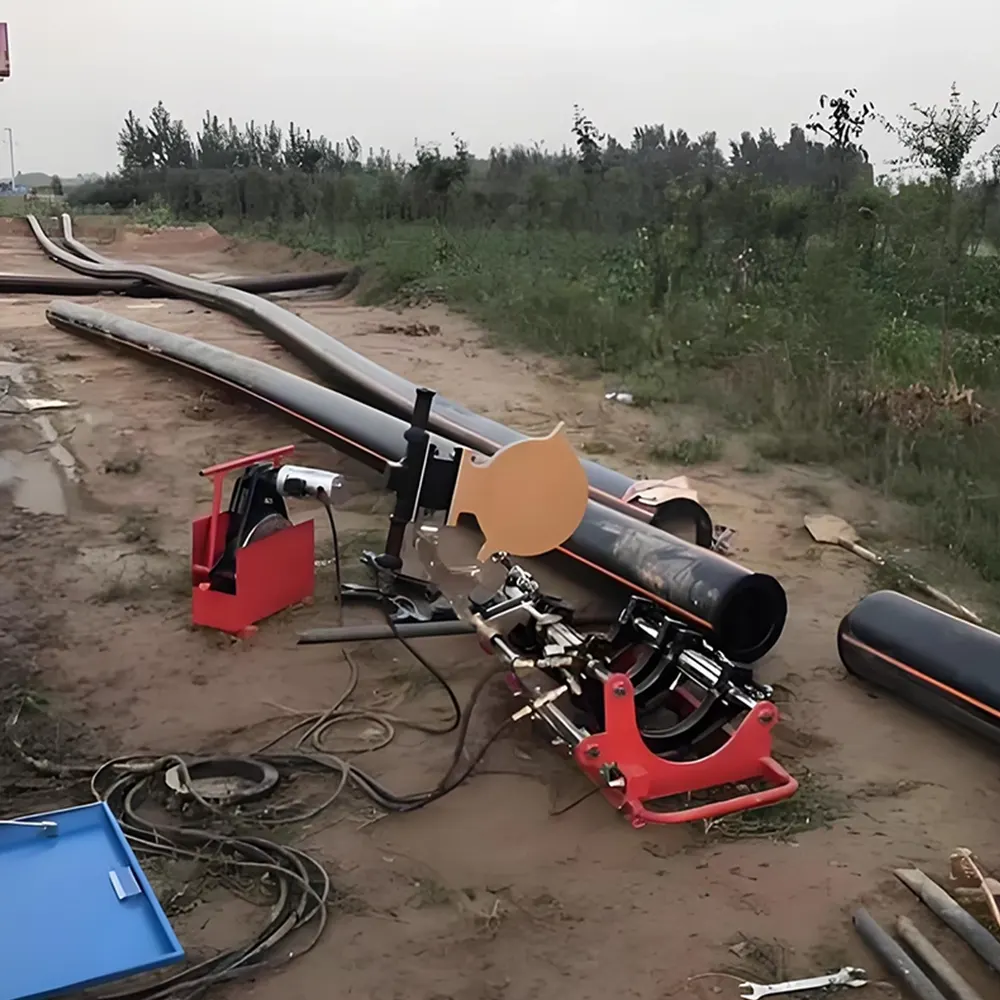
Types of PE plastic pipe welding machines
Manual Butt Fusion Machines
Manual machines are compact, lightweight and ideal for small-to-medium diameter pipes and field repairs. They require skilled operators to control alignment, heating time and pressure. Choose manual models for tight access sites and lower capital budgets.
Hydraulic Butt Fusion Machines
Hydraulic machines provide higher clamping force and precise control, suitable for medium to large diameter pipes. They reduce operator fatigue and improve fusion consistency on busy construction sites. Look for robust frames and reliable hydraulic systems when selecting hydraulic units.
Automatic / CNC Butt Fusion Machines
Automatic machines with digital control deliver repeatable weld cycles, programmable parameters and built-in safeguards. They are ideal for production lines, large-diameter installations and projects requiring traceable weld records. For high-volume or critical infrastructure work, automatic models minimize human error.
How to choose the best PE welding machine: a practical checklist
Match machine to pipe size and material — confirm the machine’s clamping range covers your HDPE/PE pipe diameters and SDR ratings.
Assess site conditions — portability, power source (electric/hydraulic/pneumatic), and ease of setup are crucial for remote or confined locations.
Control and repeatability — digital or automatic controls offer programmed heating/soak/pressure profiles for consistent joints.
Operator skill and training — select equipment complexity aligned to workforce competence; consider supplier training packages.
Serviceability and spare parts — modular design and easy access to wear parts reduce downtime during long projects.
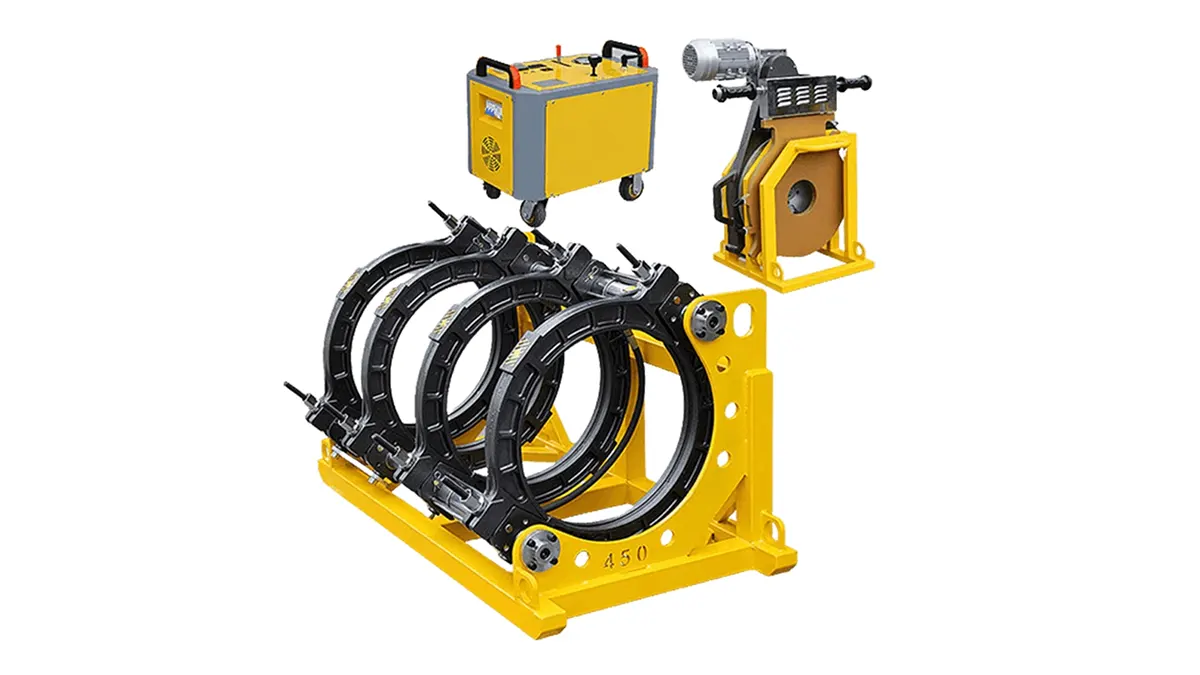
Quick comparison: Manual vs Hydraulic vs Automatic
| Machine Type | Best For | Pros | Cons |
|---|---|---|---|
| Manual | Small jobs, repairs, tight sites | Lightweight, low cost, portable | Operator dependent, slower |
| Hydraulic | Medium to large diameters, construction sites | High force, stable, durable | Heavier, higher initial cost |
| Automatic / CNC | Production lines, critical infrastructure | Repeatable, recordable, efficient | Most expensive, needs trained staff |
Key technical specifications to verify
Clamping range and pipe diameters
Confirm minimum and maximum pipe diameters and that clamping systems (aluminum or steel clamps) match your SDR/pressure class.
Heating plate quality & temperature control
High-quality PTFE-coated plates with accurate temperature sensors prevent stick and ensure consistent fusion surfaces.
Pressure system and alignment
Look for precise hydraulic pressure control, reliable gauge readouts, and rigid frames for correct pipe alignment throughout the cycle.
Maintenance, safety and operator training
Regular maintenance—cleaning heating plates, checking hydraulic oil and seals, and inspecting clamps—keeps machines reliable. Provide operators with formal training on fusion standards (heating time, pressure ramps, cooling) and safety practices. For projects requiring documented weld quality, choose equipment that supports data logging or integrates with external weld record systems.
Common mistakes to avoid
Insufficient pre-weld preparation — dirty or uneven pipe ends reduce joint quality. Always face and clean surfaces properly.
Skipping calibration — poorly calibrated temperature or pressure settings lead to weak joints; perform regular checks.
FAQs
Q: Which machine is best for remote fieldwork? A: Manual and small hydraulic machines are often better for remote sites due to portability and simpler power needs.
Q: Can one machine cover multiple pipe sizes? A: Many hydraulic and automatic units offer wide clamping ranges or interchangeable jaws to cover several diameters; verify the specific model’s range.
Q: How important is supplier support? A: Critical—fast access to spare parts, calibration services and operator training reduces downtime and protects warranty coverage.
For professional-grade HDPE welding solutions tailored to infrastructure projects, consider equipment from a trusted manufacturer like JQ-Fusion which offers manual, hydraulic and CNC automatic butt fusion machines designed for a wide range of pipe sizes and industrial applications.



