
Choosing the right plastic pipe welding machine model means matching machine type and capabilities to your project scale, pipe materials, and site conditions. This guide breaks down clear decision points so contractors, pipeline engineers, and procurement teams can select a model that reduces rework, improves throughput, and controls lifetime cost.
1. Understand your project requirements
Start by documenting the pipes you’ll weld: diameter range, material (HDPE, PP, PE100), wall thickness, and expected daily joint count. For urban water networks and gas distribution, small-to-medium diameters and high joint quality are priorities. For mining and industrial projects, larger diameters and rugged site mobility may dominate the decision.
Key questions: Which pipe diameters (mm) will you weld most often? Is on-site mobility required? What is the expected production rate (joints/day)?
2. Machine types and where they fit
Manual butt fusion machines – Best for small-diameter pipes and occasional work. They are lightweight, cost-effective, and simple to operate. Ideal for service technicians and small contractors with low daily volumes.
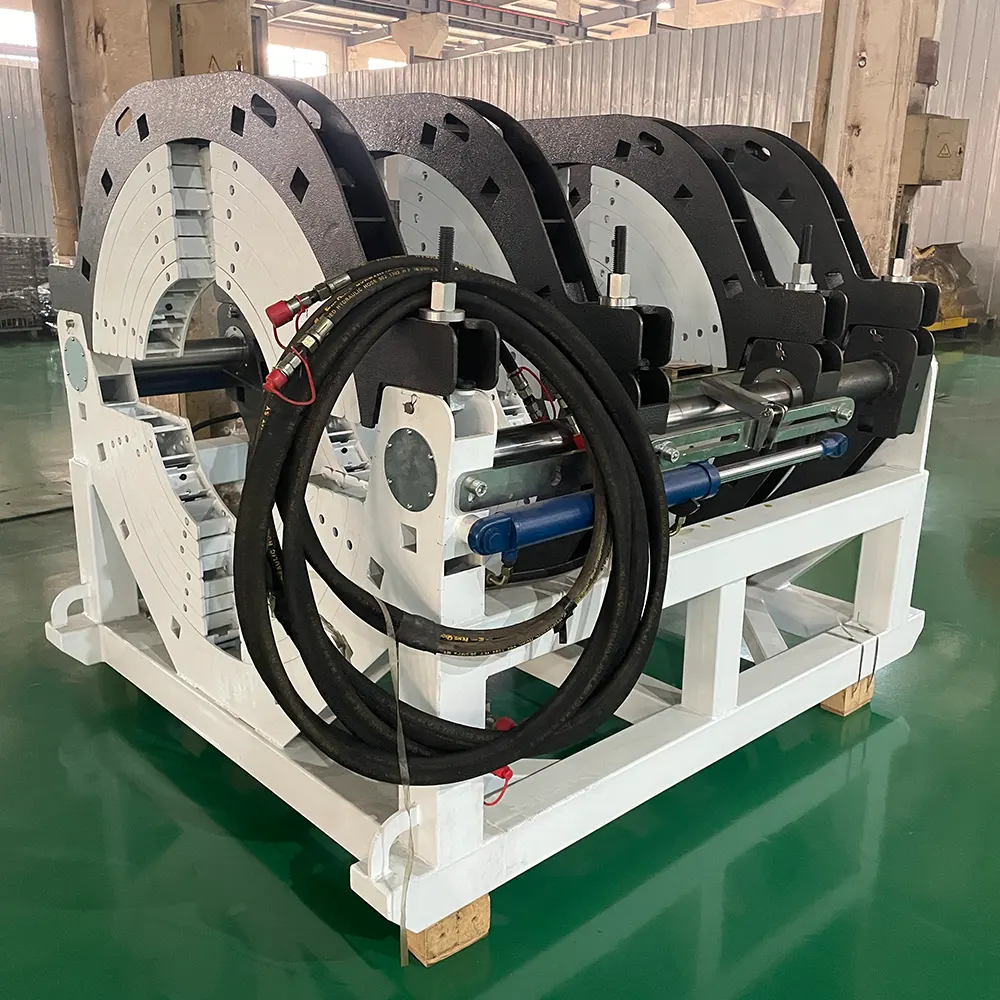
Hydraulic butt fusion machines – Excellent for consistent, medium-to-large diameter projects. They provide stable clamp force, faster cycle times, and better repeatability. Preferred by pipeline contractors working on municipal water, gas, or irrigation projects.
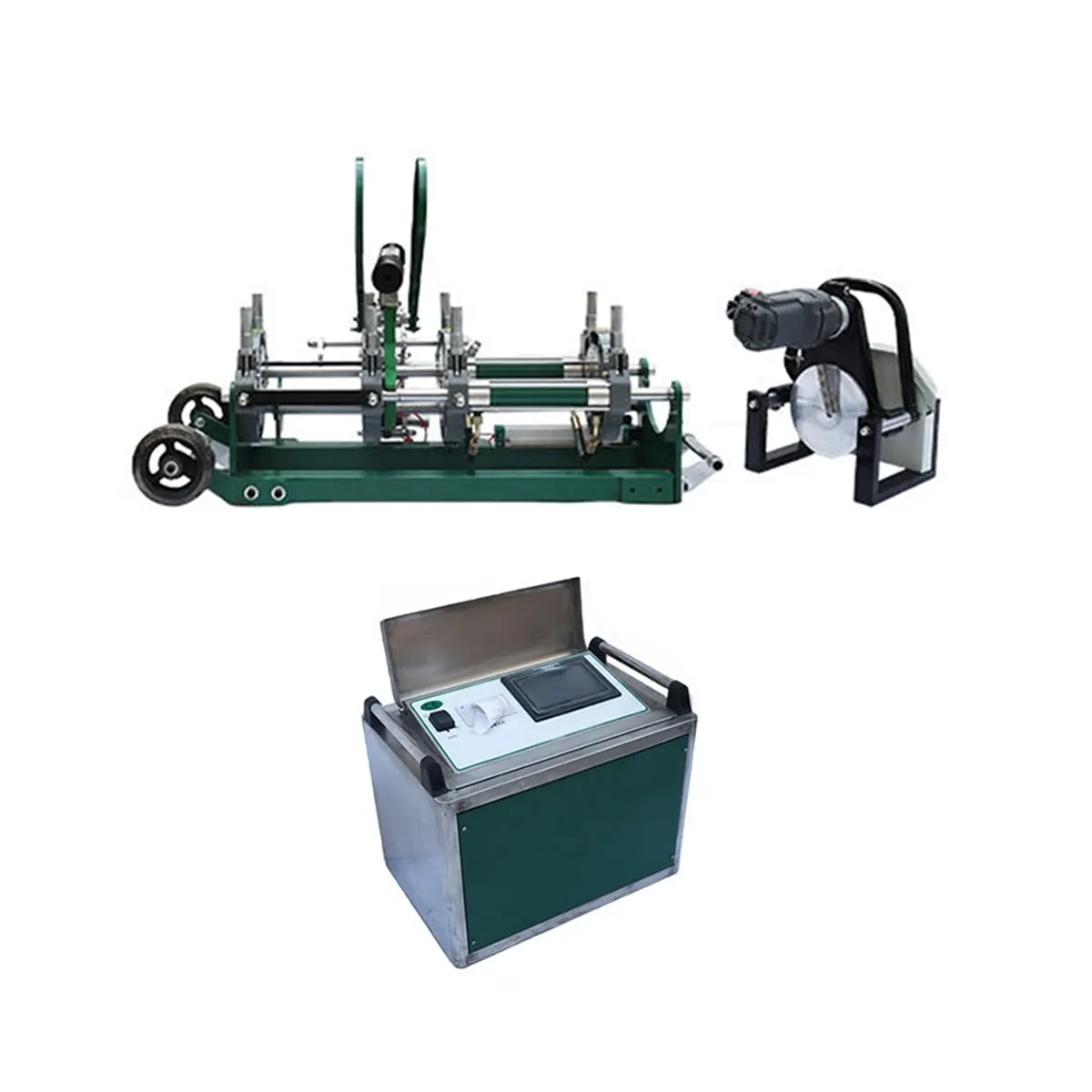
Automatic/CNC butt fusion machines – Designed for high throughput, precise control, and documentation. These models automate heating, alignment, and pressure stages and are suited for large-scale infrastructure or factory-based spooling operations where traceability and efficiency matter.
3. Compare essential specifications
When comparing models, focus on diameter range, clamping system, heating plate quality, pressure control, portability, and available automation. Below table highlights typical expectations by machine type.
| Machine Type | Typical Diameter Range (mm) | Best For | Mobility |
|---|---|---|---|
| Manual | 20–315 | Field repairs, small contractors | High |
| Hydraulic | 63–2000+ | Medium-to-large pipelines, reliable field use | Medium |
| Automatic / CNC | 20–1600+ | High-volume, factory spooling, projects requiring documentation | Low to Medium |
4. Operational and site considerations
Power availability, ambient temperature, and site access influence model selection. For remote sites, choose machines that can run on portable generators and are corrosion-resistant. Cold climates may require preheating accessories and insulated plates; hot, dusty environments benefit from sealed hydraulic systems.
Training and safety: More automated machines reduce operator variability but require trained technicians and access to software updates. Manual machines are simpler but depend heavily on operator skill.
5. Budgeting: initial cost vs lifetime value
Initial purchase price is just one factor. Consider consumables (heating plates, cutting tools), spare parts, maintenance intervals, and operator training. An automatic machine may cost more upfront but can lower per-joint labor and rework costs for large projects. For occasional work, a manual machine often yields a faster return on investment.
6. Choosing a reliable supplier
Select a vendor with proven product quality, spare parts availability, and technical support. Look for clear documentation, traceability features (for automatic systems), and a responsive service network. JQ-Fusion offers a broad range of HDPE butt fusion machines and global support options tailored to pipeline projects.
Quick checklist before you buy:
• Confirm diameter range and daily joint count.
• Match machine type to production needs (manual/hydraulic/automatic).
• Verify power and site compatibility.
• Ask about warranties, spare parts lead times, and training offerings.
• Calculate total cost of ownership, not just purchase price.
If you need model recommendations based on a specific pipe schedule or site scenario, collect the pipe sizes, expected daily joints, and site power constraints to compare suitable models and configurations.



