
Electrofusion connection technology is a trusted method for joining polyethylene (PE/HDPE) pipes and fittings using specially designed electrofusion fittings with embedded heating elements. This guide explains the working principle, step-by-step procedure, quality checks, common applications, and practical tips for selecting and maintaining electrofusion systems.
How Electrofusion Works
Electrofusion uses electrical current to heat a resistance coil embedded in a fitting. When the coil heats up, it melts the inside surface of the fitting and the outside of the pipe simultaneously, creating a uniform molecular fusion joint that is strong, leak-free, and corrosion-resistant.
Key Components
Electrofusion fitting: A PE fitting with built-in resistance wires or heating elements.
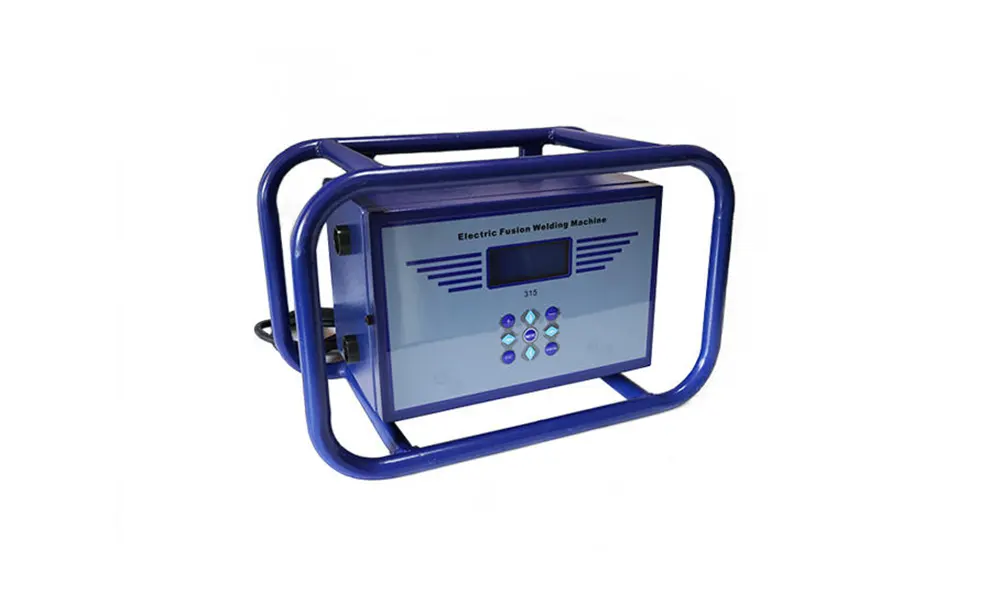
Control unit (welder): Provides regulated voltage and current and records fusion parameters.
Clamping fixtures: Secure pipes and keep alignment during the fusion cycle.
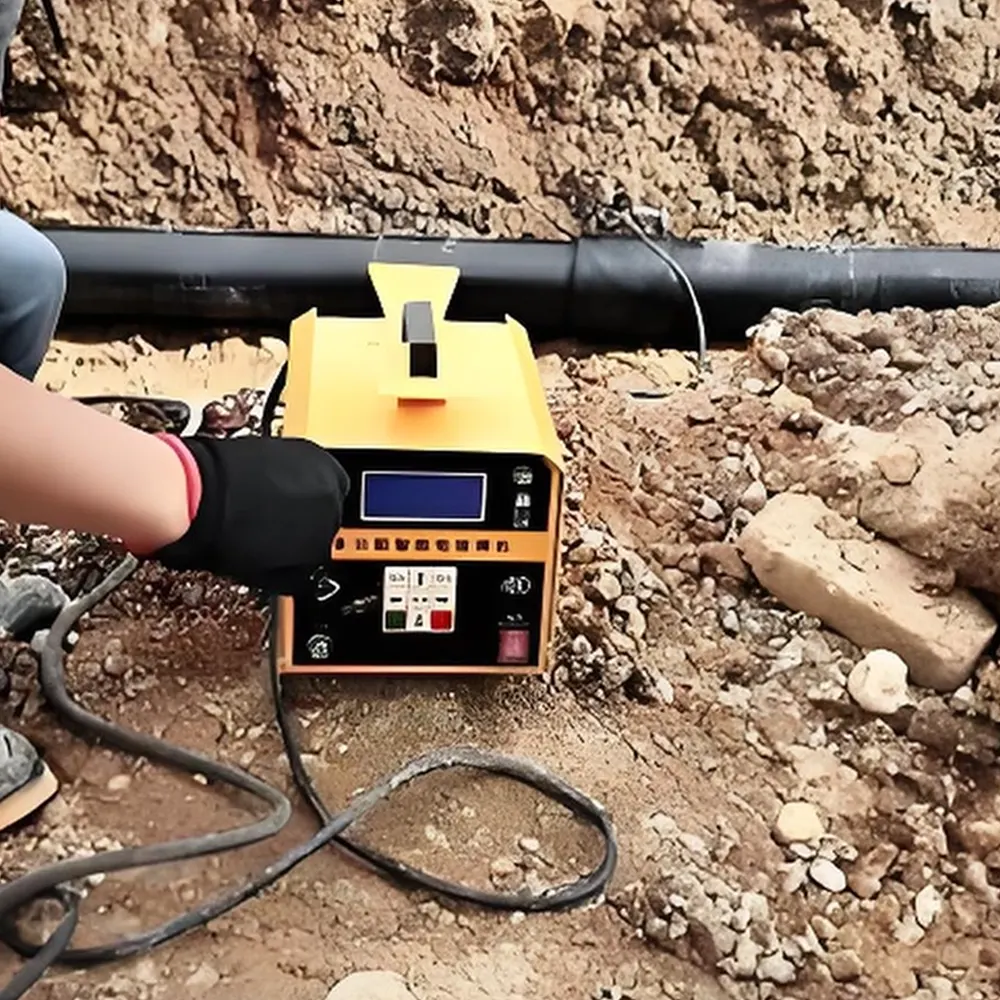
Typical Electrofusion Welding Process
1. Preparation — Clean pipe ends, remove oxidized PE layer with a scraper, and mark insertion depths. Proper surface prep is essential for a consistent bond.
2. Alignment — Use clamps and alignment tools to hold pipes and fittings concentrically and prevent movement during heating.
3. Electrical connection — Attach the welder leads to the fitting terminals and enter the fitting code or select the correct program on the control unit.
4. Fusion cycle — Start the automatic cycle. The welder supplies current for a specified time and monitors voltage and resistance to ensure a controlled melt.
5. Cooling — Maintain clamps and do not disturb the joint until the prescribed cooling time has elapsed to allow full recrystallization.
Typical Electrofusion Parameters (Example)
| Material | Pipe OD Range (mm) | Typical Voltage (V) | Fusion Time (s) |
|---|---|---|---|
| PE-HD / PE100 | 20 – 800 | 4 – 48 (depends on fitting) | 20 – 600 |
| Electrofusion couplers | 63 – 315 | 6 – 39 | 30 – 300 |
Quality Control & Testing
Record keeping: Modern welders log voltage, current, time, and identification codes for traceability and QA audits.
Visual inspection: Check uniform bead appearance, correct insertion depth markings, and absence of gaps or contamination.
Destructive and nondestructive tests: Sample joints can undergo peel/shear testing, while field inspections may use leak tests and pressure testing according to local standards.
Applications
Electrofusion is widely used in water distribution, gas networks, sewer systems, mining, and industrial pipelines where a high-integrity joint and minimal excavation are required. Its utility in repair work and tight-access areas makes it a popular choice for municipal and commercial projects.
Advantages and Limitations
Advantages: Consistent, reproducible joints; excellent long-term leak resistance; minimal external heating; good for repairs and connections where butt fusion is impractical.
Limitations: Slower than some mechanical couplers; requires compatible fittings and a calibrated welder; surface prep and correct clamping are critical to avoid failures.
Practical Selection Tips
Choose certified fittings and verify compatibility with your pipe material (e.g., PE80 vs PE100). Always follow manufacturer datasheets and the welder’s instructions. For large diameters, consult fitting suppliers for recommended programs and specialized clamps.
Maintenance and Safety
Welder calibration: Schedule periodic calibration and firmware updates to ensure accurate output and logged records.
Safe handling: Protect connectors and terminals, avoid moisture ingress, and always allow cooling times before pressurising or moving the assembly.
Common Field Troubleshooting
Cold joints: Usually caused by insufficient heating or interrupted power — re-do with proper program and clean surfaces.
Misalignment: Use proper clamps and alignment bars; do not rely on hand-holding during the fusion cycle.
Frequently Asked Questions
Q: How long should I wait before pressurising a fused joint?
A: Follow the fitting/welder recommended cooling time; this commonly ranges from a few minutes for small fittings to several hours for large-diameter joints.
Q: Can I electrofusion on wet pipes?
A: Pipes should be dry and free of contaminants; moisture can compromise the bond and lead to joint failure.
For reliable HDPE electrofusion equipment and support, consider reaching out to JQ-Fusion at https://jq-fusionwelding.com/ for product details and service.
Final Notes
Successful electrofusion combines the correct selection of fittings and equipment, meticulous preparation, and strict adherence to welding programs and cooling protocols. Proper documentation and trained operators are the backbone of a robust electrofusion practice that meets industry standards and project requirements.



