
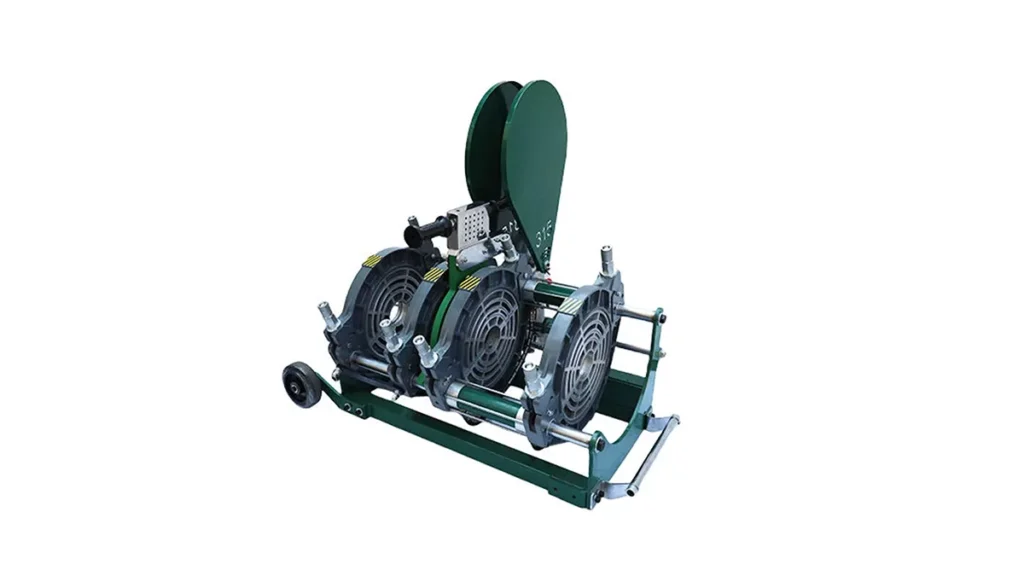
Venezuela’s infrastructure projects — from expanding municipal water networks in Caracas and Maracaibo to pipeline maintenance in oil and gas zones — demand durable, leak-free joints. HDPE welding offers long-term performance in tropical climates, corrosive soils, and varied terrain. This page outlines reliable HDPE welding solutions available from a trusted manufacturer and how Venezuelan contractors can benefit from modern butt fusion and electrofusion technology.
Why HDPE Welding Is the Smart Choice for Venezuelan Projects
HDPE pipes are lightweight, corrosion-resistant, and flexible — ideal for Venezuela’s coastal humidity and inland mining operations. Compared to traditional materials, HDPE reduces joint failure risks and lifetime maintenance costs. For municipal water supply and gas distribution, a professional welding setup ensures consistent fusion quality and regulatory compliance.
Common local needs addressed by HDPE welding
– Reliable potable water networks that resist corrosion and contamination.
– Gas distribution systems requiring leak-tight, high-integrity joints.
– Mining and industrial pipelines exposed to abrasion and chemical stress.
– Rapid repair and expansion projects in remote or rugged areas.
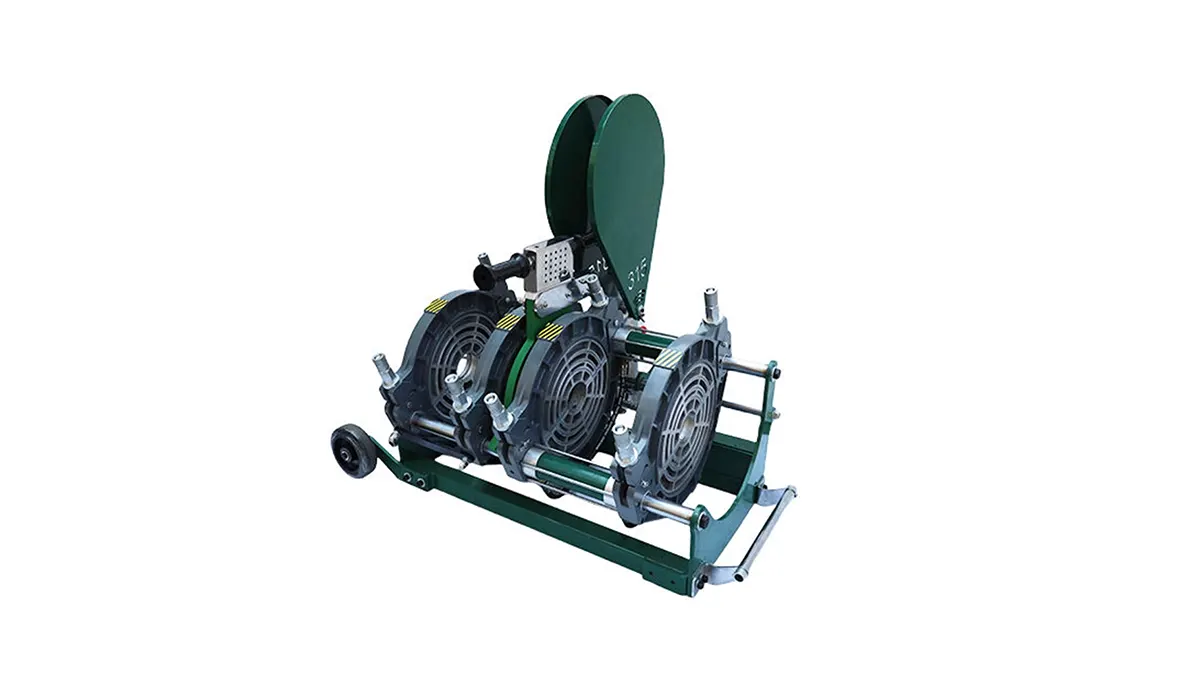
Factory-Grade Welding Solutions: Types & Benefits
Selecting the right machine depends on project scale, automation needs, and budget. Below are the primary solutions proven on industrial and municipal sites:
Manual Butt Fusion
Compact and cost-effective for small crews and emergency repairs. Manual units are easy to transport to remote Venezuelan sites and excel on low-to-medium diameter pipes.
Hydraulic Butt Fusion
Hydraulic systems deliver controlled heating and pressure for medium-to-large diameter pipelines. They are suited for long runs, urban installations, and where consistent weld parameters are essential.
Automatic/CNC Butt Fusion
Automatic machines offer precise, programmable welding cycles, data logging, and reduced operator dependency — ideal for large municipal projects and contractors aiming for repeatable quality.
Electrofusion Units
Electrofusion fittings are the go-to for complex networks, repairs around valves, and connections in restricted spaces. They provide localized, high-strength joints with minimal excavation.
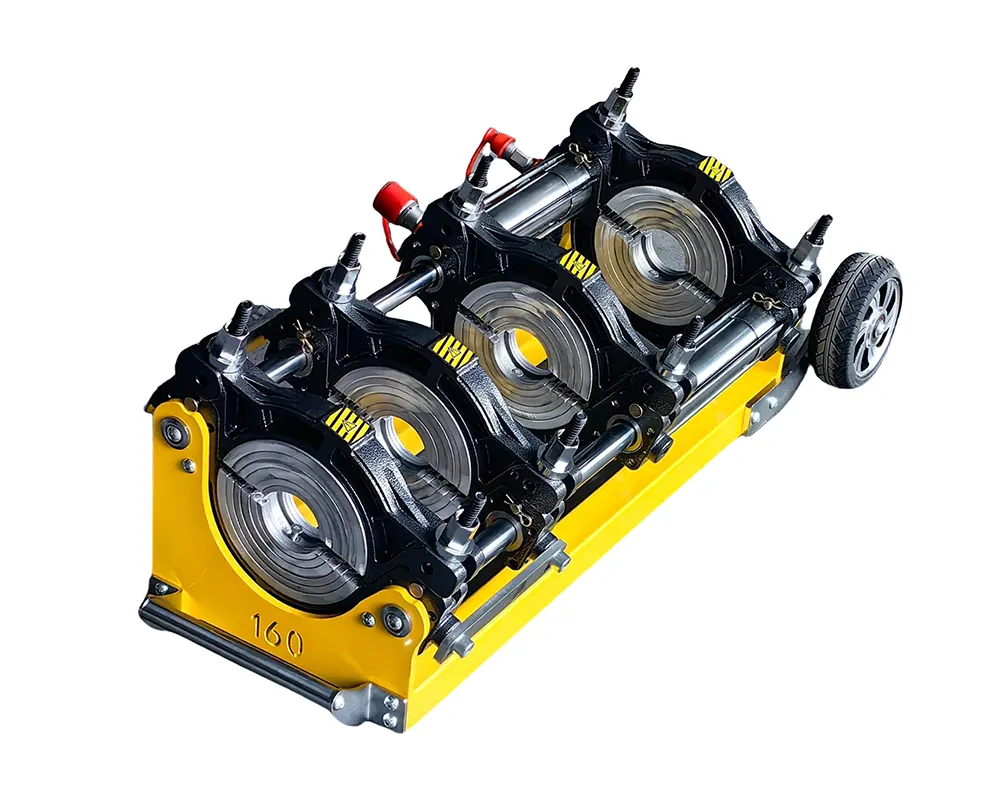
Quick Comparison Table
| Machine Type | Pipe Range (mm) | Automation | Best For |
|---|---|---|---|
| Manual Butt Fusion | 16 – 315 | Low | Small repairs, remote sites |
| Hydraulic Butt Fusion | 63 – 1800 | Medium | Urban installs, medium pipelines |
| Automatic/CNC Butt Fusion | 20 – 1250+ | High | Large projects, data logging |
| Electrofusion | 20 – 630 (fittings) | Medium | Repairs, complex connections |
On-the-Ground Support for Venezuelan Contractors
Local teams benefit from machines that include clear welding procedures, Spanish-language manuals, and training tailored to field conditions in Venezuela. Fast spare-part delivery and remote technical support reduce downtime during rainy seasons or in coastal areas where corrosion risk is higher. For export logistics, make sure customs documentation and shipping options are prepared to minimize delays.
Safety & Quality Considerations
Adopt standardized welding procedures, qualified operators, and quality inspections for fusion joints. Use traceable welding records and adhere to international fusion standards to ensure long-term performance under Venezuelan environmental conditions.
Project Applications & Case Uses
HDPE welding systems serve a range of projects across Venezuela:
- Municipal water supply expansions and rehabilitation.
- Gas distribution networks requiring secure, leak-proof joints.
- Mining and industrial process pipelines with abrasion resistance.
- Rural irrigation systems and agricultural water management.
Get Started
For turnkey butt fusion and electrofusion equipment tailored to Latin American projects, consider contacting a reputable manufacturer with global supply experience. Learn more about product ranges, technical specifications, and support options at JQ-Fusion.



