
Choosing the best HDPE welding equipment manufacturer in Kenya matters for contractors, county water engineers, and private developers who depend on durable, leak-free pipelines for water supply, irrigation, and industrial projects. This guide helps you evaluate suppliers, compare machine types, and understand local logistical and regulatory factors so you can buy equipment that delivers consistent, cost-effective results across Kenya’s diverse job sites.
Understand Your Project Needs First
Start with a clear scope: what pipe diameters will you weld, what terrain and climate will the work face, and how many joints per day do you expect? In Kenya, projects range from large county water mains around Nairobi to remote irrigation networks in the Rift Valley. Selecting the right machine type depends on capacity requirements, portability, and operator skill levels.
Key questions to answer
• Will you work mainly on-site (remote) or in a yard near Mombasa/Nairobi?
• Do you need machines for large-diameter mains or small distribution lines?
• Are operators experienced in butt fusion or electrofusion welding, or will training be needed?
Compare Machine Types: Match Technology to Use Case
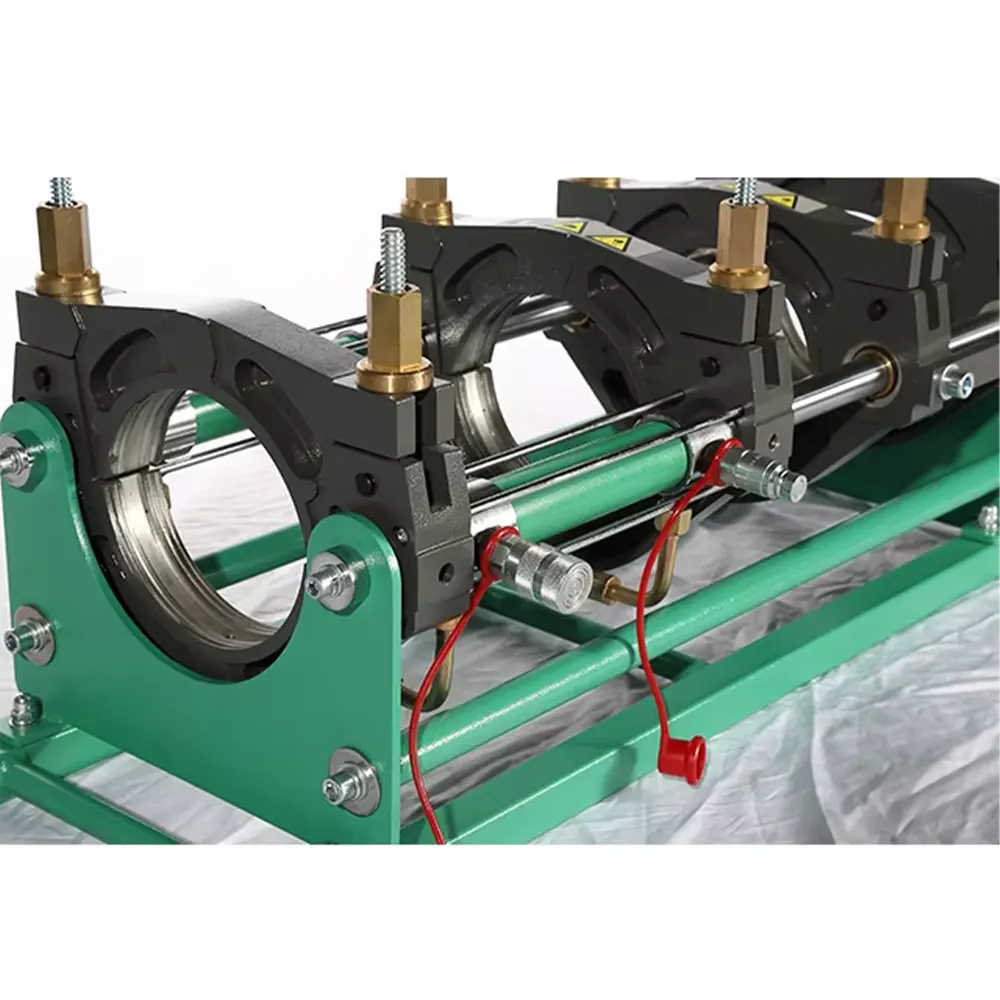
HDPE welding machines come in several forms. Understanding pros and cons helps you avoid overpaying for features you don’t need or underspecifying equipment that slows progress.
| Machine | Best for | Pipe range | Pros |
|---|---|---|---|
| Manual Butt Fusion | Small crews, tight budgets | Ø20mm – Ø630mm | Portable, low cost, simple maintenance |
| Hydraulic Butt Fusion | Medium to large pipelines | Ø160mm – Ø2000mm+ | High force accuracy, faster cycle, rugged |
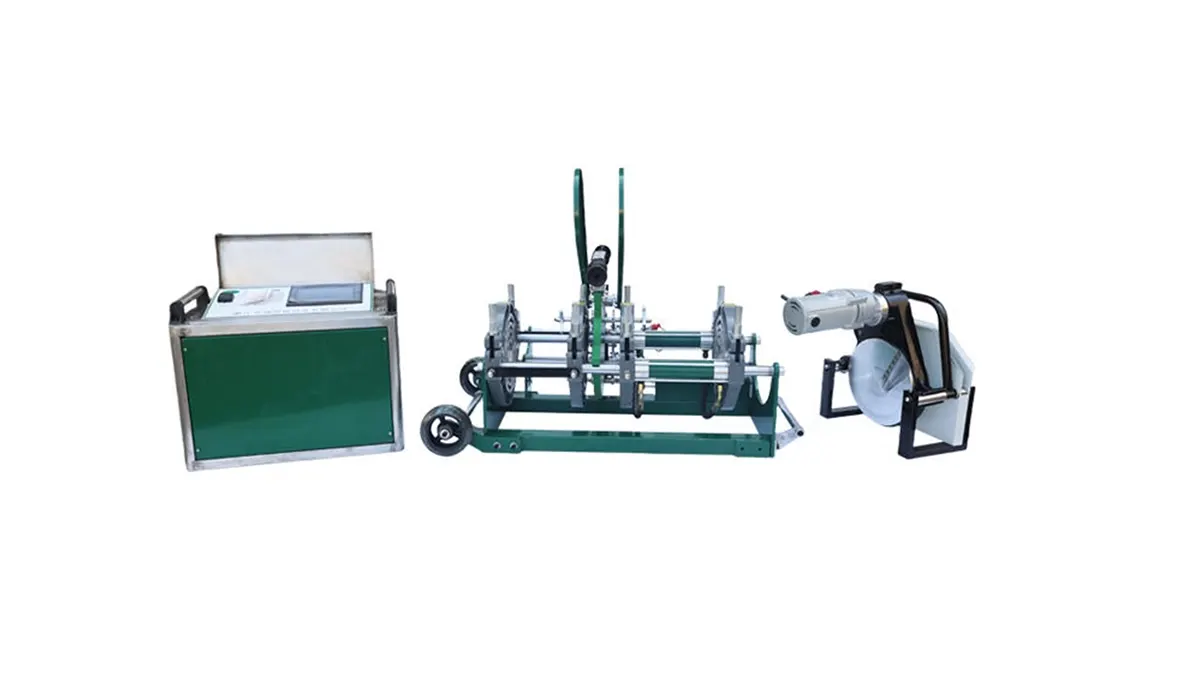
| Automatic/CNC Machines | High-volume, precision work | Ø160mm – Ø1200mm | Consistent welds, digital controls, record logs |
| Electrofusion Units | Fittings, repairs, small diameter networks | Ø20mm – Ø630mm | Quick installs, ideal for urban distribution |
Practical tip
For many Kenyan contractors, a combination of a portable hydraulic butt fusion for mains plus an electrofusion unit for fittings offers the best balance of productivity and flexibility.
Evaluate Manufacturer Credibility and Compliance
Verify certifications (ISO quality systems, welding procedure records) and ask for test reports. Kenyan public tenders and major utilities often require documented quality assurance. Confirm the manufacturer can supply traceable heating plate and pressure calibration records.
Local compliance & logistics
Consider customs clearance via the Port of Mombasa, import taxes, and local agent support. Manufacturers familiar with East Africa can provide documentation that speeds KEBS inspection and county procurement processes.
After-sales Support, Training and Spare Parts
Long-term uptime depends on service. Ask about warranty terms, availability of spare parts in Africa, and whether the manufacturer provides on-site commissioning and operator training in English and Swahili. Local technical support reduces downtime and ensures welders follow correct procedures.
Checklist for service readiness
• Warranty length and what it covers
• Spare parts lead time and repair kits availability
• Training programs and certified trainer options
• Remote diagnostics or PLC software updates for CNC models
Price vs. Total Cost of Ownership
The cheapest unit may cost more over time. Evaluate lifecycle costs: consumables, spare parts, expected throughput, and operator productivity. For municipal or contractor fleets in Kenya, investing in reliable hydraulic or automatic machines often reduces overall project costs due to fewer weld failures and faster cycle times.
Negotiation points
Negotiate training, spare parts packages, shipping to Mombasa, and extended warranty or maintenance contracts. Confirm payment terms and delivery lead times to align with tender schedules and rainy seasons that affect field access.
Request References and Local Case Studies
Ask manufacturers for references from East African projects—water utilities, irrigation schemes, or mining operations. Verified case studies show how machines perform under local conditions like heat, dust, and variable power supply.
Why Manufacturer Transparency Matters
Choose suppliers who provide clear weld logs, calibration certificates, and open communication about parts and upgrades. Transparency builds trust for long-term county contracts and large infrastructure projects across Kenya.
One recommended partner
JQ-Fusion offers a broad range of manual, hydraulic, and automatic butt fusion machines and can support projects across Africa with tailored solutions and spare parts supply.
Final Selection Roadmap
1) Define pipe sizes, daily weld volume and job locations.
2) Shortlist manufacturers with certificates and East African experience.
3) Compare total cost of ownership, service, and spare parts access.
4) Inspect demo units or visit reference sites when possible.
5) Secure written commitments on training, warranty, and lead times.
Investing time in manufacturer due diligence ensures you select HDPE welding equipment that reduces rework, speeds installation, and supports Kenya’s growing infrastructure needs.



