
HDPE pipe welding equipment is essential for reliable water supply, irrigation and industrial pipeline projects across Côte d’Ivoire. From urban networks in Abidjan to rural irrigation and mining operations in the interior, choosing the right butt fusion machine ensures strong, leak-free joints that withstand the region’s tropical climate and growing infrastructure demands.
Why HDPE Butt Fusion Is Ideal for Côte d’Ivoire
HDPE (High-Density Polyethylene) pipes offer corrosion resistance, flexibility and long service life — qualities that make them well-suited for West African environments. Butt fusion welding yields homogeneous joints with performance similar to the parent material, delivering reliable pipelines for potable water, stormwater, irrigation and industrial services.
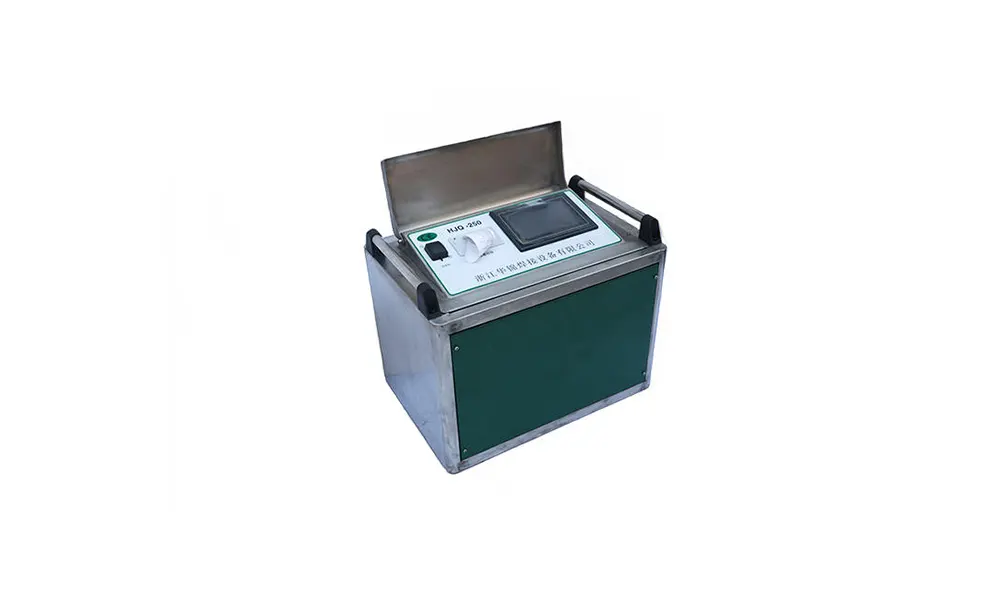
Common Applications in Côte d’Ivoire
Municipal water distribution upgrades in Abidjan, rural irrigation schemes for cocoa and rice farming, mining tailings and slurry lines, and industrial utility networks all benefit from HDPE butt fusion. Projects often require equipment that performs consistently in humid conditions, frequent transport between sites, and with local teams who may need quick training and support.
Equipment Options: From Manual to CNC Automatic
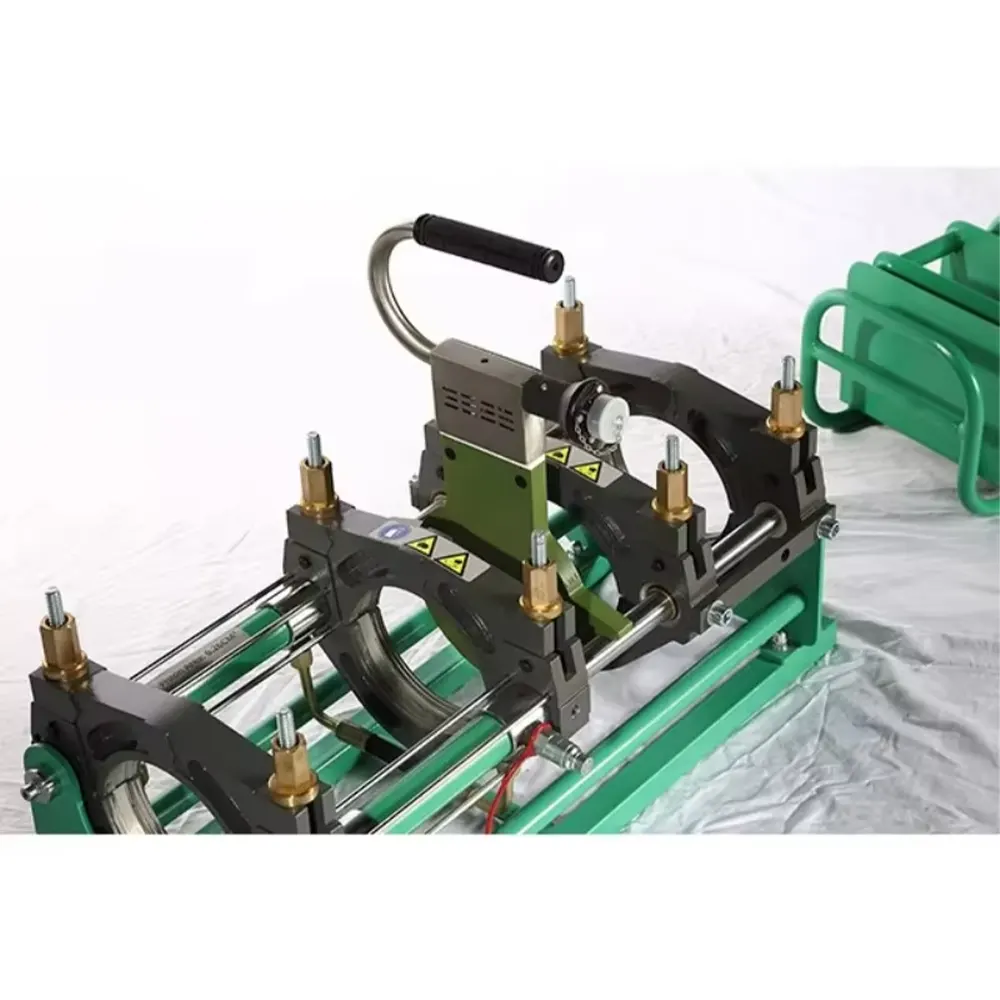
Selecting the right welding machine depends on pipe diameter, production volume and site conditions. The most common categories are manual units for small-diameter service lines, hydraulic machines for medium-to-large pipes, and CNC automatic machines for high-precision or high-volume installations.
Quick Comparison
| Type | Typical Pipe Range (mm) | Best For | Key Advantage |
|---|---|---|---|
| Manual Butt Fusion | 20–160 | Service taps, small repairs | Portable and cost-effective |
| Hydraulic Butt Fusion | 160–1200+ | Main distribution lines, industrial | Higher force and stability for large pipes |
| CNC Automatic Butt Fusion | 63–1600+ | High-volume, precise projects | Repeatable quality, digital control |
Key Features to Look For
Robust frame construction to tolerate transport on rough roads; corrosion-resistant components for humid coastal areas; easy-to-operate controls for local crews; and modular accessories (trimmers, heaters, clamps) to handle varied pipe sizes. For projects near the coast, protective covers for electronics and sealed hydraulic systems reduce downtime.
Installation, Training and Local Considerations
Skilled operators are critical to achieve weld integrity. On-site training tailored to Ivorian contractors will focus on correct facing/trimming, heating parameters, fusion pressure and cooling times. Efficient logistics planning via the Port of Abidjan or regional transport hubs ensures timely delivery to remote project sites.
Maintenance Tips for Tropical Conditions
Regularly clean heating plates and clamps, use filtered hydraulic oil, protect electronic control boxes from moisture, and store machines under cover between jobs. Routine calibration of pressure gauges and heaters helps maintain joint quality in high-temperature, high-humidity environments.
Procurement and Support
For contractors and government agencies in Côte d’Ivoire seeking reliable butt fusion equipment, consider machines with documented test reports and available spare parts. Manufacturers who provide training materials, remote support and spare kits help reduce project risk and downtime.
Contact
For project inquiries and equipment options, visit JQ-Fusion: https://jq-fusionwelding.com/ — they specialize in HDPE pipe welding machines across manual, hydraulic and CNC automatic ranges to support water, gas, mining and industrial pipelines worldwide.
Equip your next Côte d’Ivoire pipeline project with the right HDPE welding solutions to improve durability, reduce leaks and accelerate construction timelines.



