
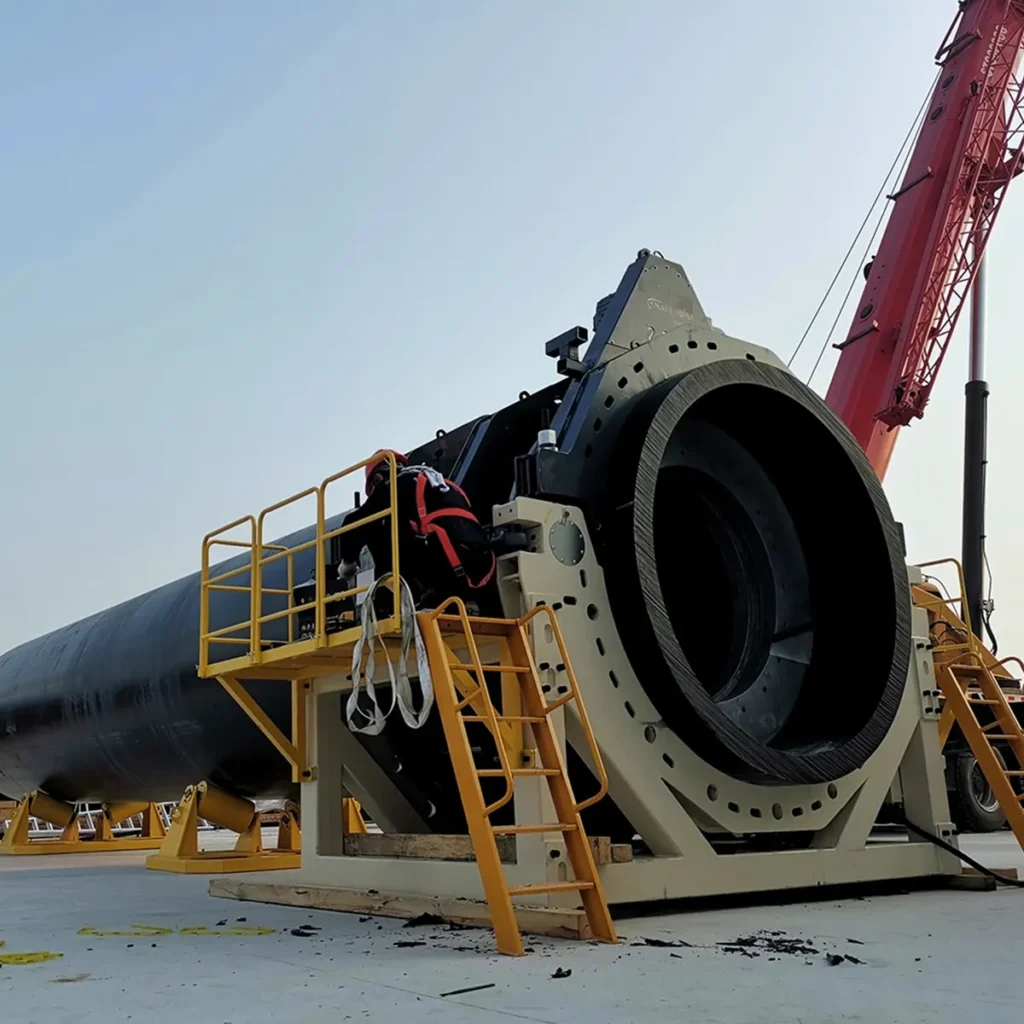
Buying an HDPE butt fusion welding machine for projects in Algeria requires more than comparing prices. From the Mediterranean coast to the Sahara interior, local conditions, project types (water, gas, irrigation, mining) and logistics shape which factory or supplier will deliver reliable equipment and long-term value.
Why the right HDPE welder factory matters in Algeria
Durability and serviceability are critical when machines operate in dusty, hot environments or remote construction sites. A reputable factory ensures consistent quality, accessible spare parts and training so your team keeps projects on schedule.
Regulatory compliance, correct power configuration, and documentation in French or Arabic can also speed local approvals and reduce installation delays for SONELGAZ, municipal water departments and private contractors.
Key factors to evaluate when choosing a factory
1. Certification & quality management
Look for ISO 9001, CE marking where applicable, and products that meet international piping standards (for example EN 12201 and recognized butt-fusion procedures). Certificates provide a baseline that manufacturing and testing meet accepted quality norms.
2. Machine types and production range
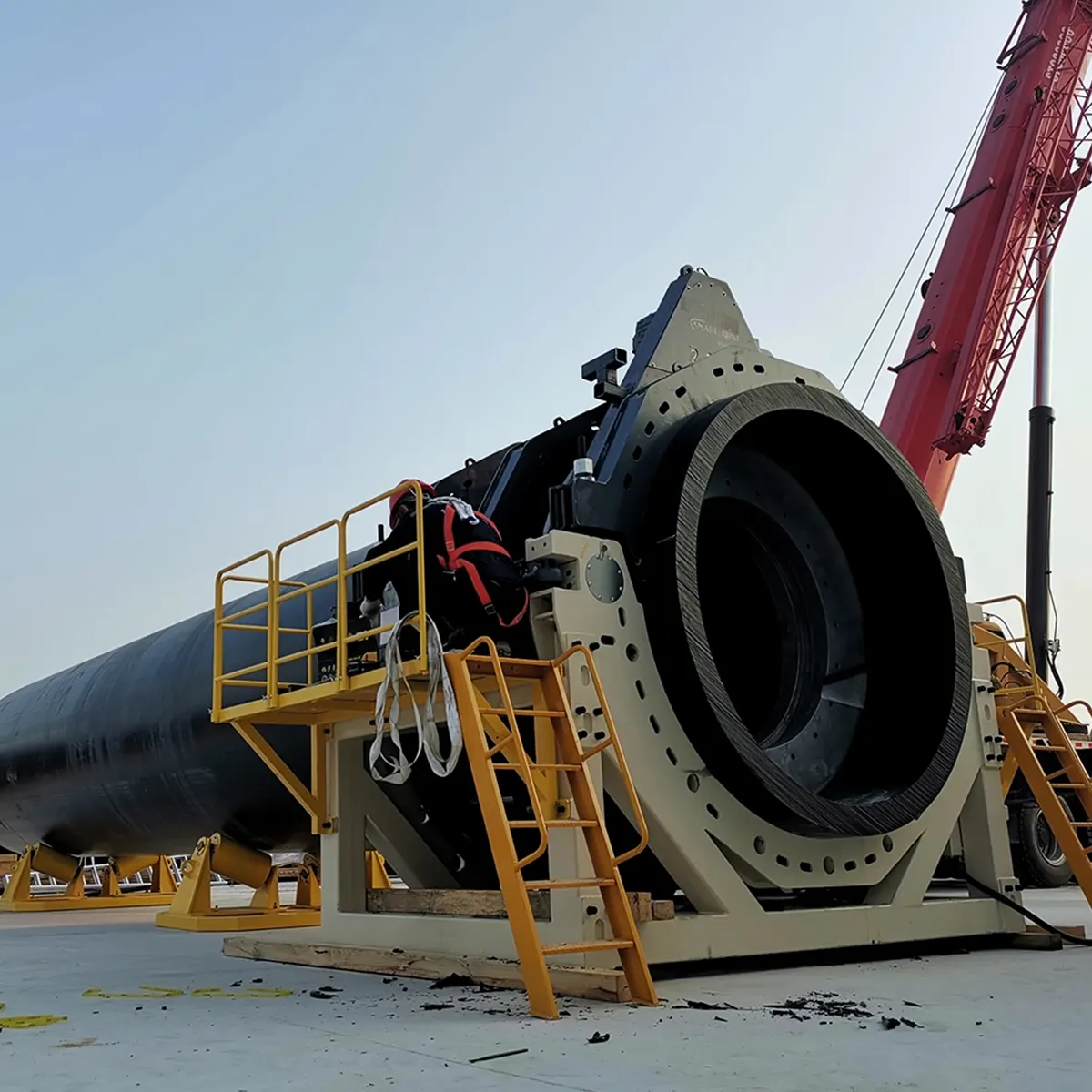
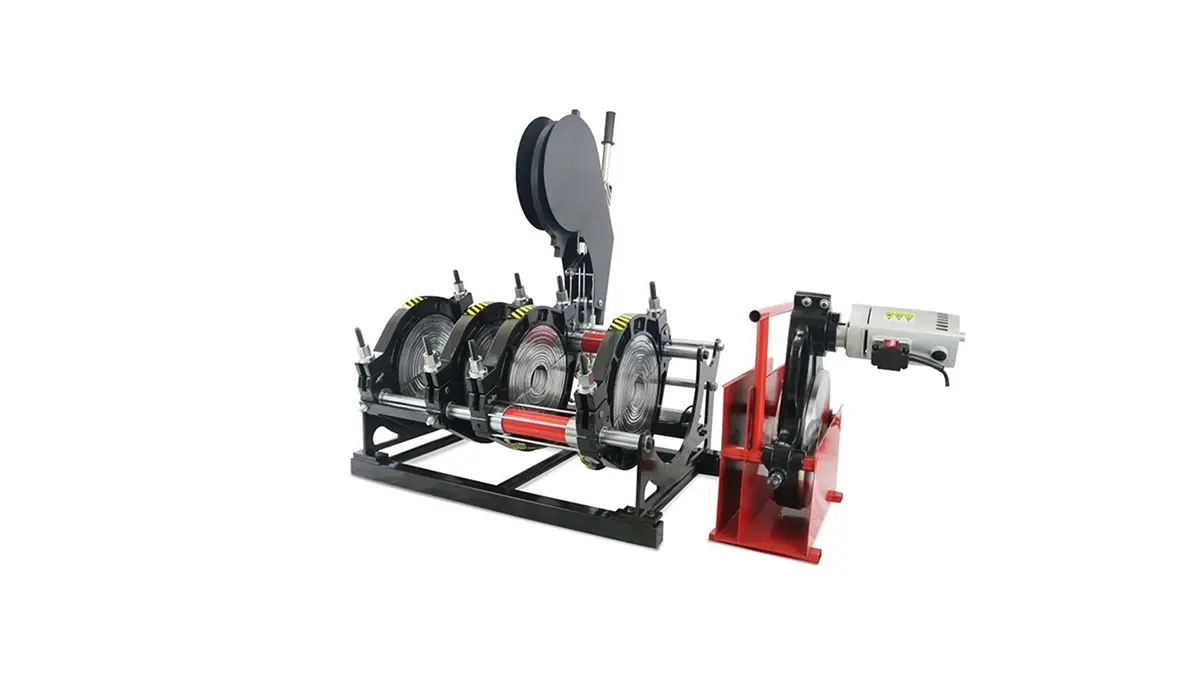
Check the factory’s portfolio: manual, hydraulic and CNC/automatic butt fusion machines. Match machine type and pipe-diameter range to your projects—small municipal jobs need compact manual units, while large pipelines and mining projects benefit from hydraulic or automated systems.
3. Climate and site suitability
Algerian projects often face high temperatures, sand and long transfer distances. Prefer robust frames, sealed electrical components, and machines that tolerate temperature swings. Portability and easy assembly are advantages for remote desert sites.
4. Power, controls and language support
Confirm voltage compatibility (e.g., 380V three-phase common in Algeria) and that control interfaces, manuals and training can be provided in French or Arabic to accelerate operator proficiency.
5. After-sales service, spare parts and training
Fast spare-part delivery and local technical support reduce downtime. Verify turnkey offerings (onsite training, welding procedure documentation, and calibration) to ensure weld quality from day one.
6. References and local experience
Ask for case studies or local references in Algeria or neighboring North African projects. Proven performance on similar projects is a strong indicator of fit.
Quick comparison: Machine types
| Type | Best for | Pros | Cons |
|---|---|---|---|
| Manual | Small repairs, local crews | Low cost, simple maintenance | Slower, operator-dependent |
| Hydraulic | Medium to large pipelines | Stable pressure control, faster | Higher initial cost, heavier |
| CNC / Automatic | High-volume, precision projects | Consistent weld quality, data logging | Most expensive, needs skilled operators |
How to vet a factory before purchase
Request factory documentation: production capacity, quality control procedures, test reports and warranty terms. Ask for photos or videos of assembly and final testing.
Arrange a live demonstration or accept a sample weld test under your team’s supervision. If possible, visit the factory or request a third-party inspection focused on welding frames, heating plates, hydraulic units and electronics.
Confirm delivery lead times and logistics to Algerian ports (Oran, Algiers) and customs clearance experience to avoid costly delays.
Final selection checklist for Algerian buyers
Make sure the chosen factory can:
Provide documentation in French or Arabic, supply spare parts quickly, support onsite commissioning and operator training, and demonstrate experience on similar infrastructure projects in North Africa.
One recommended contact
For a vendor with a wide range of butt fusion machines and global project experience, consider exploring JQ-Fusion: https://jq-fusionwelding.com/
Next steps
Shortlist factories that meet technical, logistical and language needs, request quotations with clear scope (training, spares, warranty), and pilot one or two welds on site before scaling procurement for larger Algerian projects.



