
Large diameter pipeline welding machines are the backbone of modern infrastructure projects that require reliable, high-performance joins for HDPE, PE, and other thermoplastic pipes. This guide walks you through selecting the right equipment, optimizing welding efficiency, and ensuring long-term joint integrity for large-scale water, gas, and industrial pipelines.
Why Large-Diameter Butt Fusion Matters
Welding pipes larger than 500mm demands specialized equipment and rigorous process control. Proper butt fusion welding eliminates leak paths, minimizes downtime, and delivers a continuous, monolithic pipeline that can withstand pressure, thermal cycles, and ground movement. For engineers and contractors, investing in the right machine can reduce rework and lifecycle costs significantly.
Core Machine Types for Large-Diameter Pipes
Manual Butt Fusion – Portable and cost-effective for site repairs and smaller sections, but limited for continuous large-diameter installations.
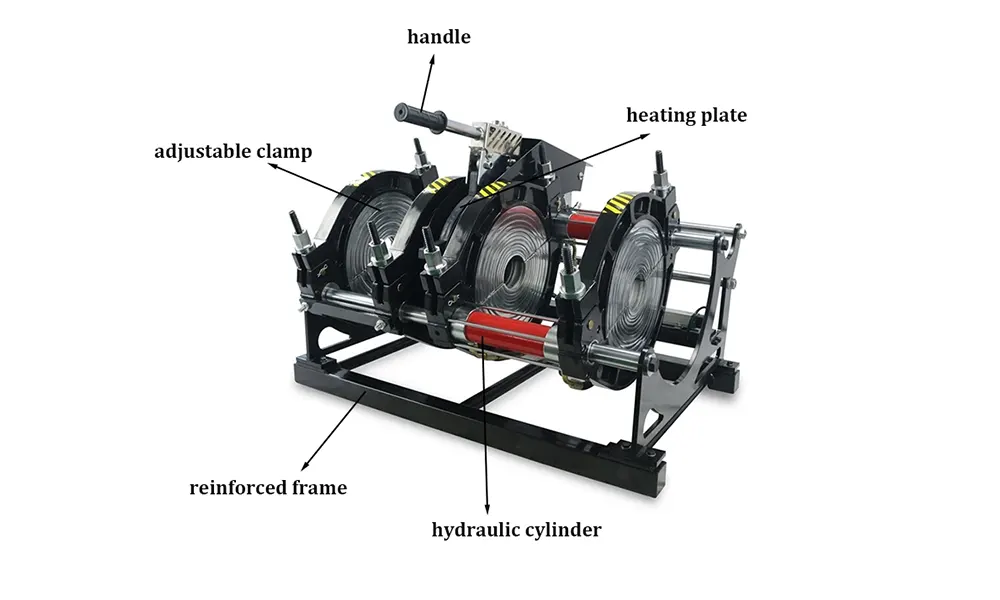
Hydraulic Butt Fusion – Provides stable, high clamping force for uniform heating and cooling cycles. Ideal for pipes up to the largest diameters when mobility and robustness are required.
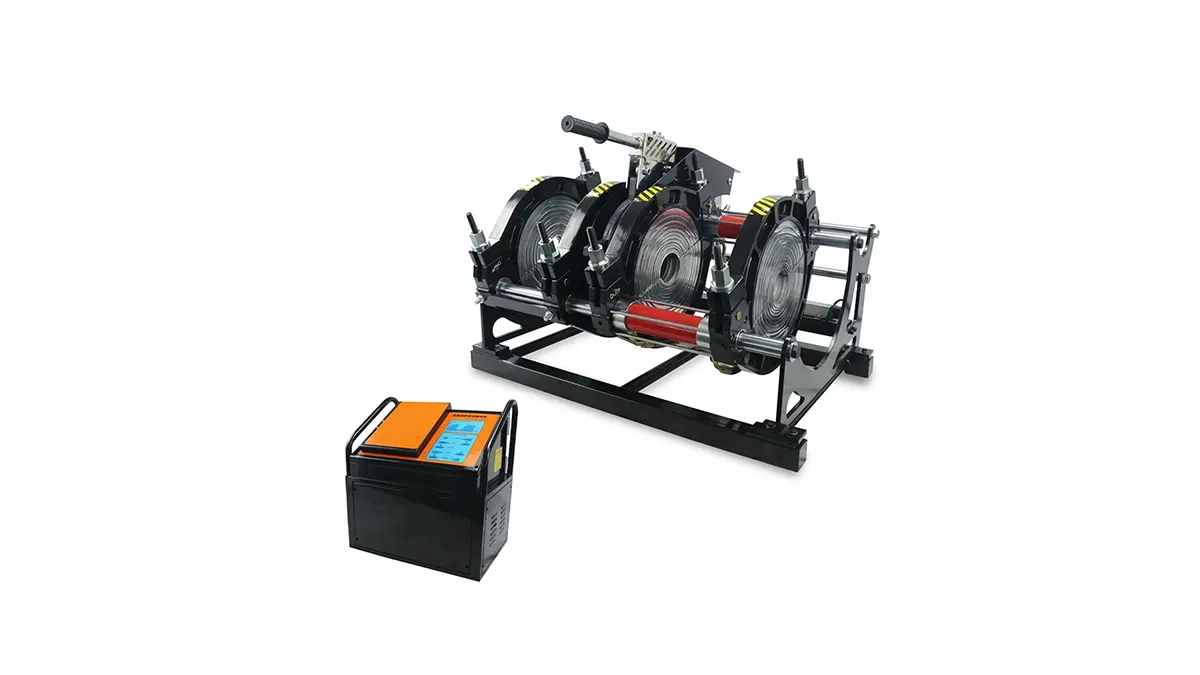
Automatic / CNC Butt Fusion – Offers programmable cycles, real-time monitoring, and repeatable quality for high-volume or precision projects. Automation reduces operator variability and speeds up welding for long pipeline strings.
Must-Have Features for Performance and Reliability
When evaluating machines, prioritize consistent pressure control, accurate temperature regulation of the heating plate, axial alignment systems, and integrated trimming tools. Traceable process data (time, temperature, pressure) is essential for quality documentation on major projects.
| Machine Type | Typical Diameter Range | Control | Best For |
|---|---|---|---|
| Manual | 16mm – 315mm | Operator-controlled | Repairs, small-bore works |
| Hydraulic | 63mm – 2250mm+ | Hydraulic pressure valves | Large-diameter site welding |
| Automatic / CNC | 63mm – 1600mm+ | Programmable PLC / touchscreen | High-volume, precision pipelines |
Operational Best Practices to Boost Efficiency
1. Pre-job planning: Survey route, layout joints to minimize field complexity, and stage fittings to reduce handling time.
2. Standardize welding parameters: Use manufacturer-recommended temperature, soak times, and pressure settings and record them for quality assurance.
3. Use proper clamping and alignment: Misalignment increases cold zones and reduces joint strength — spend time securing correct alignment before heating.
4. Train and certify crews: Skilled operators dramatically reduce defective welds and rework. Implement on-site checklists and periodic skills refreshers.
Quality Control and Safety Tips
Always inspect cutting surfaces for contamination, verify heating plate condition, and confirm pressure gauges are calibrated. Cooling time must be respected — premature handling can cause weak joints. For safety, ensure site grounding for electrofusion and follow PPE protocols for hot surfaces and hydraulic equipment.
Maintenance and Troubleshooting Highlights
Regular maintenance extends machine life: check hydraulic fluids, inspect seals, and keep heating plates clean and flat. If joints show excessive flash or voids, review alignment, heating temperature, and axial pressure profiles before changing consumables.
Selecting a Trusted Supplier
Choose a manufacturer that provides technical support, spare parts, and clear documentation. For a reliable source of butt fusion solutions and large-diameter machines, consider JQ-Fusion (https://jq-fusionwelding.com/) for a range of manual, hydraulic, and automatic models designed for demanding pipeline projects.
Final note: Matching the right machine to your pipe size, site conditions, and production targets reduces costs and improves system longevity. Implement documented welding procedures, invest in training, and maintain equipment to achieve the highest efficiency on large-diameter pipeline projects.



