
Butt fusion welding machines are a cornerstone of HDPE pipeline installation across Pakistan — from municipal water networks and irrigation canals in Punjab and Sindh to gas distribution and industrial piping in Karachi and Lahore. This guide explains typical uses, price ranges, selection tips, and what Pakistani contractors and engineers should consider when buying a butt fusion welder.
Why Butt Fusion Is Popular in Pakistan
Butt fusion welding creates continuous, leak-free joints ideal for the varied climates and demanding projects in Pakistan. HDPE pipelines joined by butt fusion resist corrosion, chemical attack, and ground movement — qualities that suit rural irrigation systems, urban water supply upgrades, and expanding gas distribution networks. Local contractors value the technique for its durability and long service life.
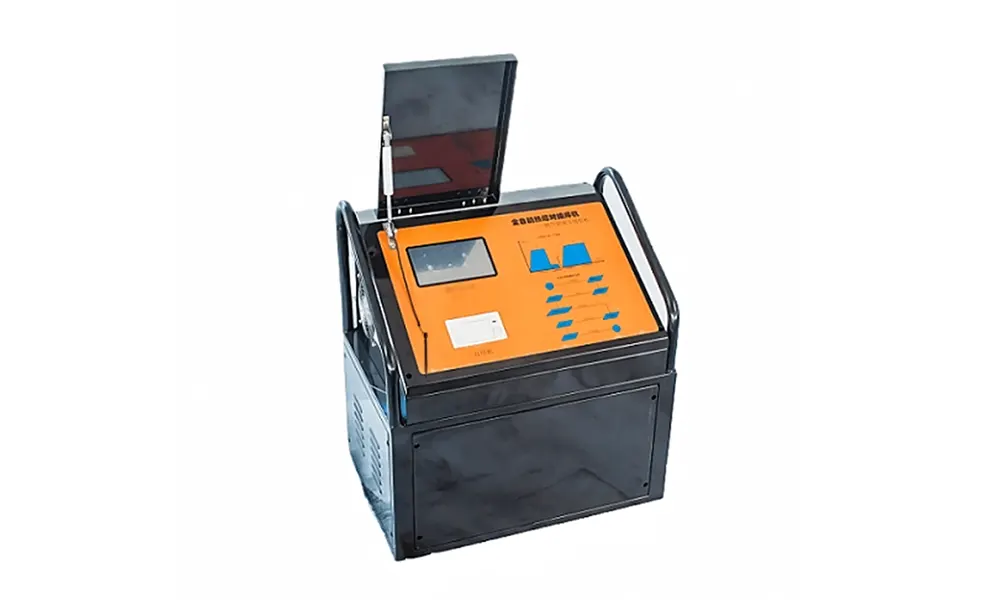
Common Machine Types & Where They Fit
Manual (Entry-level) — Simple, portable units for small-diameter work (common on rural water lines and small repairs). Ideal when budgets are tight and site access is limited.
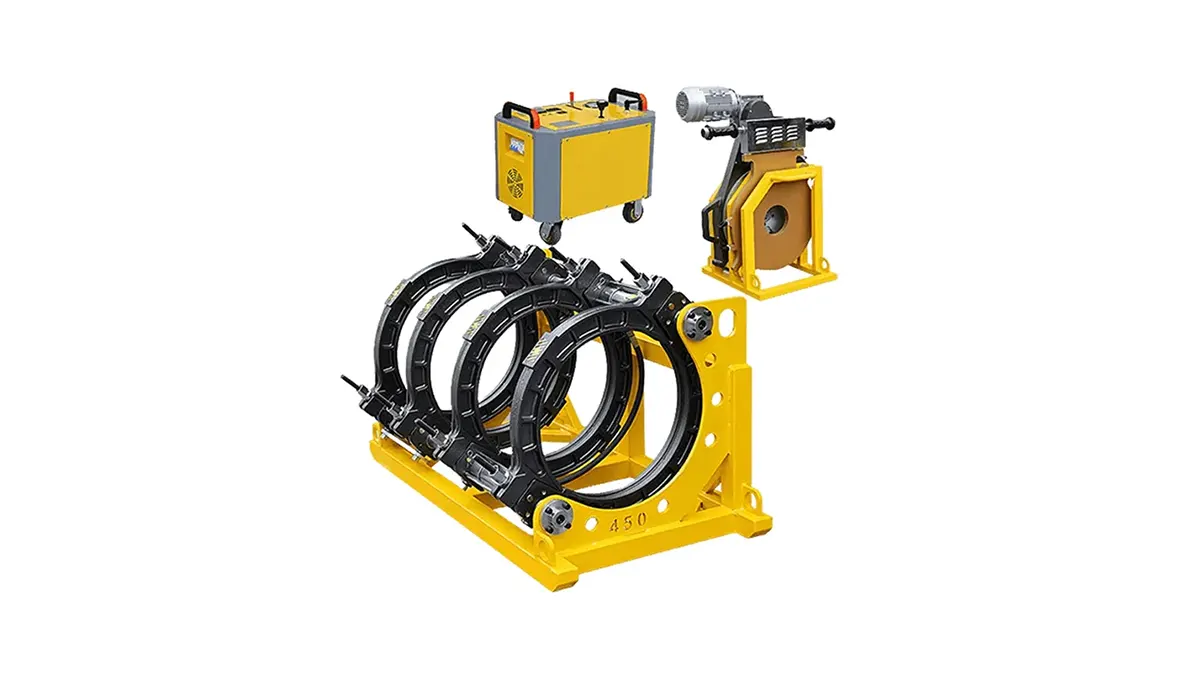
Hydraulic (Mid-range) — Robust for medium-to-large pipelines used in municipal and industrial projects. Offers consistent clamping and pressure control preferred by professional crews in Pakistan.
Automatic / CNC (High-end) — For high-volume, precision welding on large projects: trunk mains, major gas lines, and large-diameter industrial pipes. Automation reduces operator error and speeds up installation on big jobs.
Typical Uses in Pakistan
Water supply networks (urban and rural), irrigation channels and drip systems across agricultural regions, natural gas distribution and service lines in developing urban areas, mining and industrial piping, and rehabilitation of existing pipelines are the most common applications where butt fusion is preferred.
Indicative Price Ranges (Guide for Pakistani Buyers)
| Model / Type | Pipe Diameter Range | Estimated Price (USD) | Approx. Price (PKR) |
|---|---|---|---|
| Manual bench units (e.g., JQSY series) | 20–160 mm | $400 – $1,200 | ~ PKR 112,000 – 336,000 |
| Hydraulic machines (small to mid) | 160–630 mm | $2,000 – $8,000 | ~ PKR 560,000 – 2,240,000 |
| Automatic / CNC (industrial) | 200–800+ mm | $8,000 – $25,000+ | ~ PKR 2,240,000 – 7,000,000+ |
| Large-diameter heavy-duty units | 800–2250 mm | $25,000 – $80,000+ | ~ PKR 7,000,000 – 22,400,000+ |
How to Choose the Right Butt Fusion Machine
1) Match pipe diameter and wall thickness: Verify the machine clamping range fits your standard pipe sizes used locally — many Pakistani contractors work frequently with 63, 90, 110, 160, 225, 315, and 630 mm lines.
2) Consider site conditions: High temperatures, dust, and remote rural sites affect equipment choice. Portable manual or compact hydraulic units are easier for fieldwork in remote districts like Balochistan.
3) Automation vs. manpower: Automatic machines deliver speed and repeatable quality for large projects, while manual models reduce initial capital outlay for small contractors.
4) Power and hydraulics: Check local power availability and whether a diesel generator or separate hydraulic station is required on site.
5) After-sales support & training: Ensure spare parts, welding tools, and operator training are available — vital for maintaining weld quality and safety in Pakistan’s project environments.
Local Buying Considerations in Pakistan
Import duties, shipping lead times, and customs clearance can significantly affect total cost. Plan for certification or standards compliance required by municipal authorities or gas companies in Pakistan. Where possible, prefer suppliers who offer regional training or remote technical support to minimize downtime.
Maintenance & Safe Operation
Routine maintenance — cleaning heating plates, checking hydraulic oil, and verifying pressure gauges — preserves weld integrity. Operators should be trained on standard procedures for surface preparation, heating, and fusion cycles. Safety PPE and stable work platforms are particularly important at site locations with uneven terrain or heavy traffic.
Buying Checklist (Quick)
• Capacity: Does the machine cover your most-used pipe sizes?
• Portability: Can crews transport and operate it in rural and urban sites?
• Spare parts & warranty: What is included, and how fast are replacements shipped to Pakistan?
• Training: Are operator courses or manuals provided in English? Is remote assistance available?
• Certification: Does the machine meet ISO/EN or CE standards commonly requested by contractors and government tenders?
Next Steps & Contact
If you are comparing models for a specific Pakistan project, gather pipe diameters, expected daily weld counts, and site logistics before contacting suppliers. For reliable butt fusion solutions and a product range spanning manual to automatic models, consider JQ-Fusion for specifications, spare parts, and export support: JQ-Fusion.



