
Electrofusion welding for HDPE pipes is a reliable, efficient solution for pipeline installation and repair across Ecuador — from coastal irrigation networks to highland municipal water systems and Amazon oil & gas projects. This guide explains how HDPE electrofusion welding machines work, why they suit Ecuadorian conditions, what buyers should consider, and recommended machine options to match common applications.
How HDPE Electrofusion Welding Works
Electrofusion uses specialty fittings with embedded heating elements. When a controlled electric current passes through the fitting, the heating coils melt the inside of the fitting and the outside of the pipe, forming a homogeneous, pressure-rated joint once cooled. The process delivers clean, repeatable results with minimal excavation—ideal for urban streets, tight trenches, and repair work in remote areas.
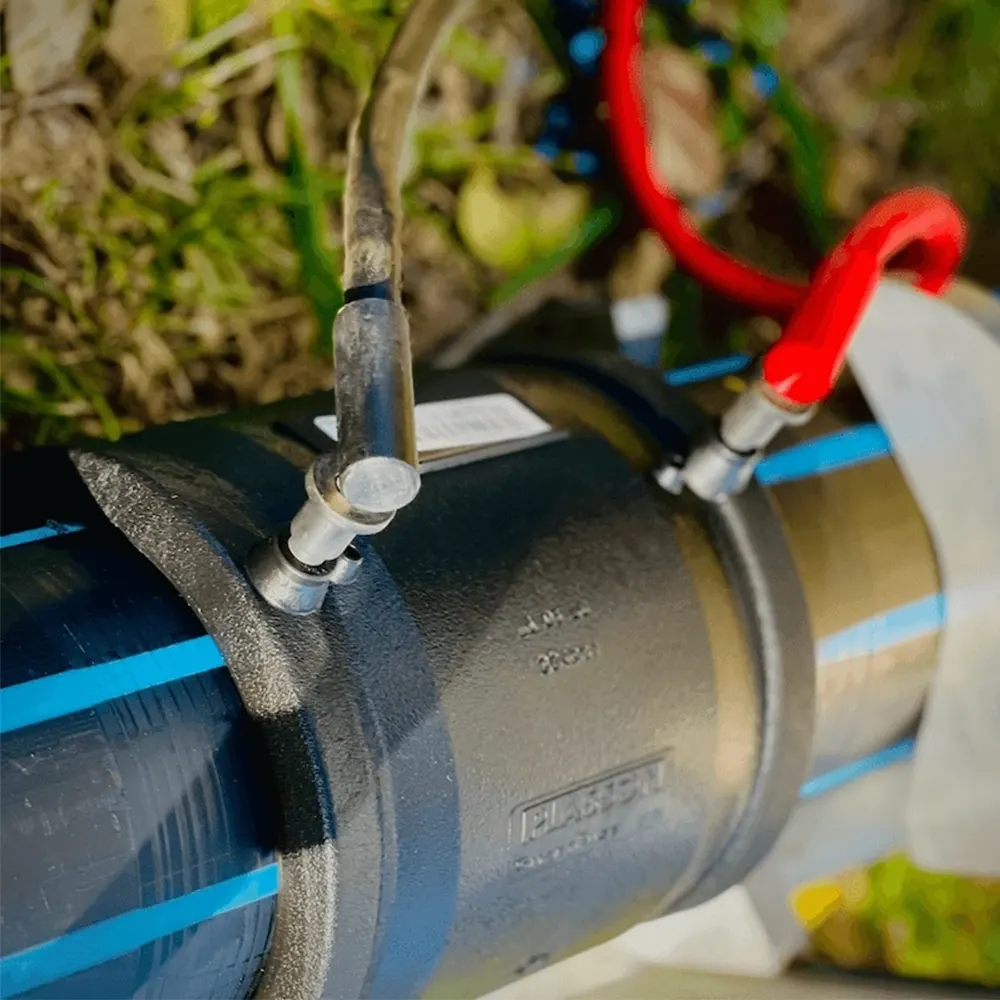
Why Electrofusion Is a Smart Choice in Ecuador
Ecuador presents diverse environments: coastal humidity and salt air, highland temperature swings, and jungle humidity and remoteness. Electrofusion offers several advantages for these conditions:
- Durability: Joints formed by electrofusion are corrosion-resistant and handle pressure variations well—critical for municipal water and irrigation systems.
- Minimal site disruption: Ideal for Quito and Guayaquil urban projects where traffic disruption is costly.
- Portable options: Lightweight electrofusion units work well for remote Amazon basin pipeline maintenance and oilfield tie-ins.
- Quality control: Modern machines log welding parameters, supporting regulatory compliance and contractor QA processes.
Typical Ecuadorian Applications
– Urban water distribution and potable networks in cities and towns.
– Agricultural irrigation systems across coastal valleys.
– Gas distribution and service lines in growing residential areas.
– Small-diameter repairs and connections in oil & gas gathering networks in Oriente regions.
Key Features to Look for When Buying in Ecuador
When selecting an electrofusion welding machine, focus on features that match local conditions and project types:
Power and Portability
Confirm machine compatibility with Ecuador’s local power supply and the availability of on-site generators. For fieldwork in remote areas, choose battery-assisted or lightweight portable machines.
User Interface & Data Logging
Modern units with clear displays and welding logs make compliance and traceability easier for municipal projects and large contractors. Automatic parameter control ensures consistent welds even with less experienced operators.
Durability & Serviceability
Look for sealed controls and corrosion-resistant housings to withstand coastal humidity. Consider local service options, spare parts lead time, and training availability to minimize downtime.

Comparison Table: Recommended Electrofusion Models
| Model | Pipe Range (mm) | Power / Portability | Best For |
|---|---|---|---|
| JQEA Electrofusion Machine | 20–160 | Mains / Portable | Service connections, urban repairs |
| JQEB Electrofusion Unit | 50–315 | High-power, trolley | Medium distribution mains, contractor use |
| Industrial Electrofusion Controller | >315 (with adapters) | Generator-compatible | Large-diameter ties, oil & gas fieldwork |
Buying Checklist for Ecuadorian Buyers
Before you buy:
- Confirm pipe sizes and fitting types used locally (metric OD and SDR ratings).
- Check machine voltage and whether a converter or generator is needed on-site.
- Verify availability of certified fittings and training for local welders.
- Ask about data logging, exportable reports, and language options on the interface.
- Confirm warranty terms, spare parts lead times, and regional support network.
Installation & Training Tips
Plan short hands-on training sessions for welders to master surface preparation, alignment, and correct application of electrofusion programs. Proper pipe cleaning and scrapping are essential to achieve leak-free joints.
Final Recommendation
For reliable supply and a wide range of HDPE welding equipment options, consider contacting JQ-Fusion for model selection, technical support, and shipping details suitable for projects across Ecuador: urban, agricultural, and industrial.



